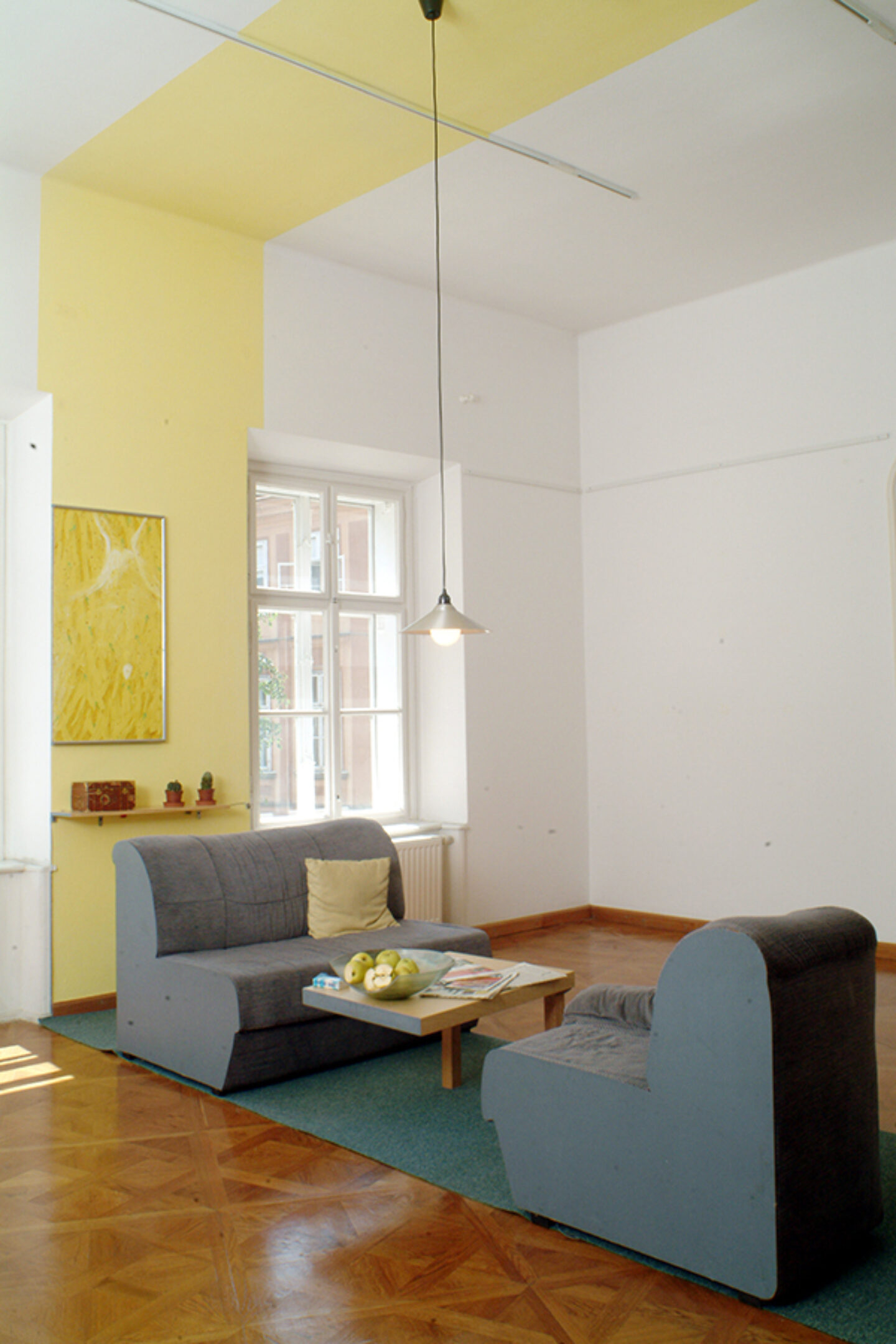
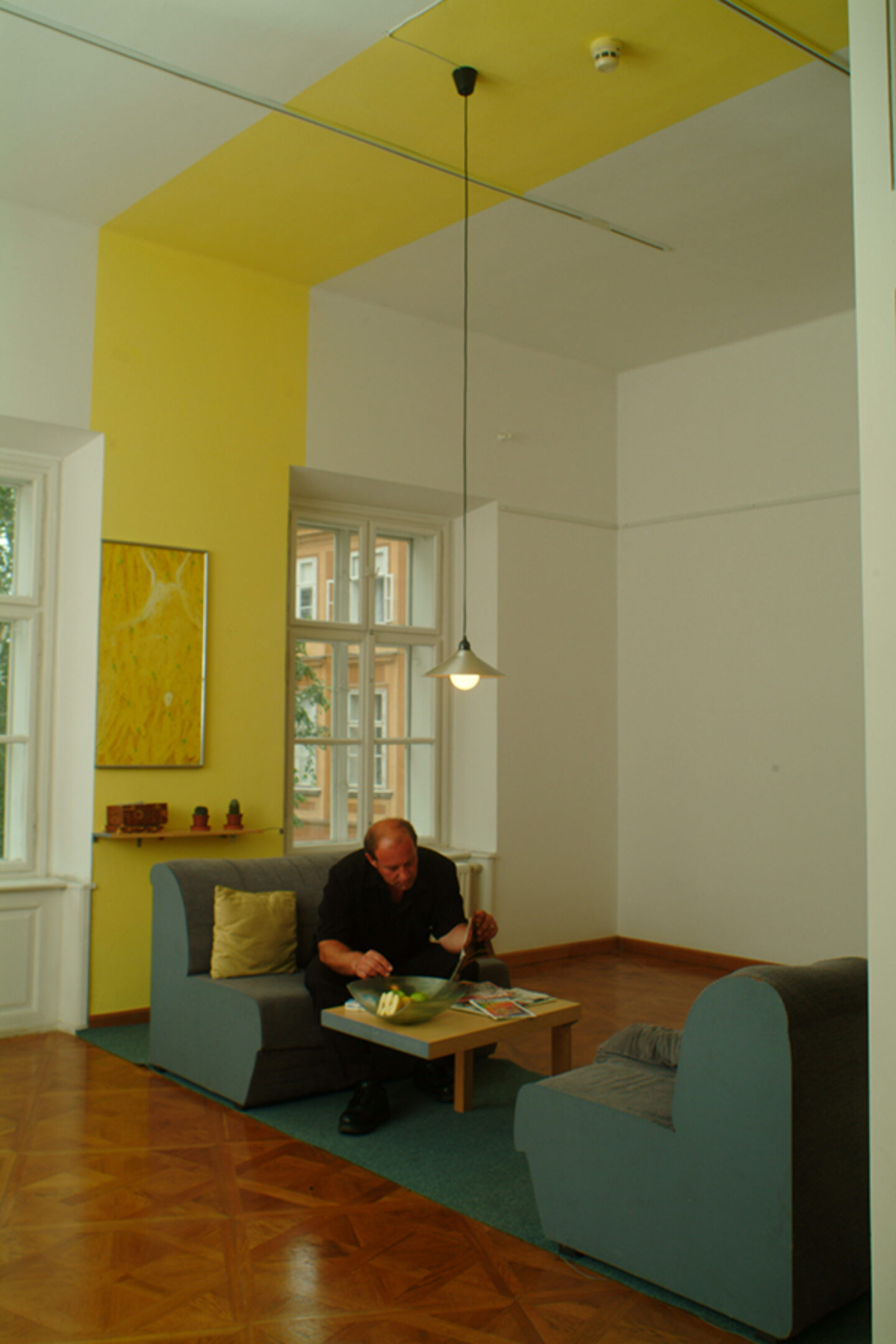
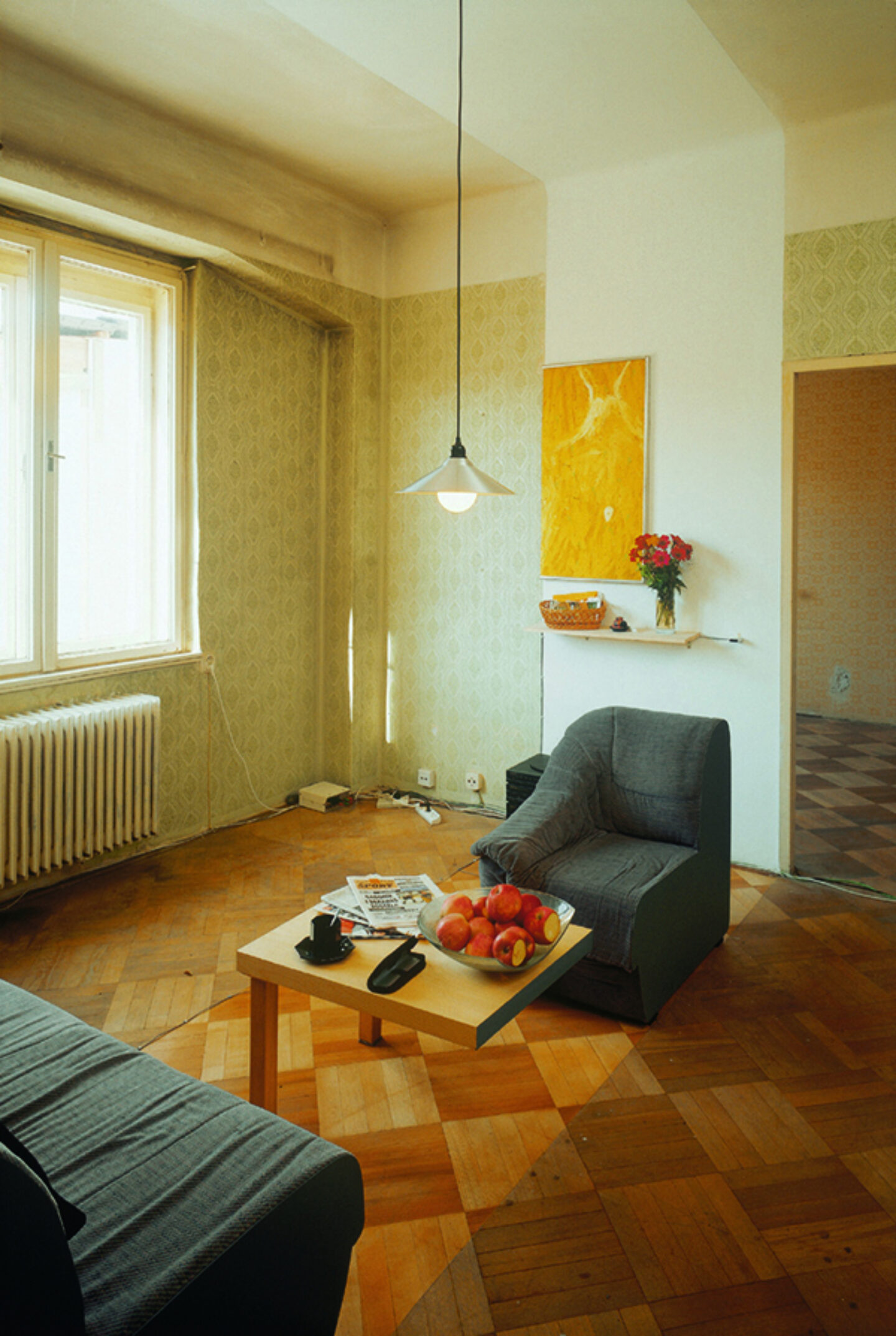
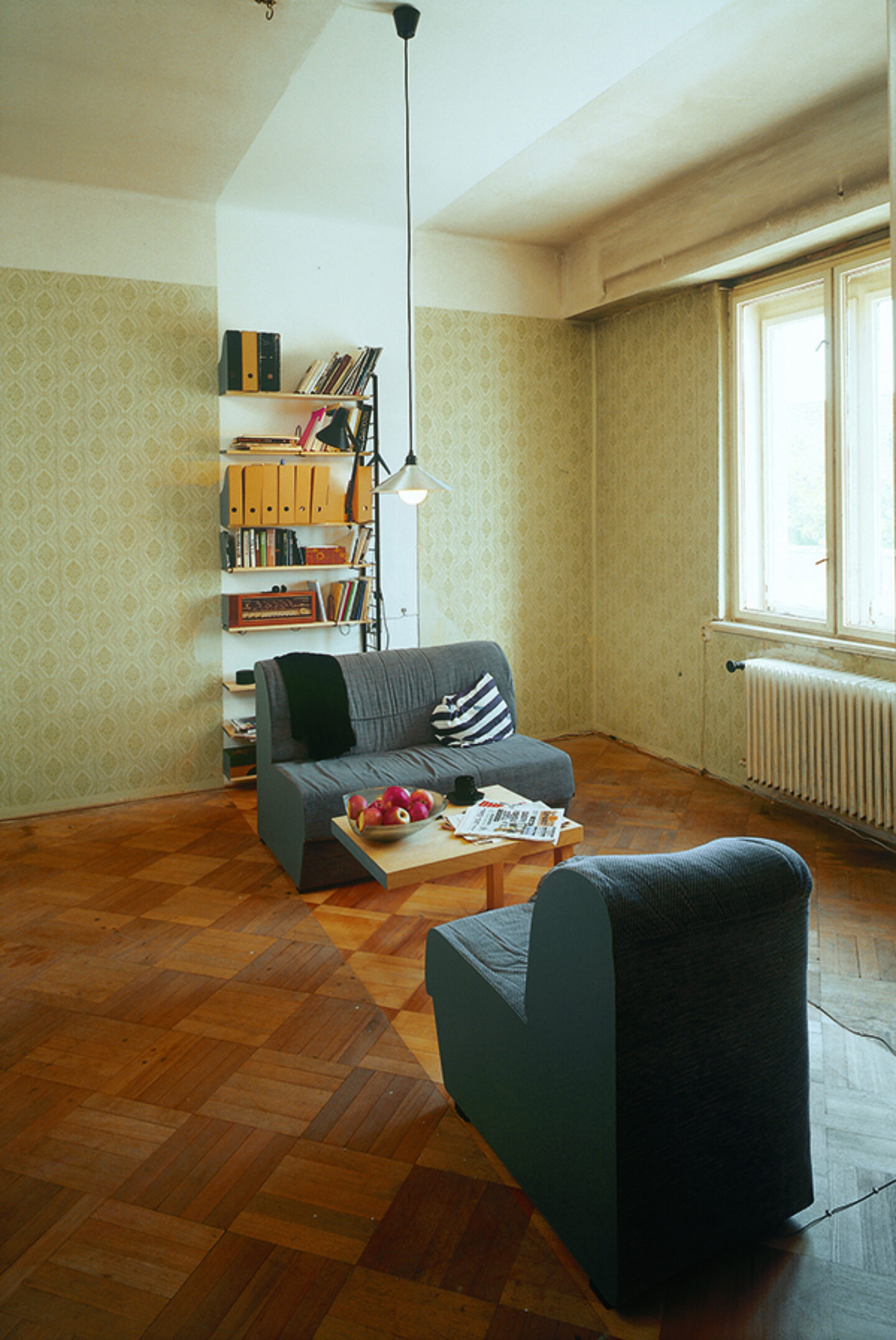
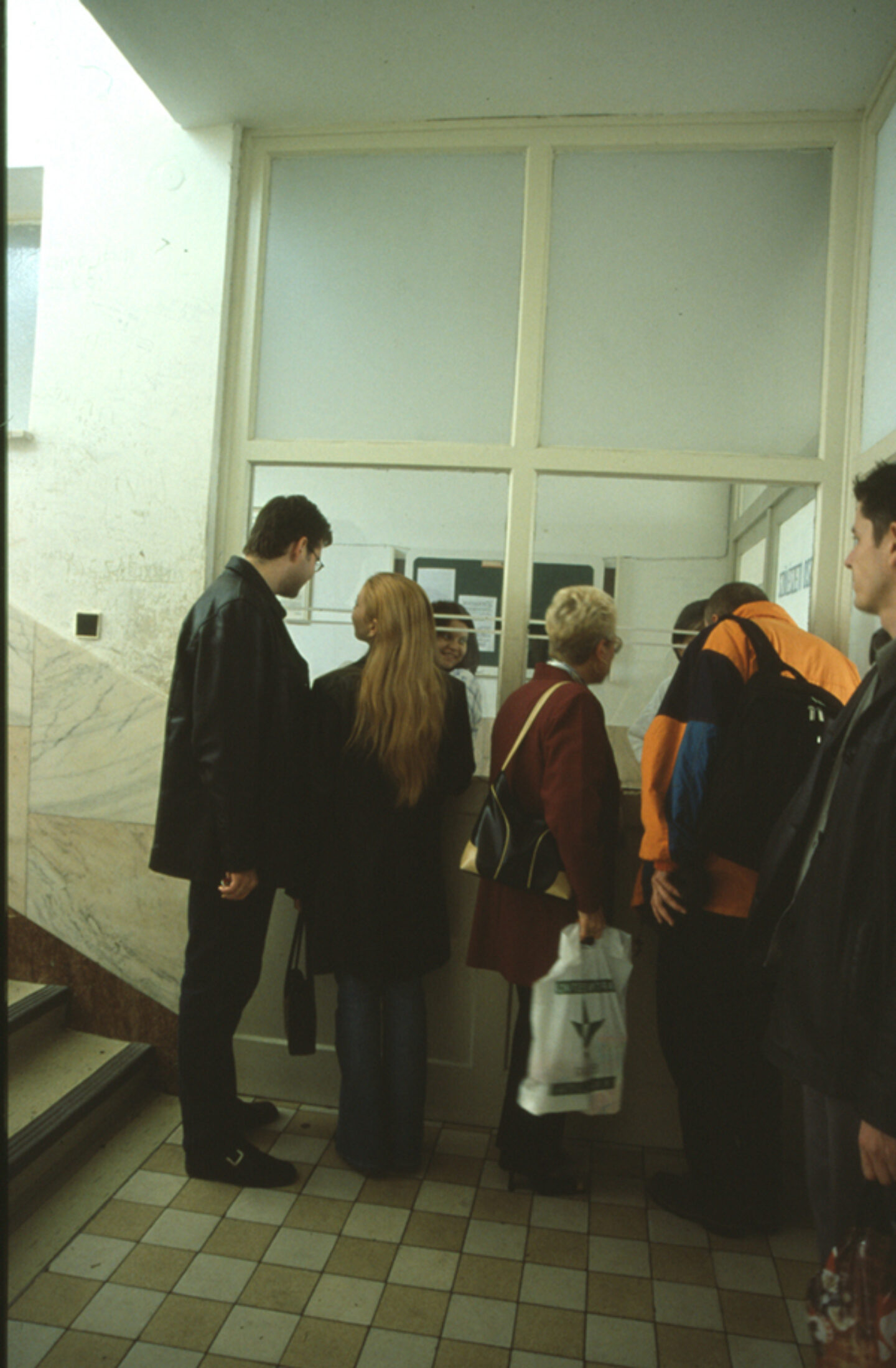
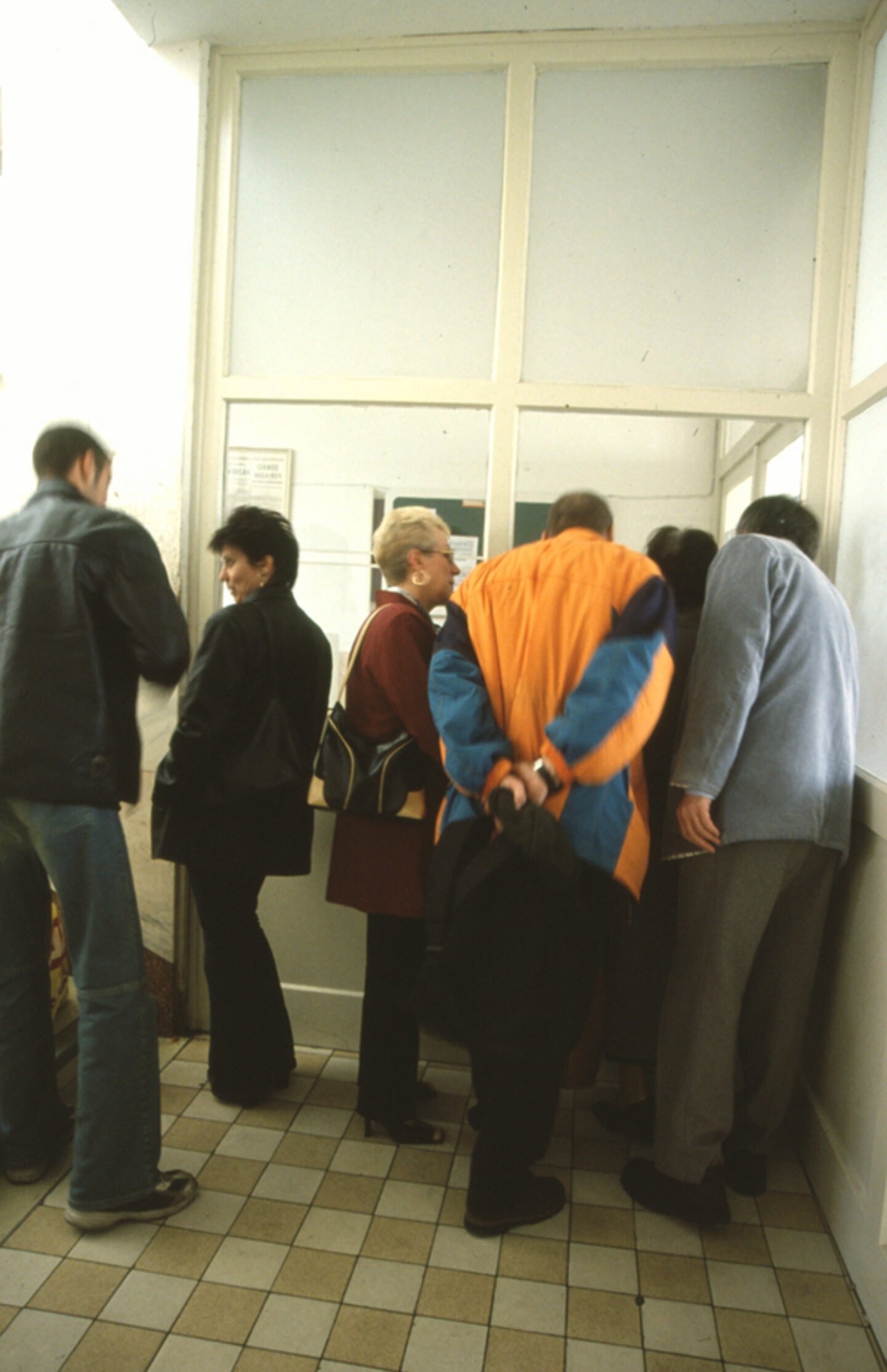
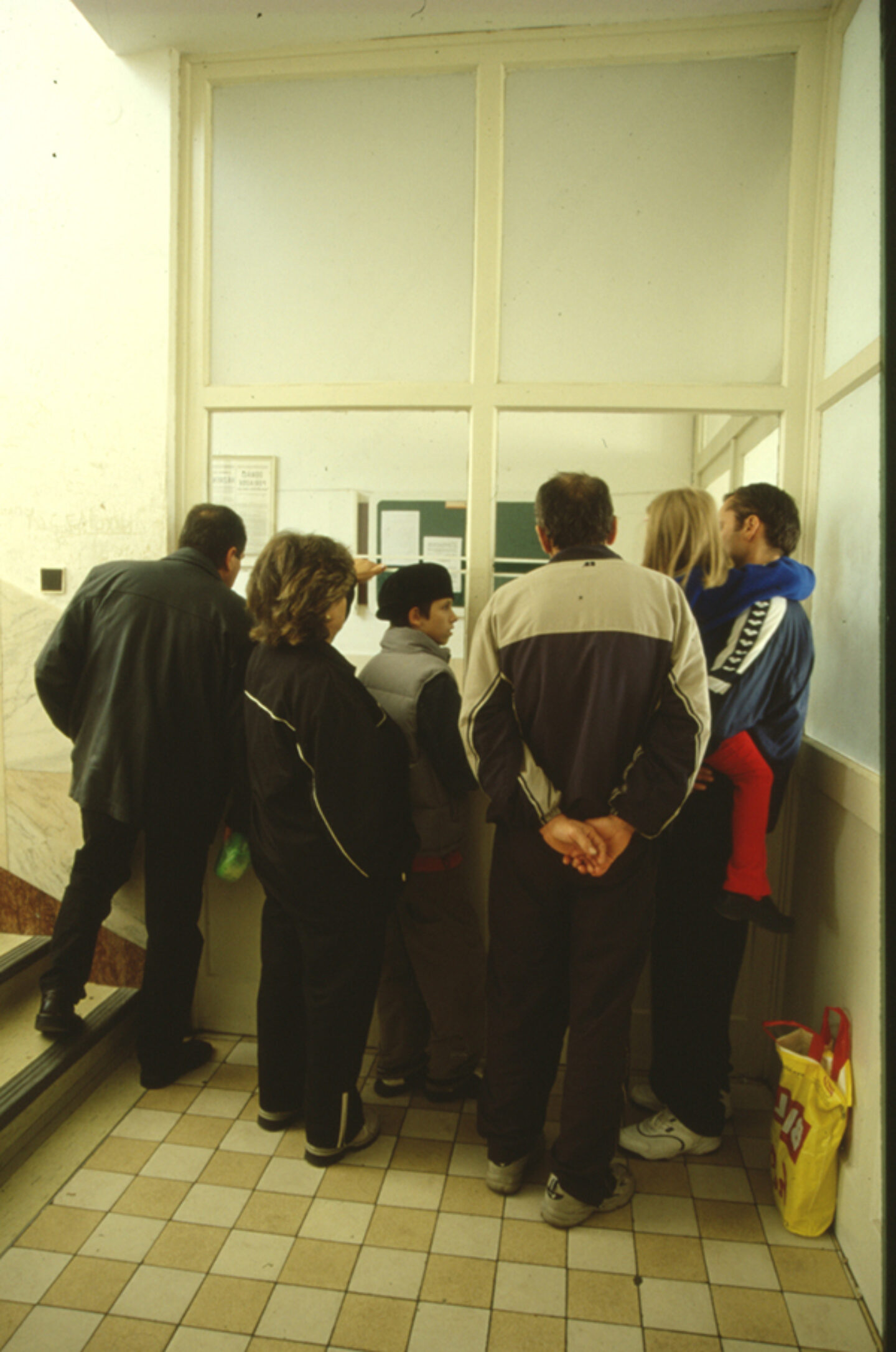
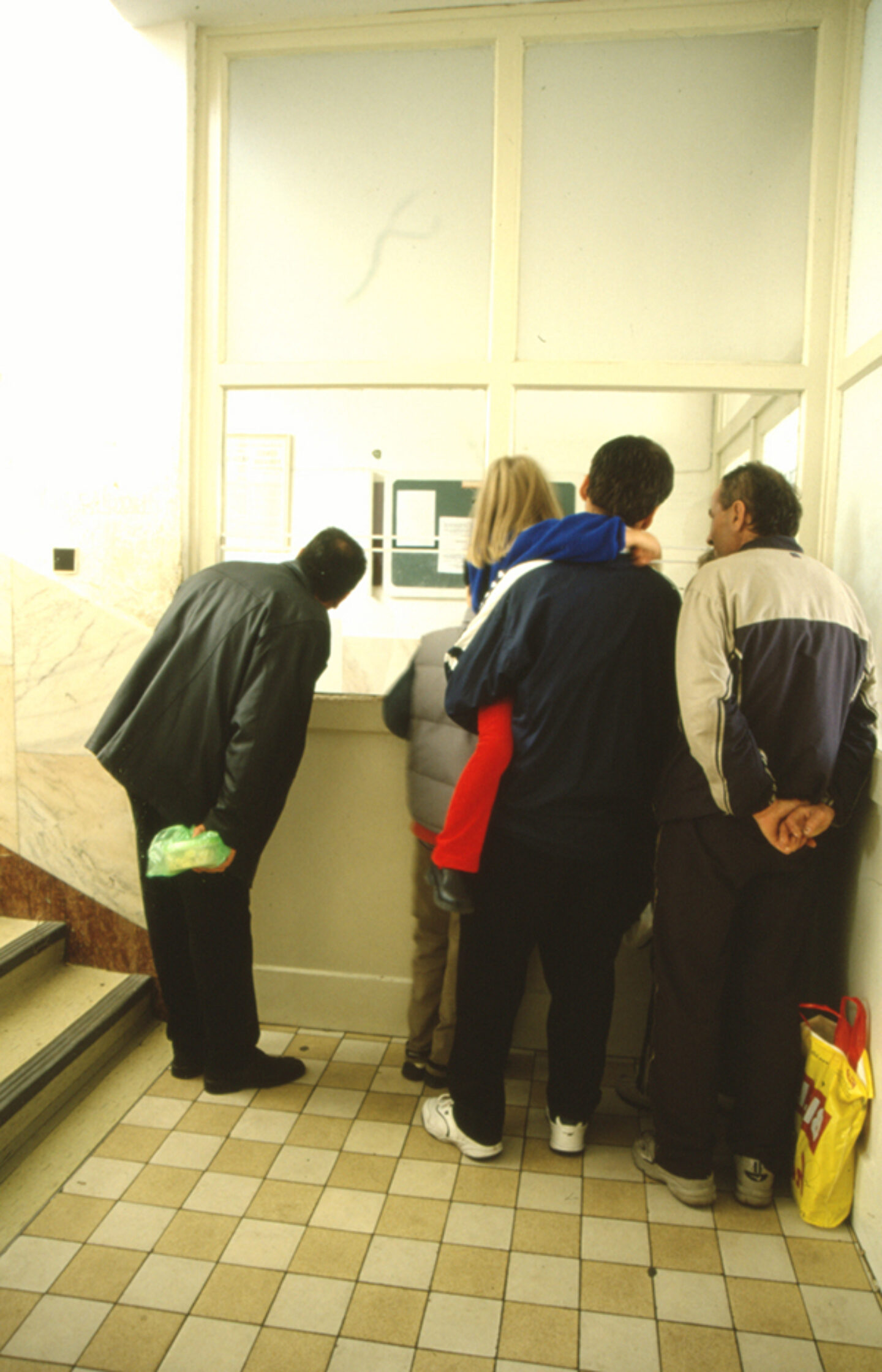
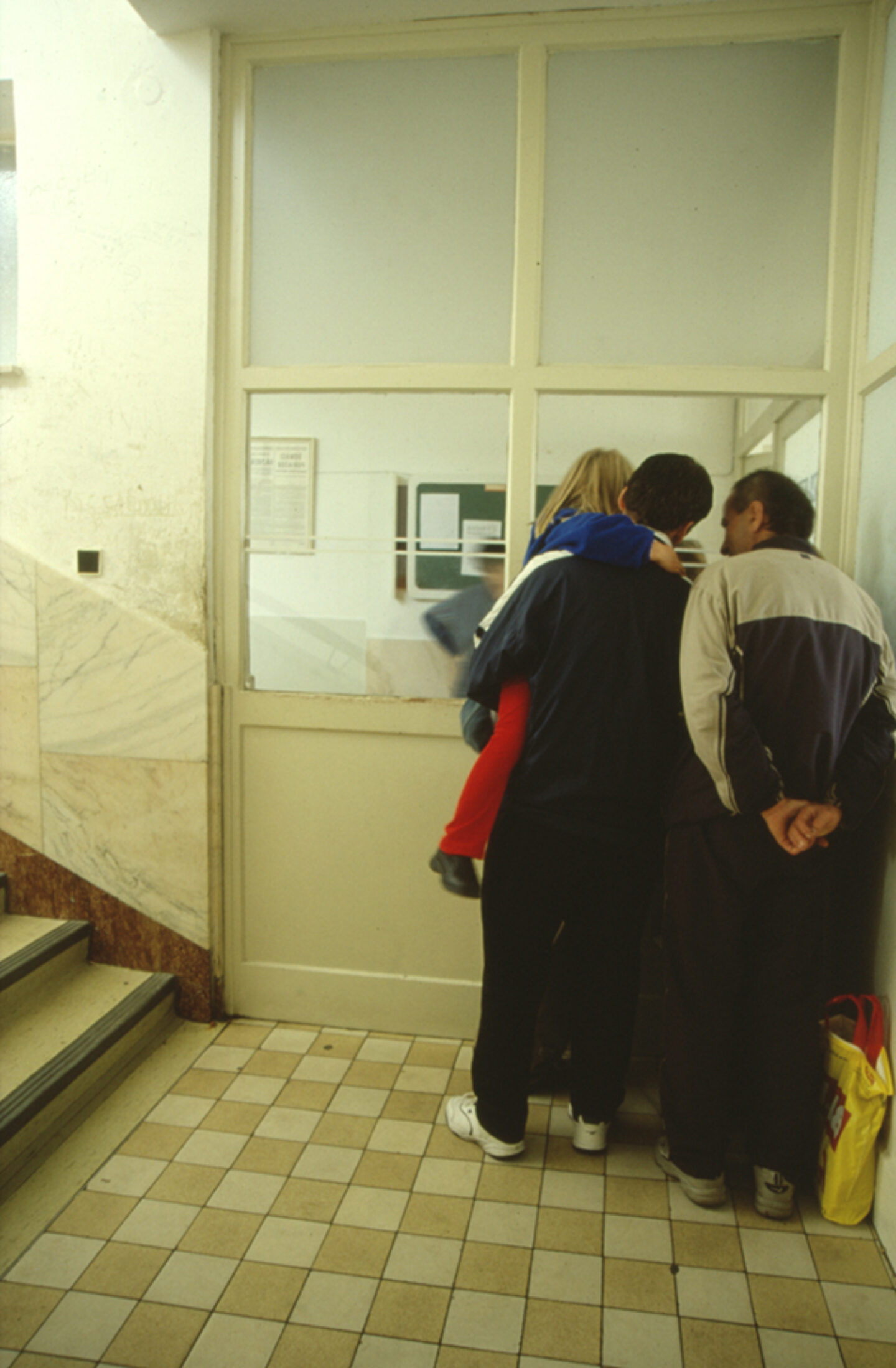
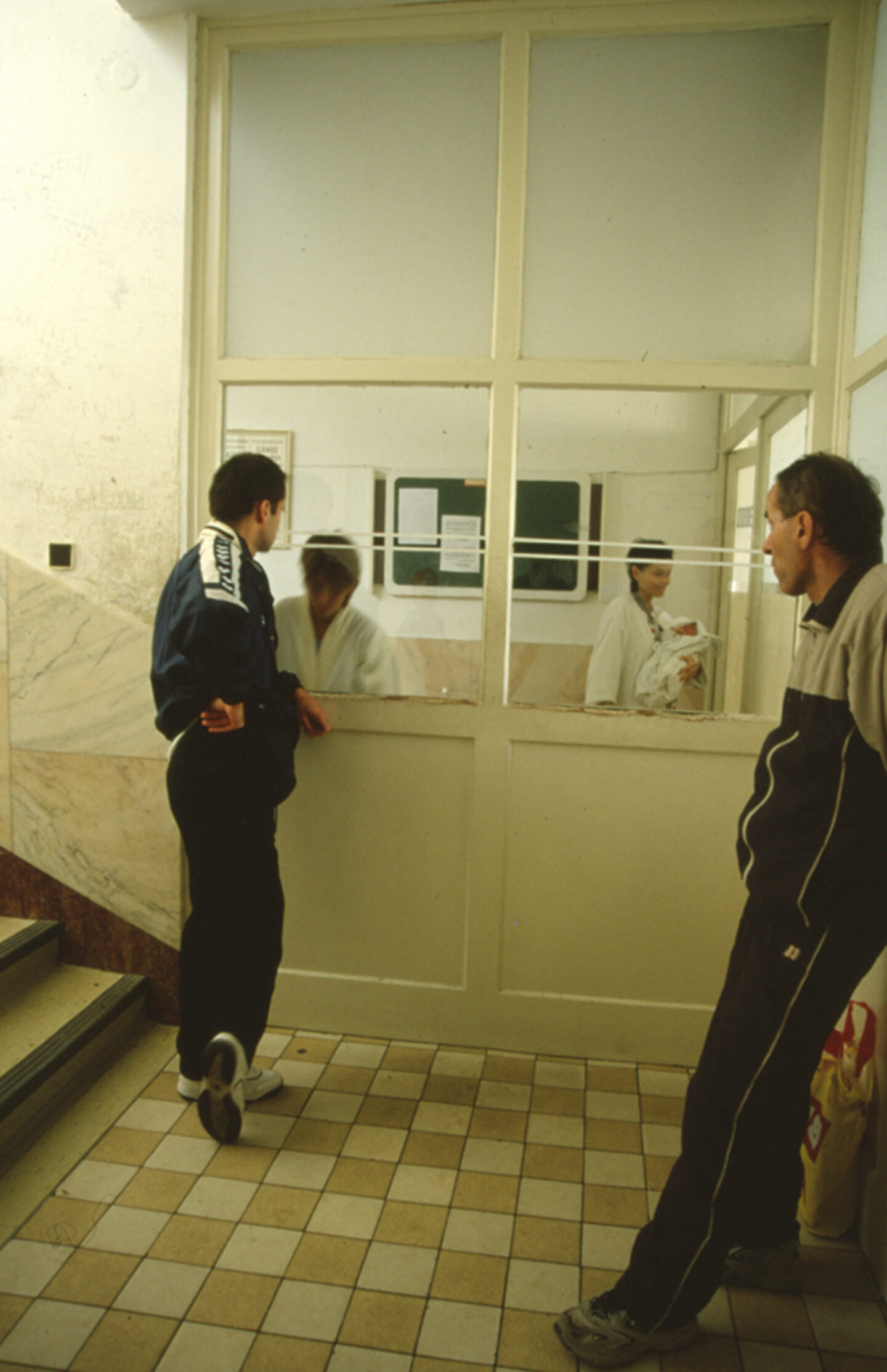
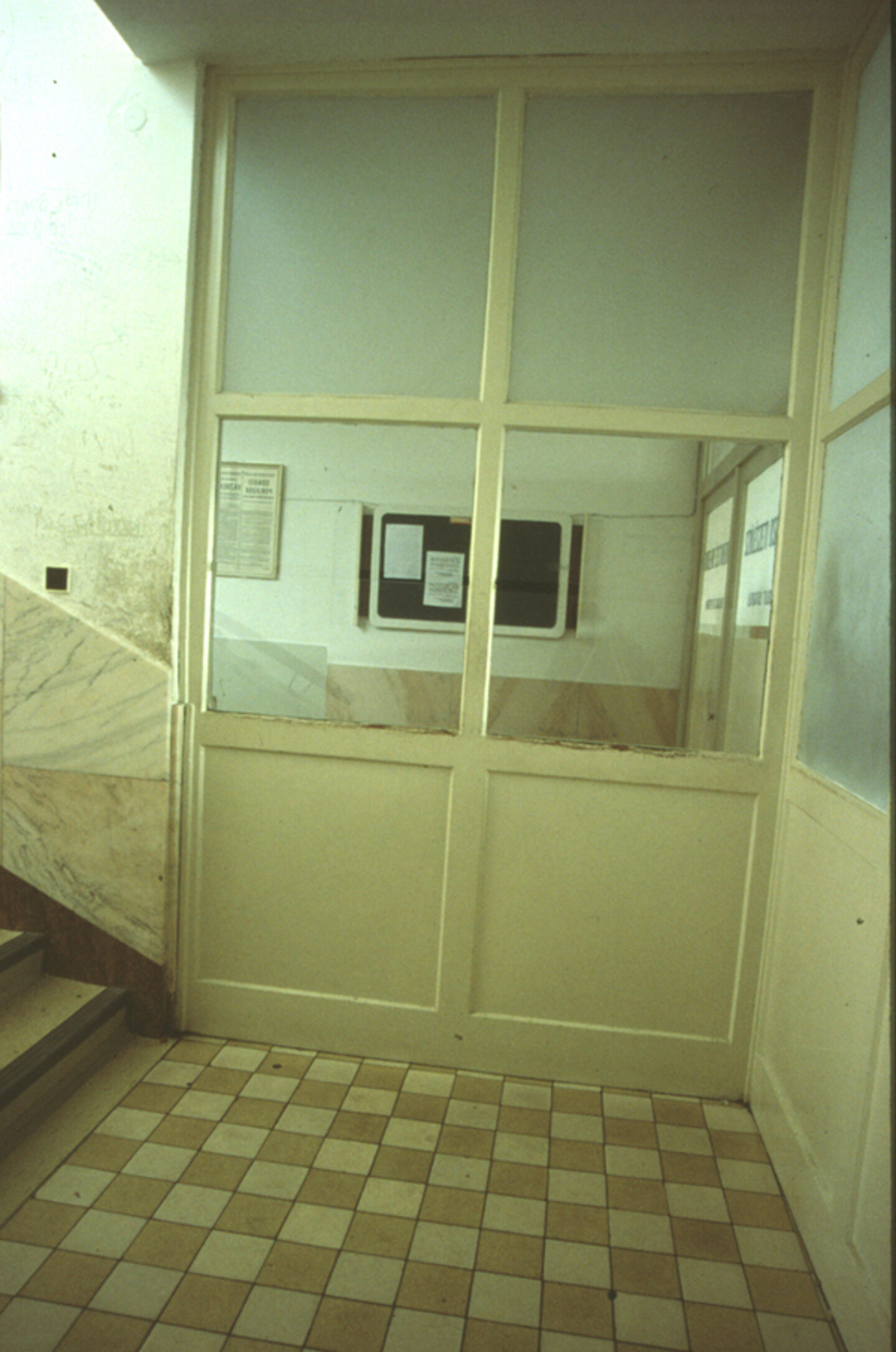
Part

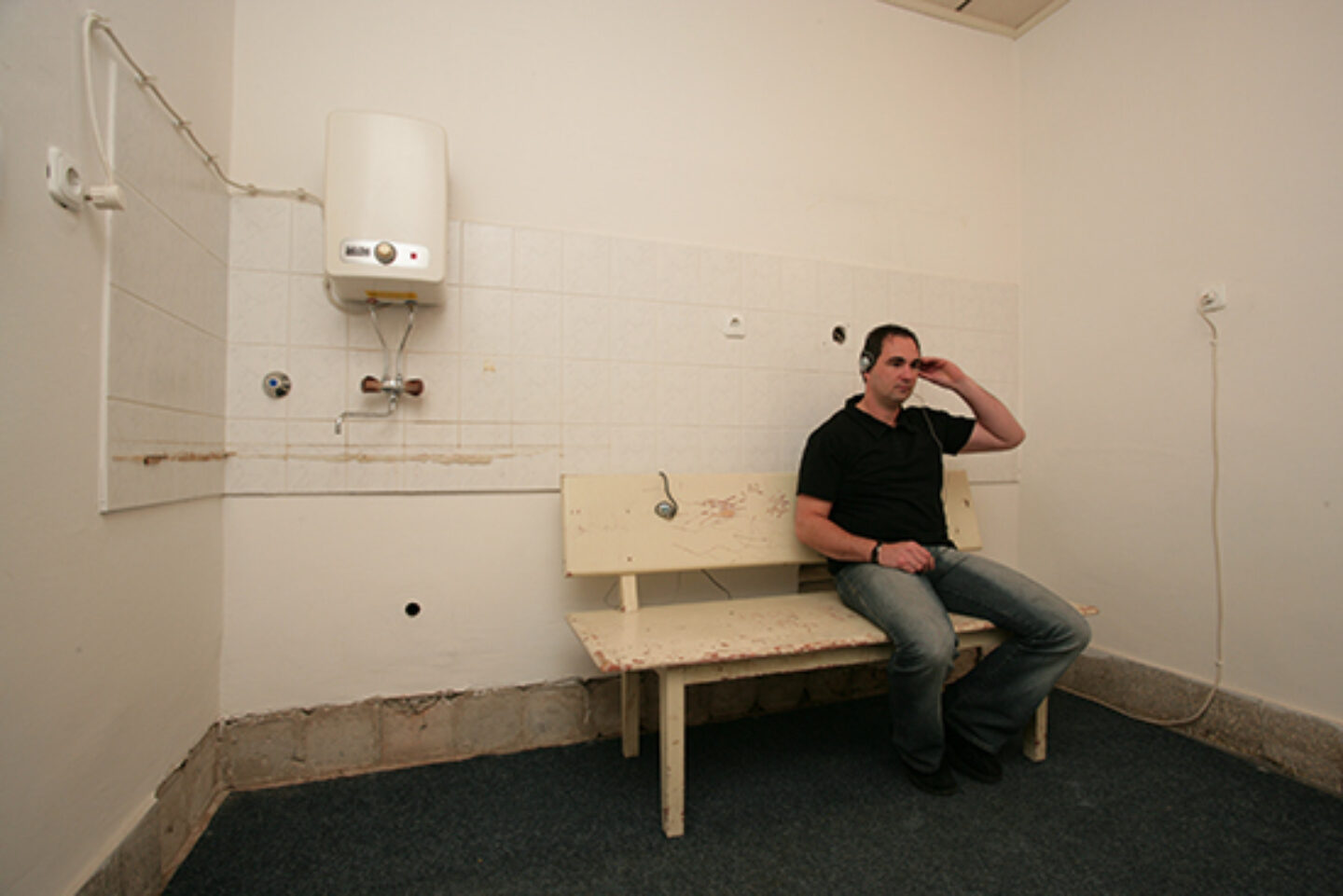
Part, 2000
Interactive sound installation

300 x 120 x 500 cm
Furniture, various objects, sensors
Photos by Martin Marenčin

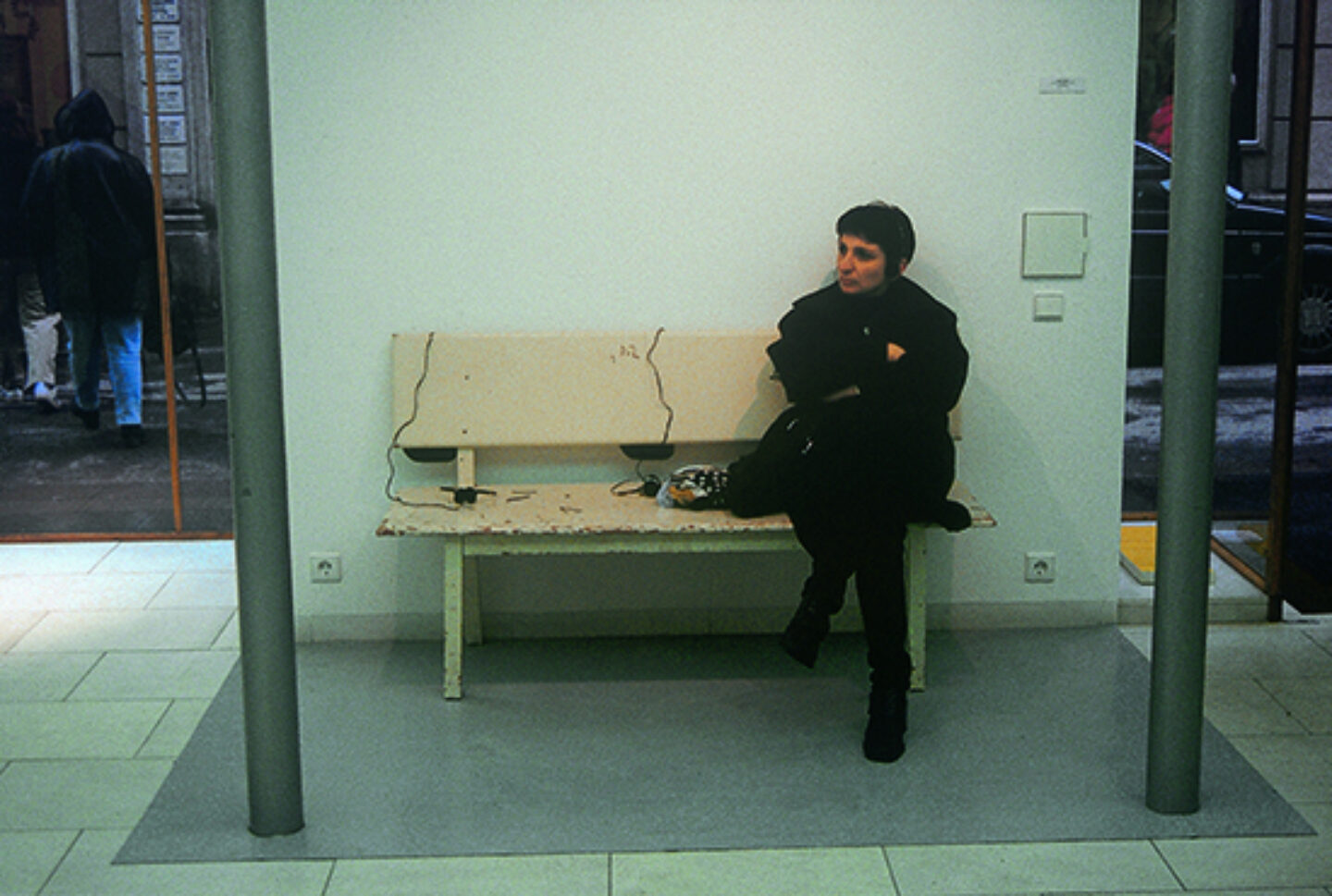
The Bench

The Bench, 2000
Sound installation

Bench, linoleum
Photos by Marián Ravasz, Lajos Kalmár

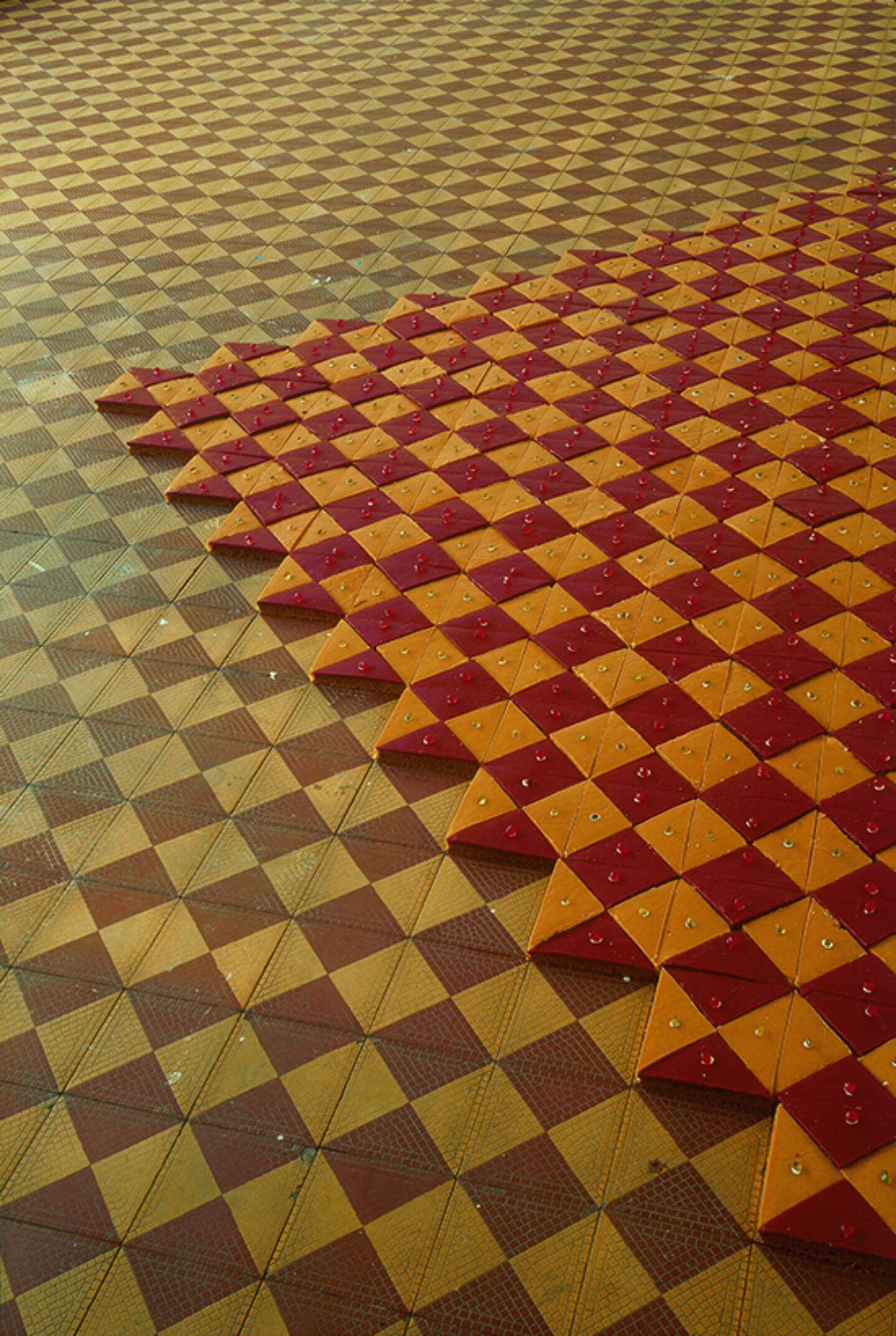
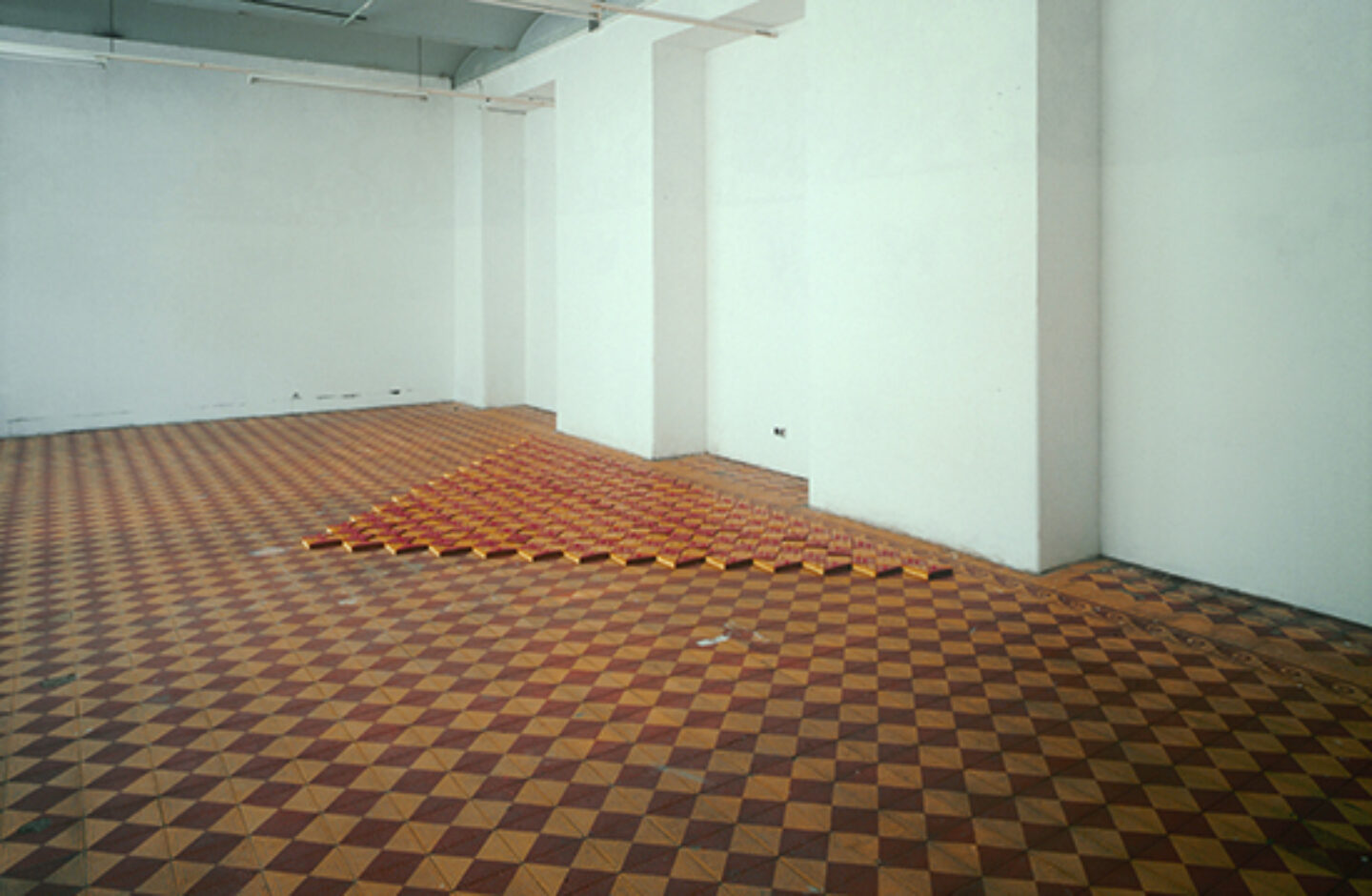
Invitation for a Piece of Cake

Invitation for a Piece of Cake, 2000
The Floor V.
Site specific installation

Cakes
Location: KulturKontakt Atelier, Vienna, Austria
Photos by Martin Marenčin

27 m

27 m, 2004-2006
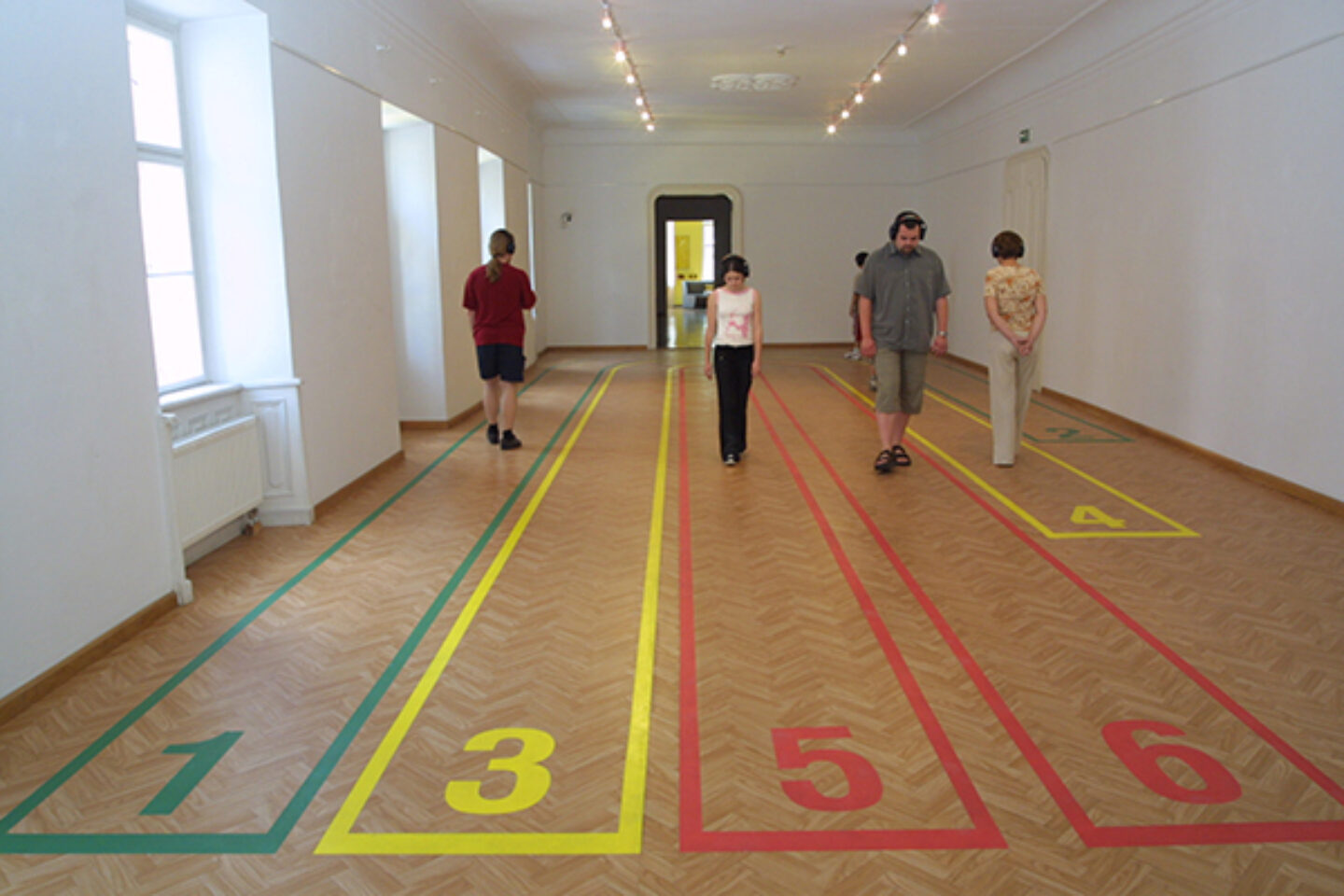
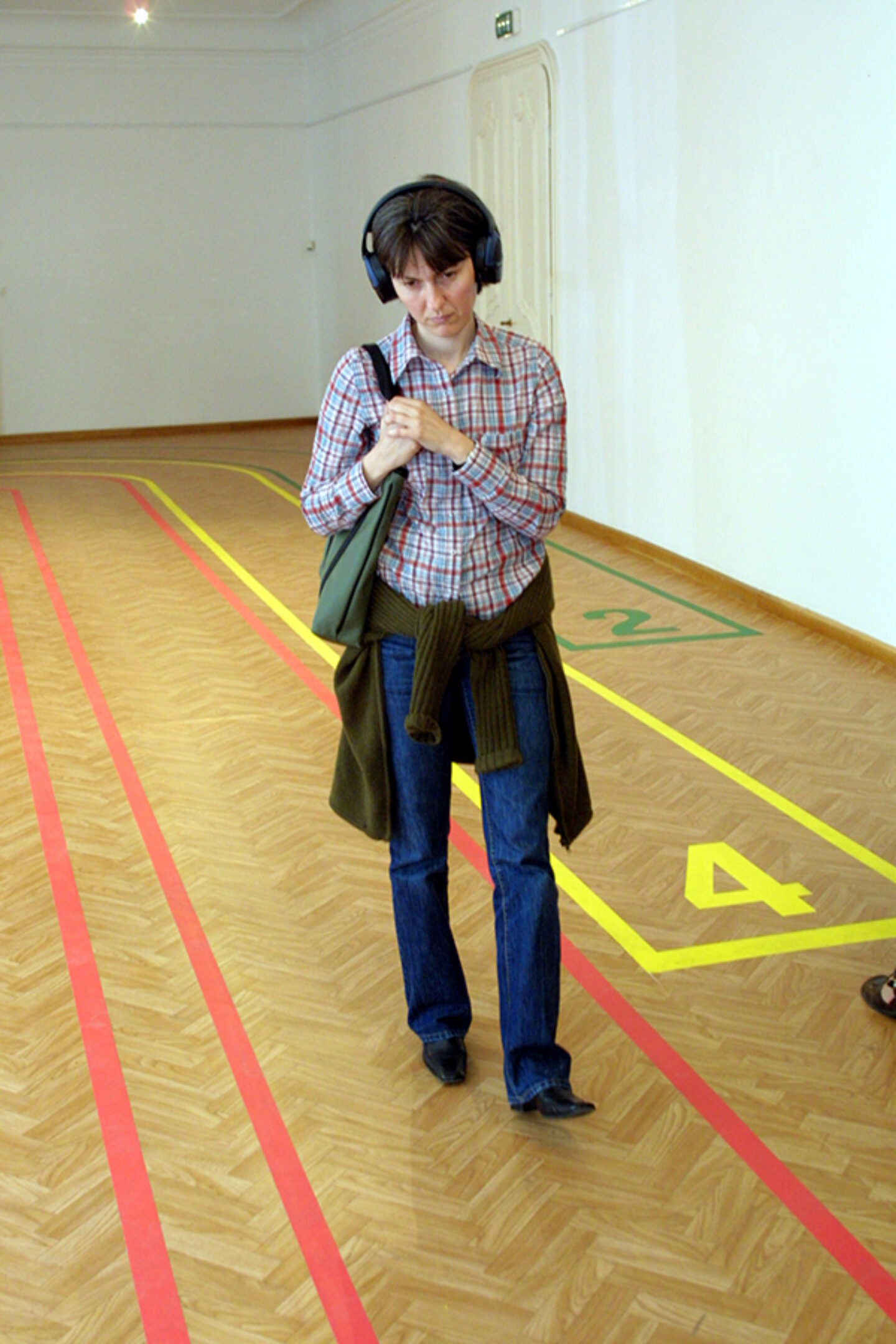
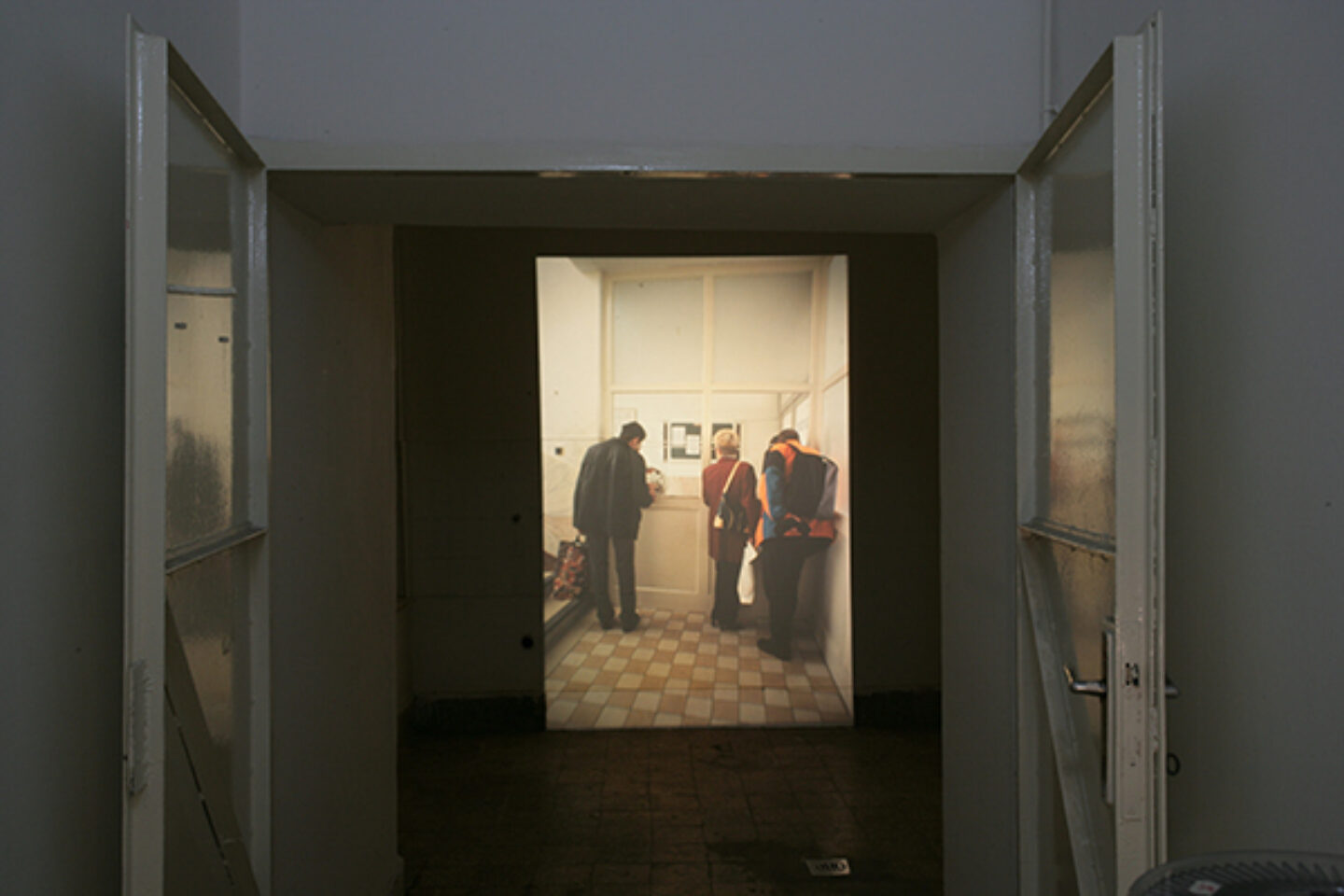
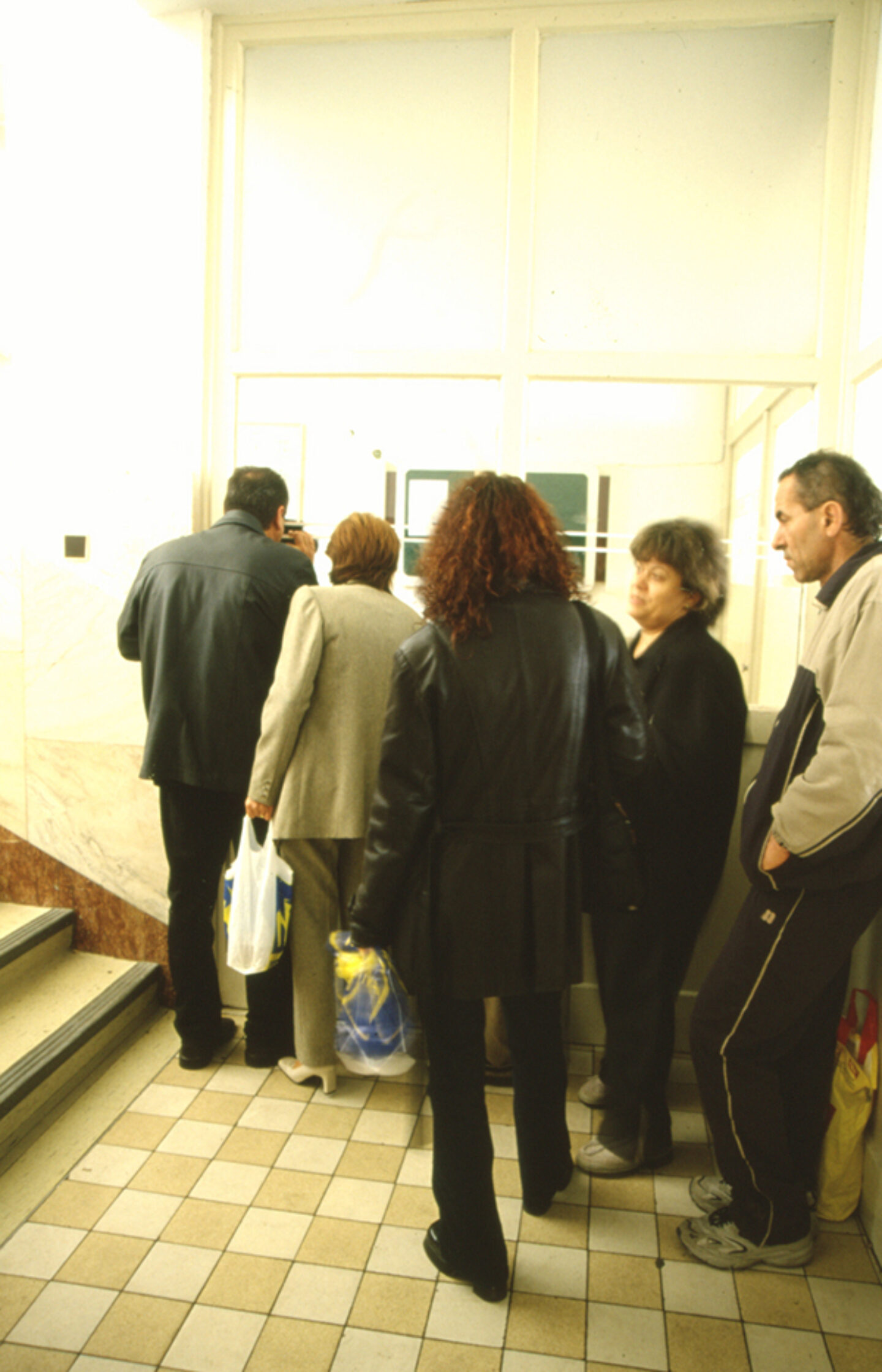
Sound installation, photography

Wireless headphones, audio equipment, tracks on the floor
Photos by Tibor Somogyi, Museum of Contemporary Art – Tokyo, Marián Ravasz, Lajos Kalmár
Sound by Roman Laščiak

c-print (Dunajská Streda) by Jana Hojštricová
90 x 150 cm

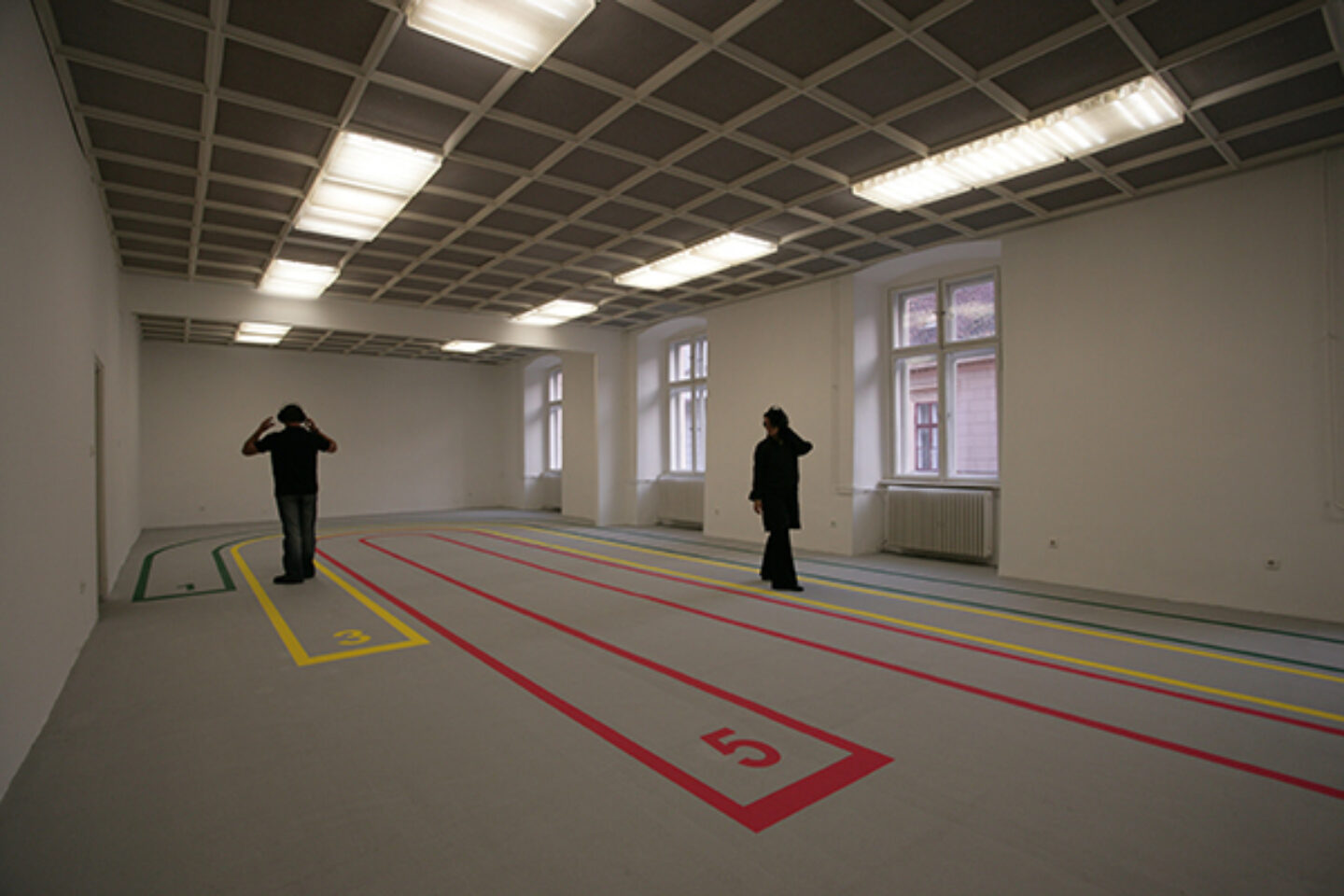
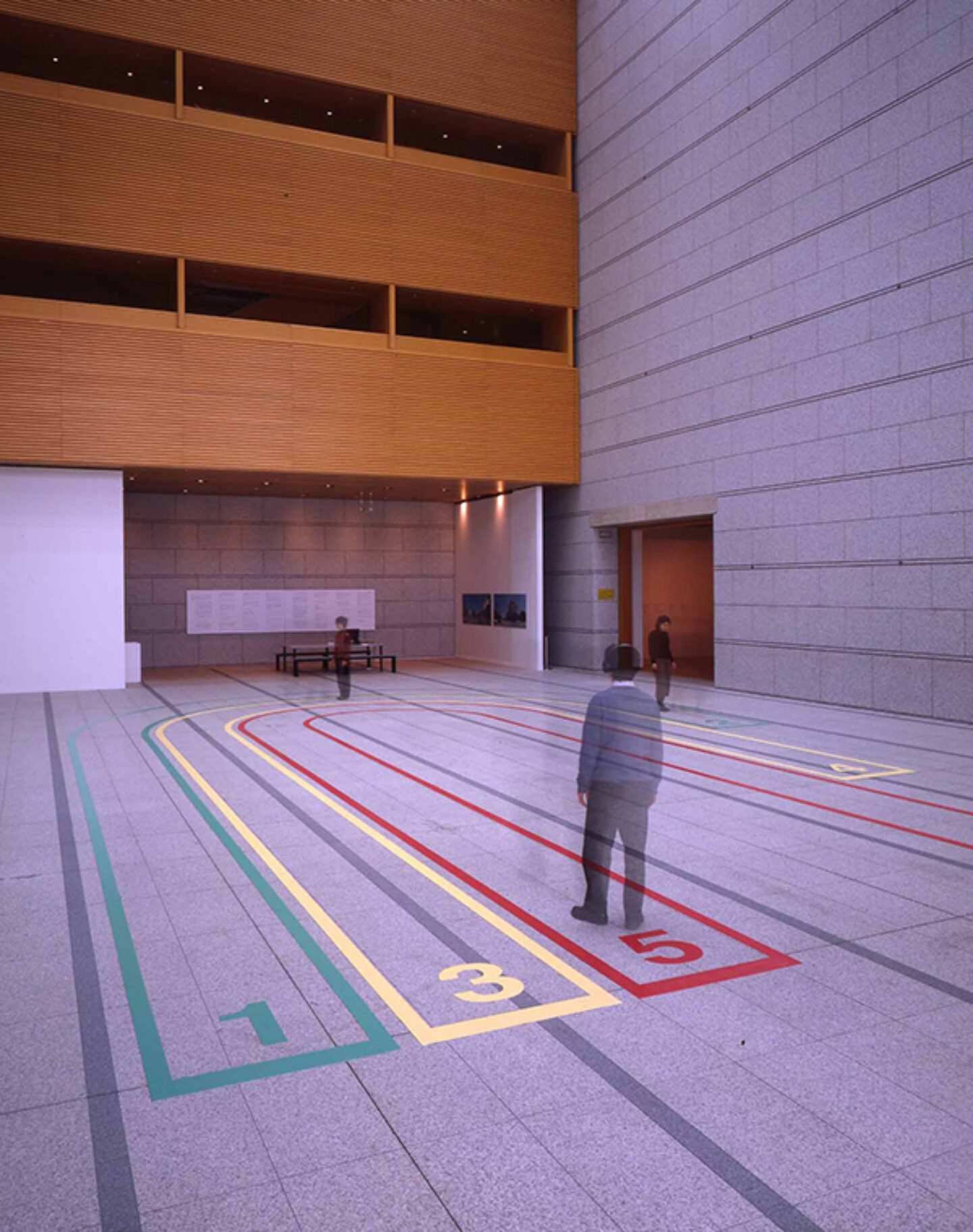
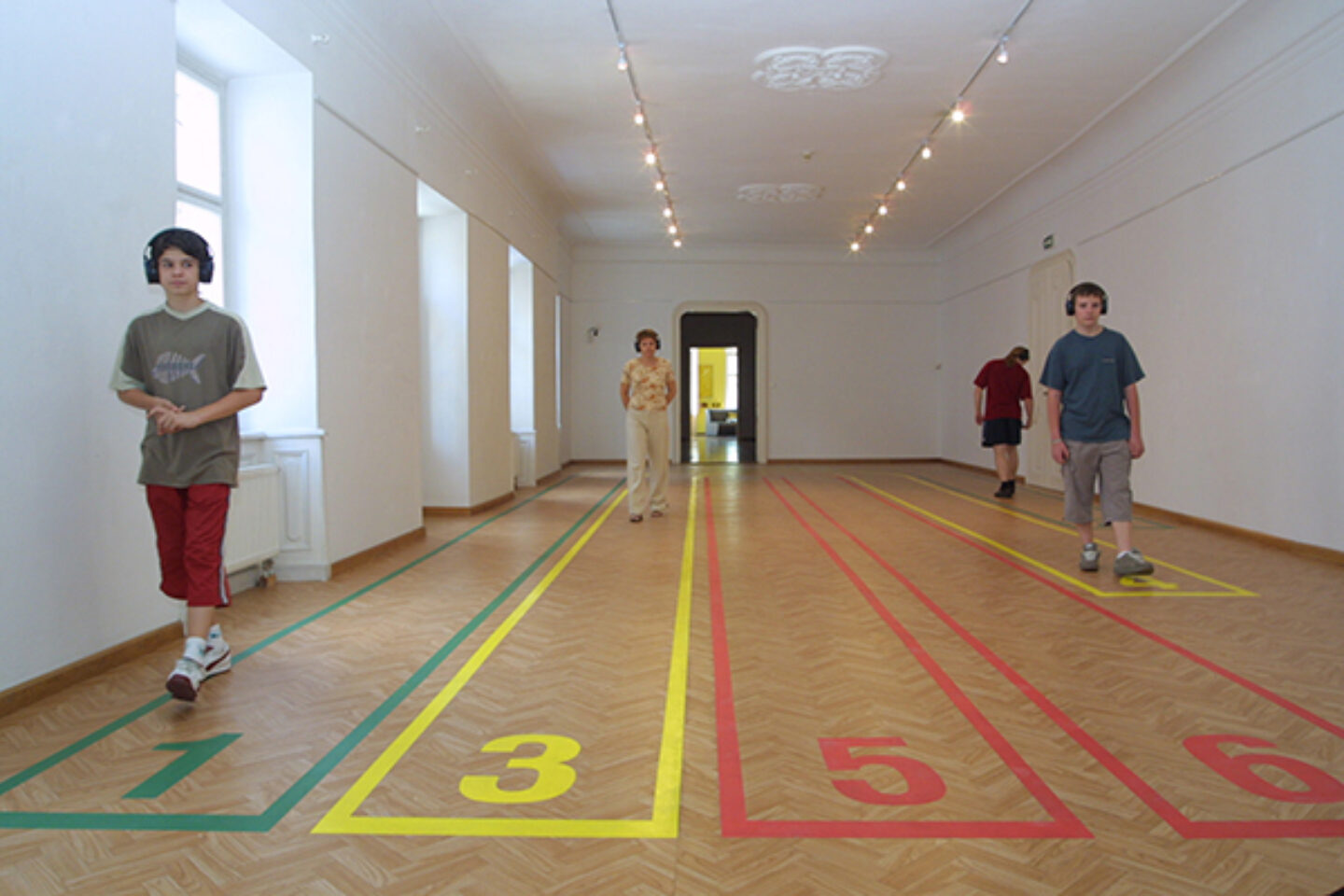
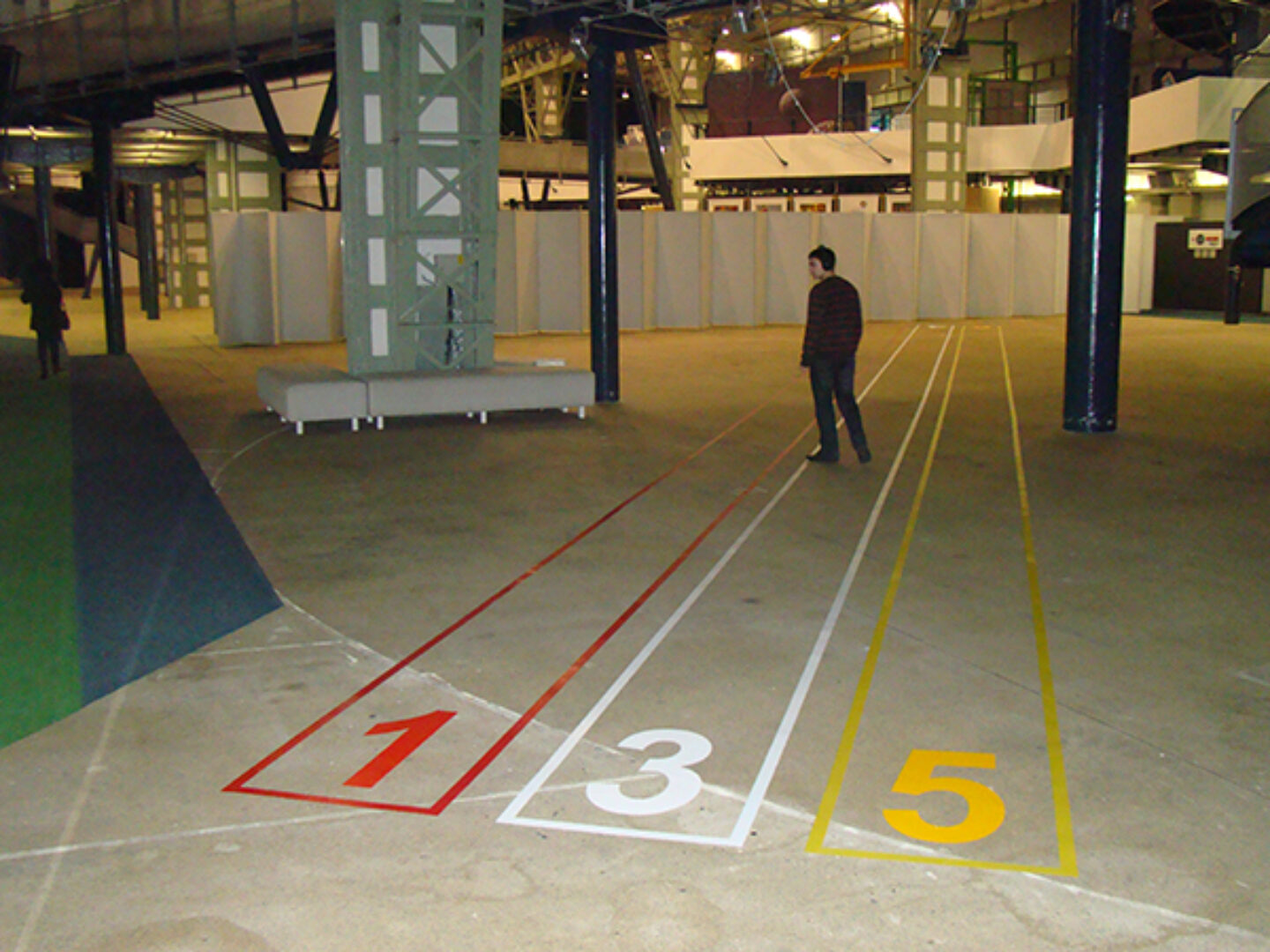
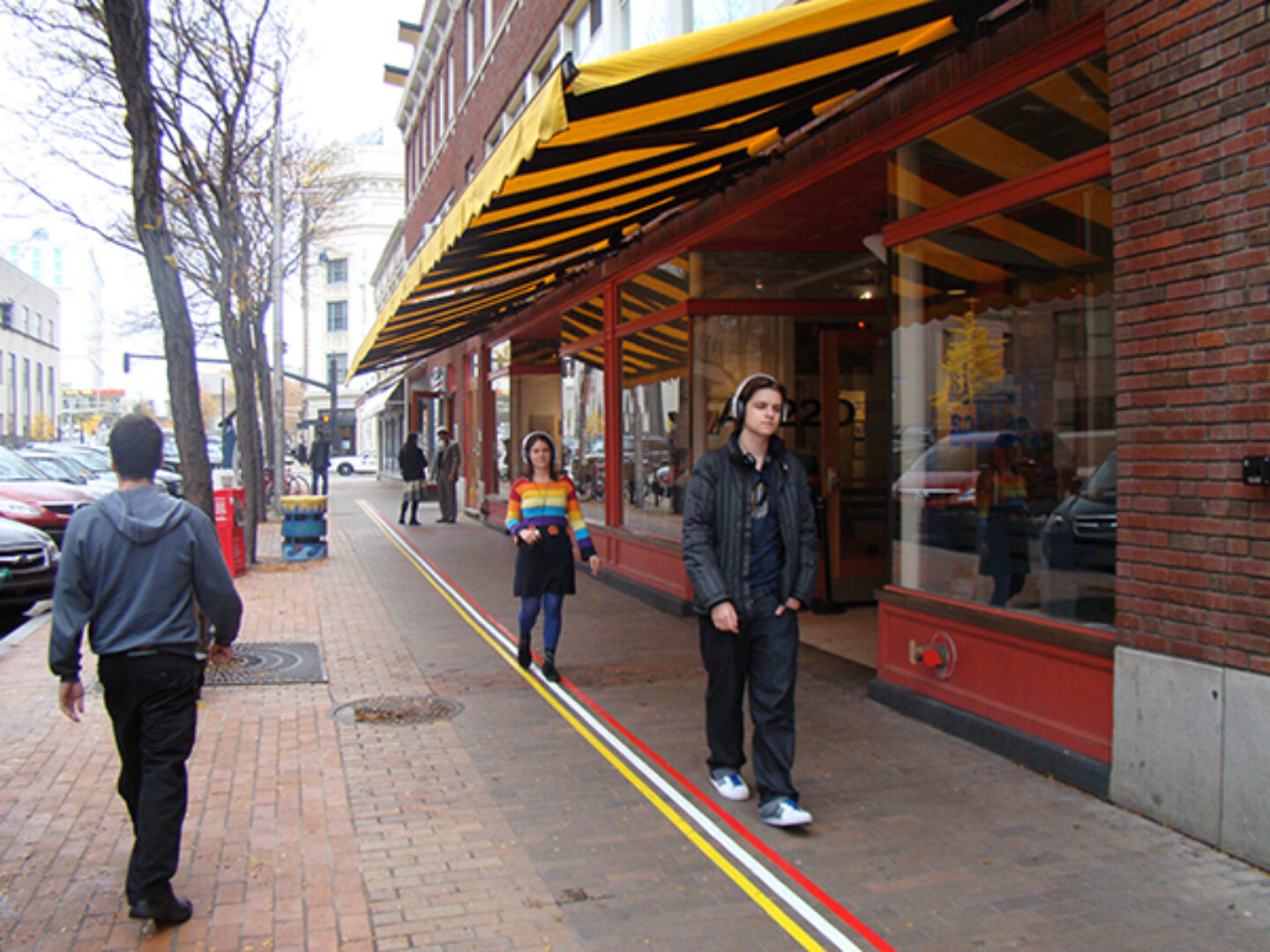
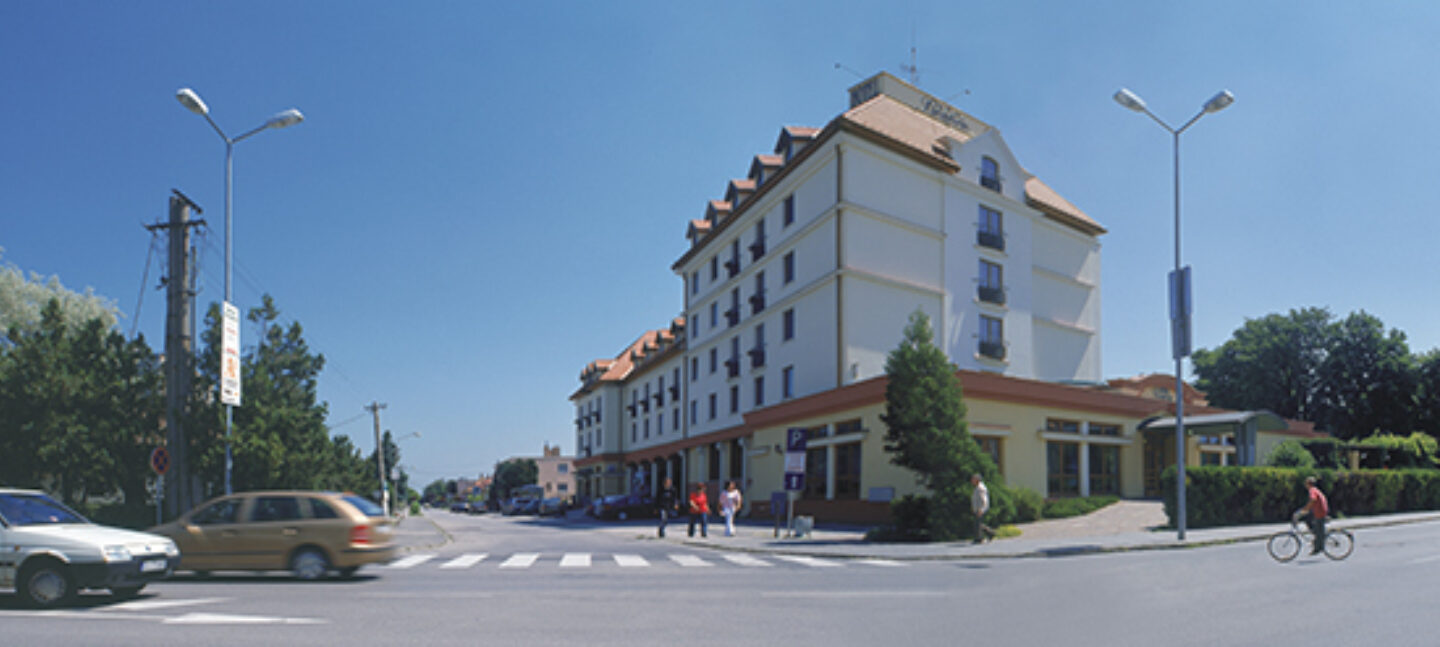
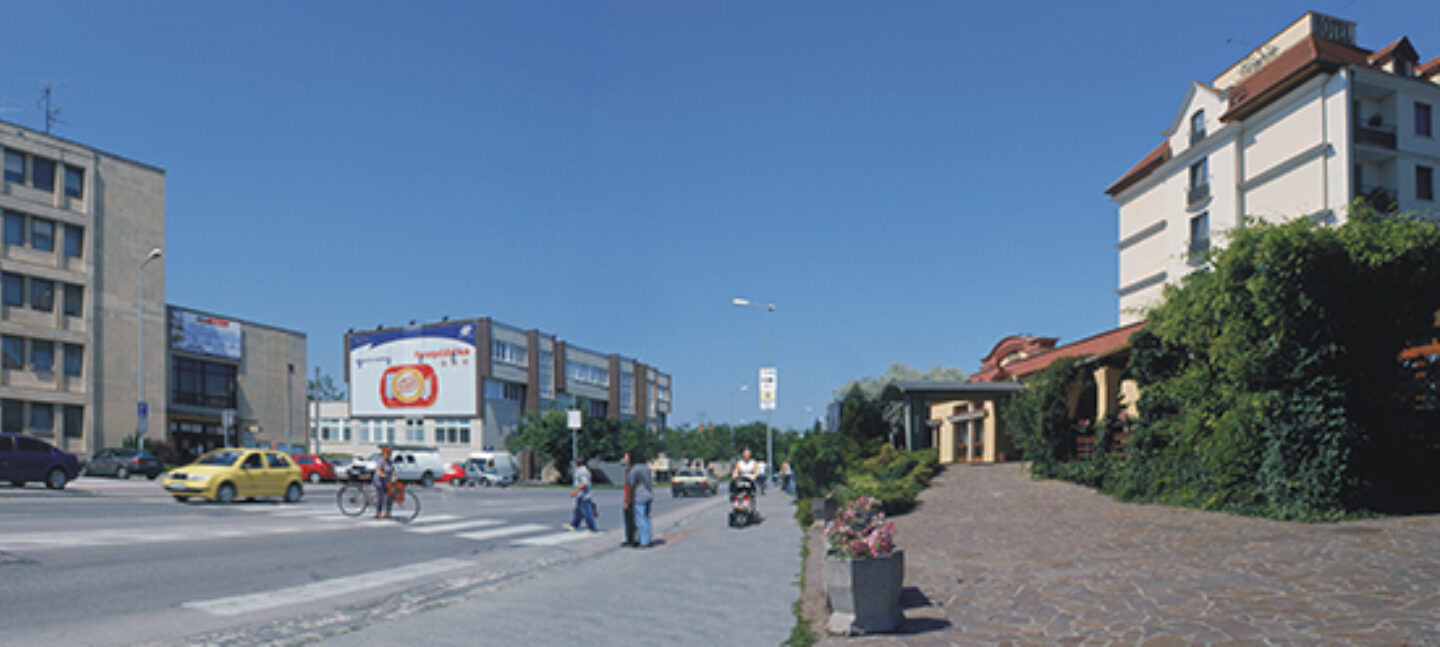
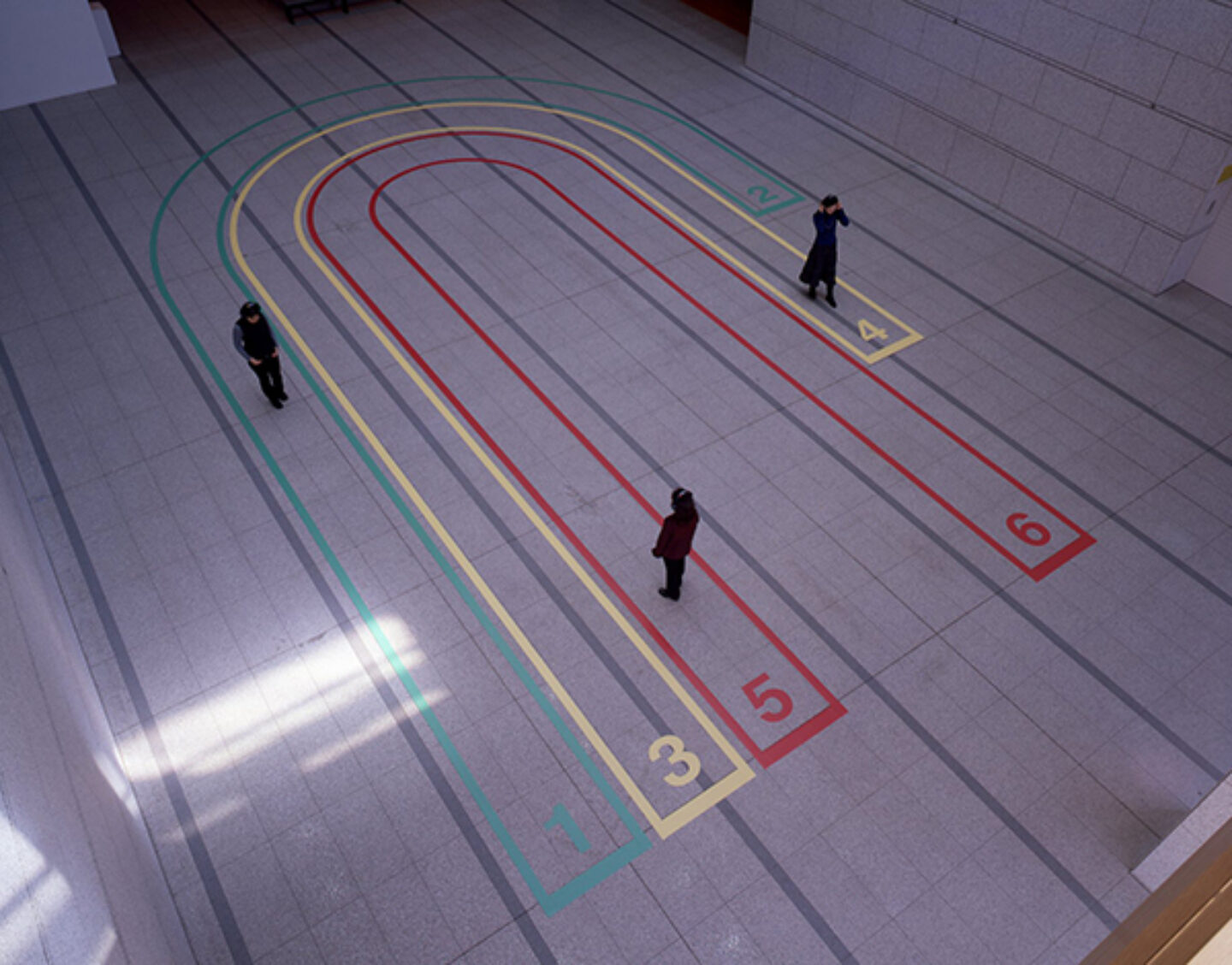
27m is a sound installation consisting of several 27 meter long walking tracks and a series of short minute soundtracks. Audience members put on headphones and walk along these tracks, listening to the sounds and a monologue. The sound was recorded along a route 27 metres long at one of the busiest junction of Dunajská Streda, a city in Slovakia, the hometown of the artists. People who are at the junction describe their visual experience of this place, from different perspectives. The work 27m has been shown in Slovakia, Hungary, Japan, Germany, USA, Russia and Sweden.

16 Women

16 Women, 2002
C-print, manipulated photography
70 x 100 cm

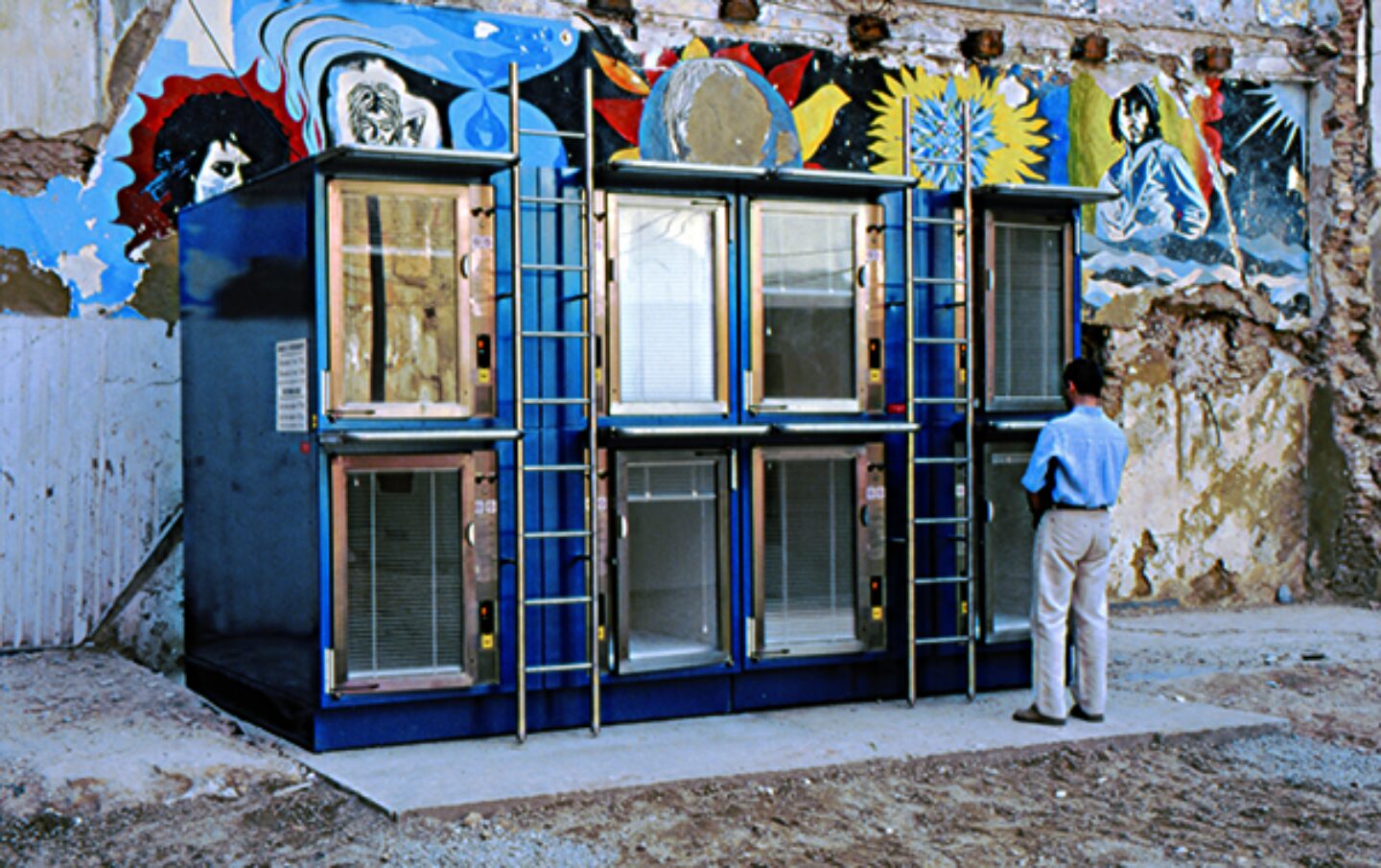
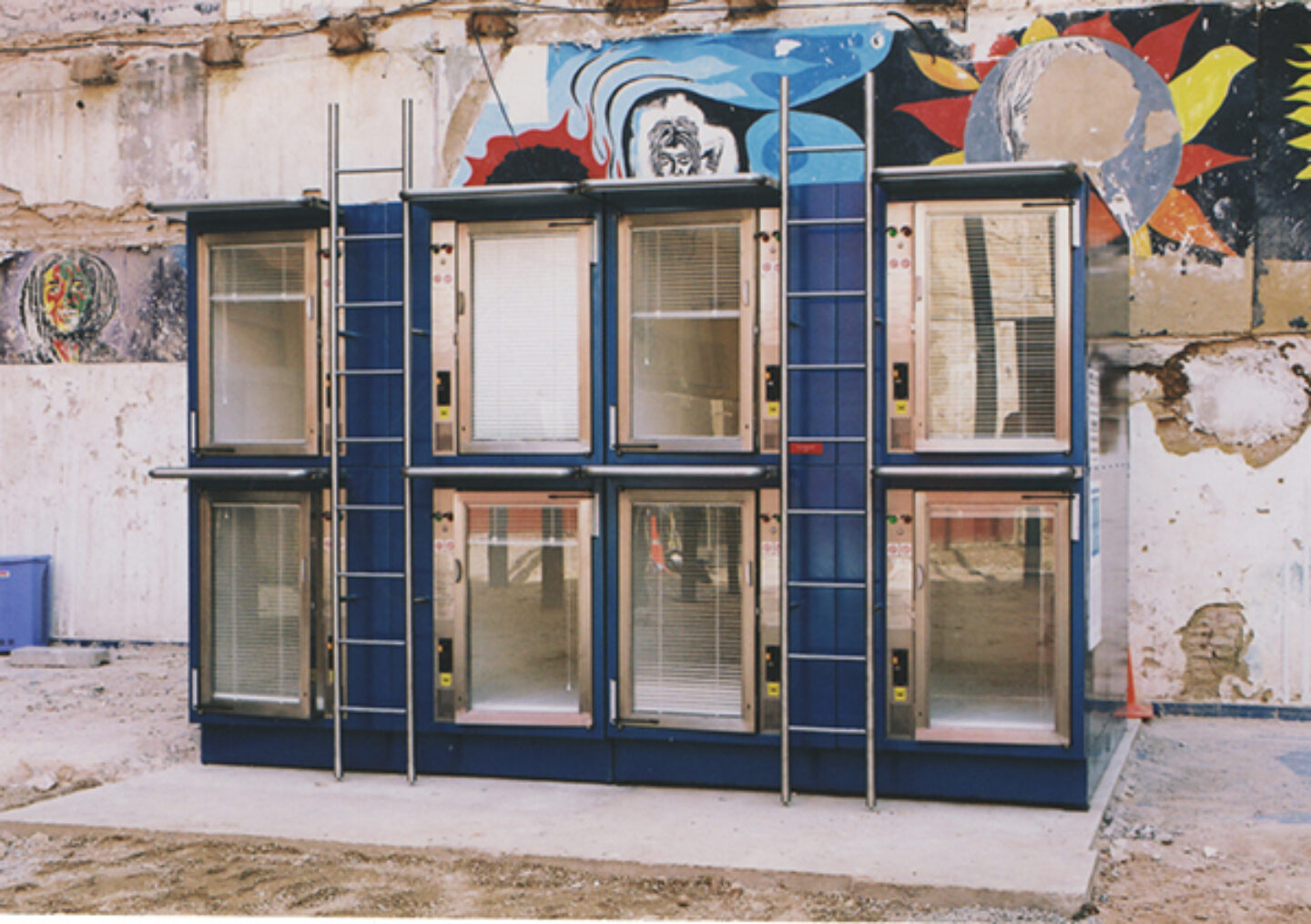
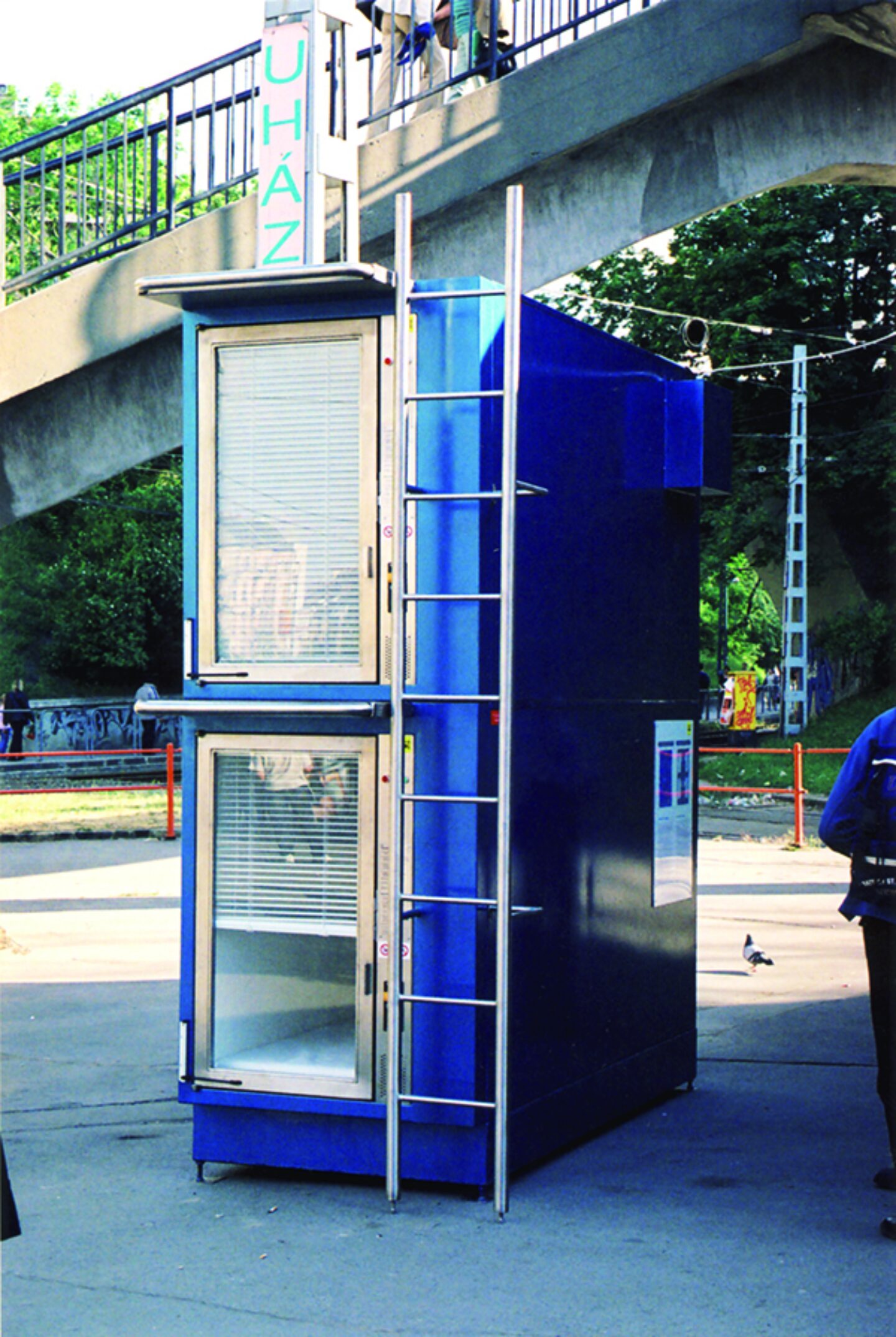
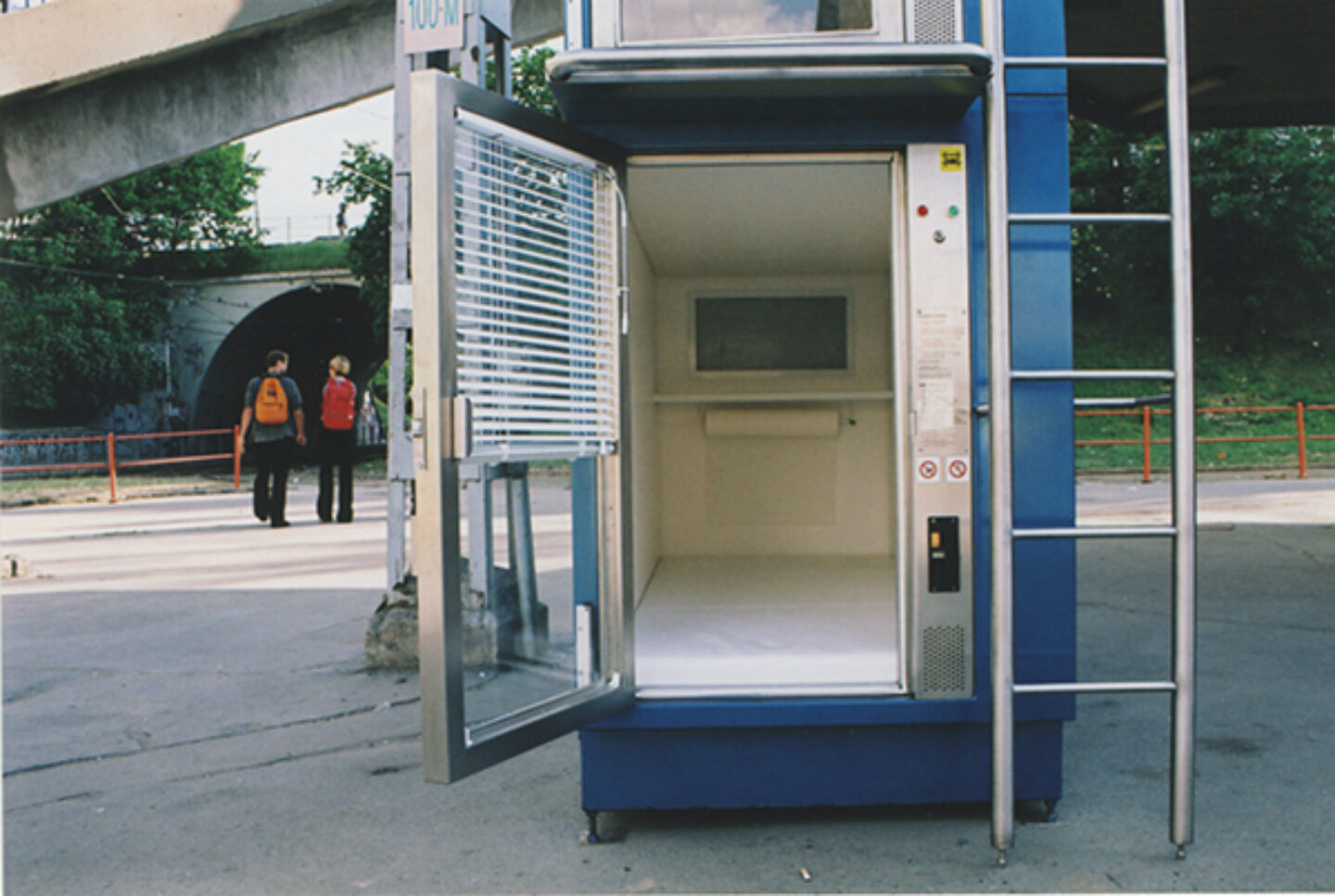
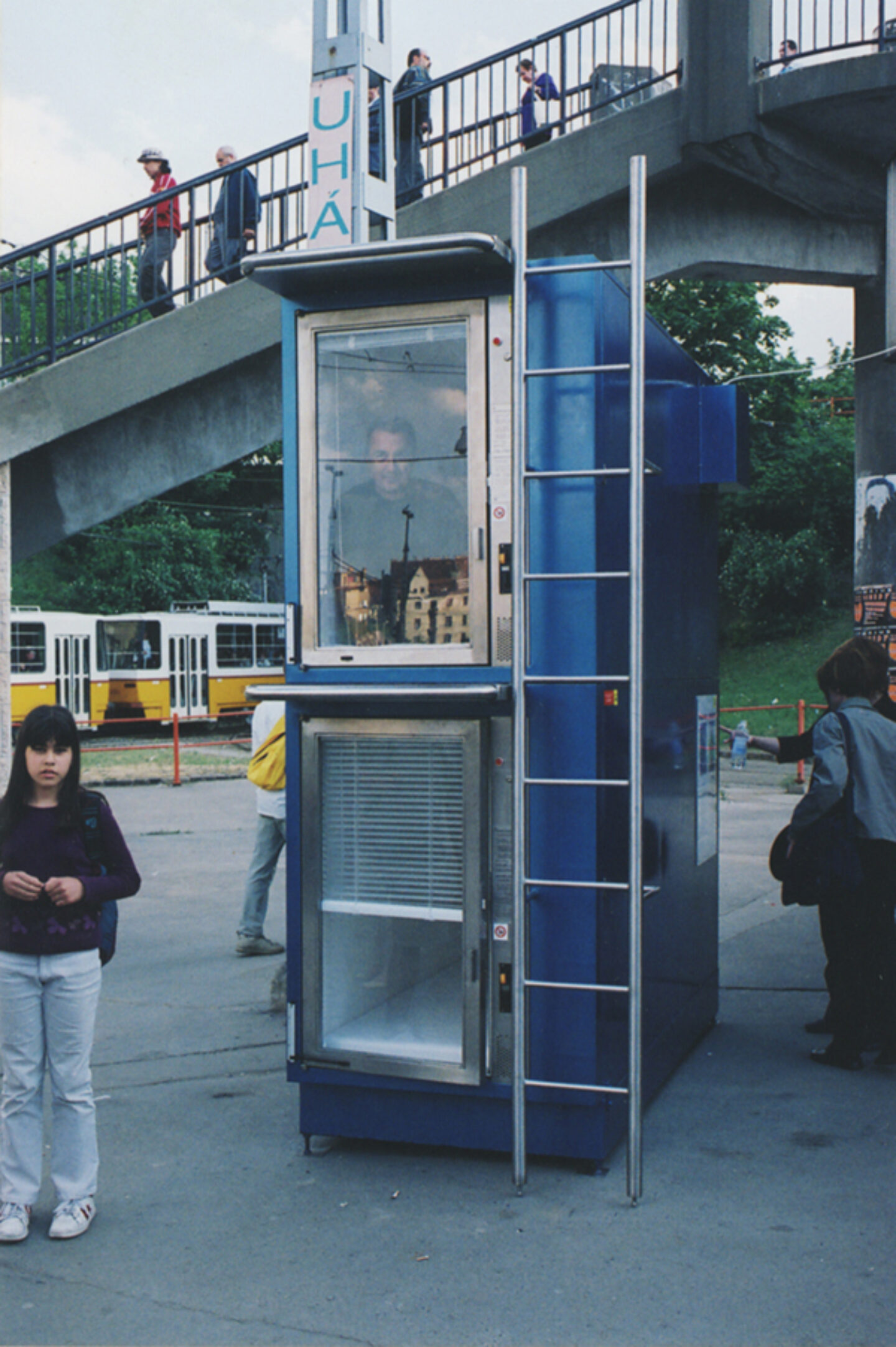
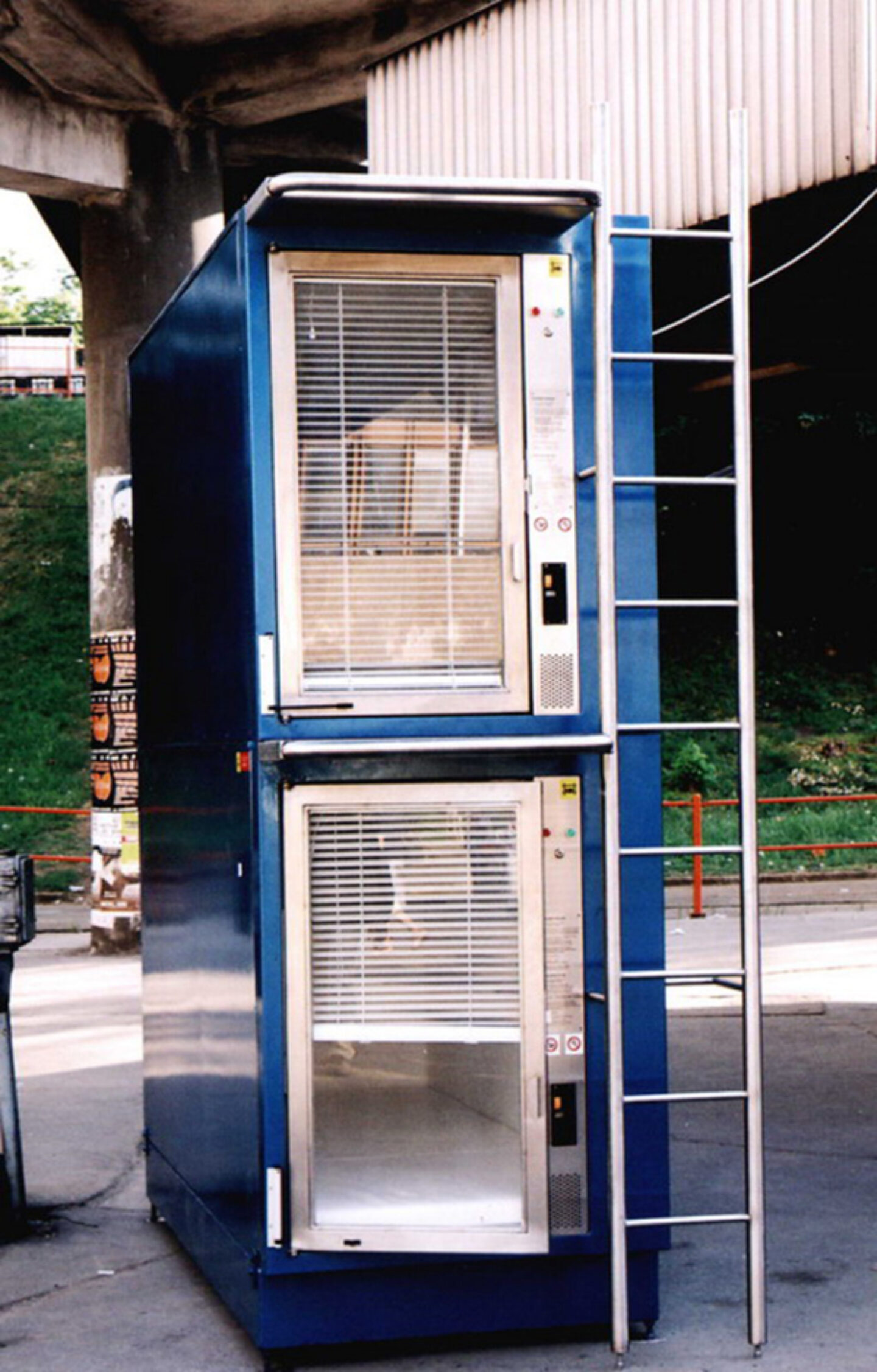
Capsules I.

Capsules I., 2003
Object – machine in public space

320 x 480 x 240 cm
Iron, stainless steel, metal sheets, chipboard, upholstery, rubber, electronic
Architect: Marián Ravasz
Photos by Marián Ravasz

The Capsule is a minimal space where a person can relax or take shelter. It can provide accommodation for either homeless people or young people who just wish to spend a few hours there. It can also be the new, even more impersonal version of the Japanese capsule hotel. The capsule’s interior design is ergonomic, comfortable, but minimal. It functions similarly to left-luggage lockers at stations or public buildings. Its exterior design also recalls these lockers, although it is much bigger in size. The capsules can be built either one on top of the other or side-by-side; they can be put together like modules.

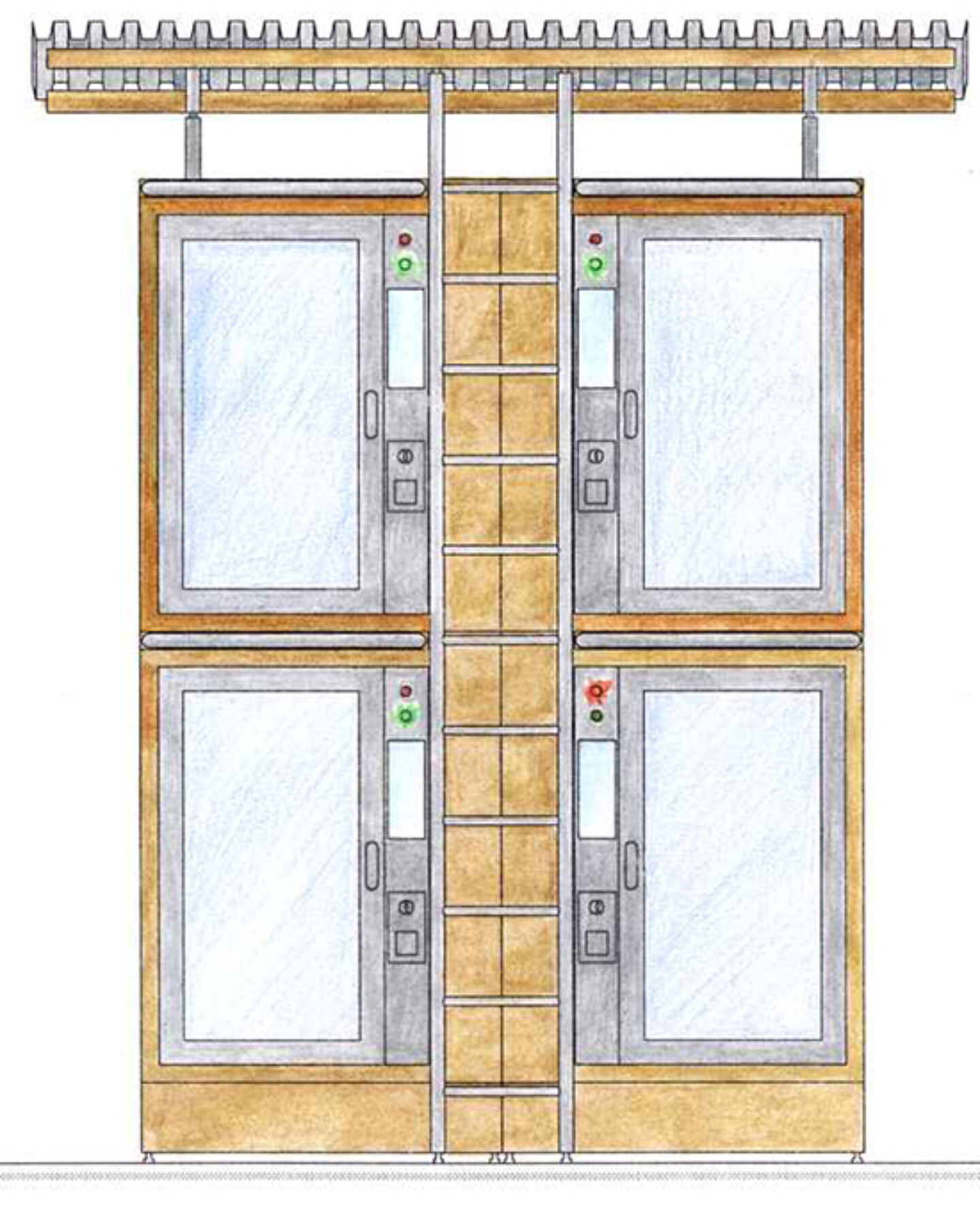
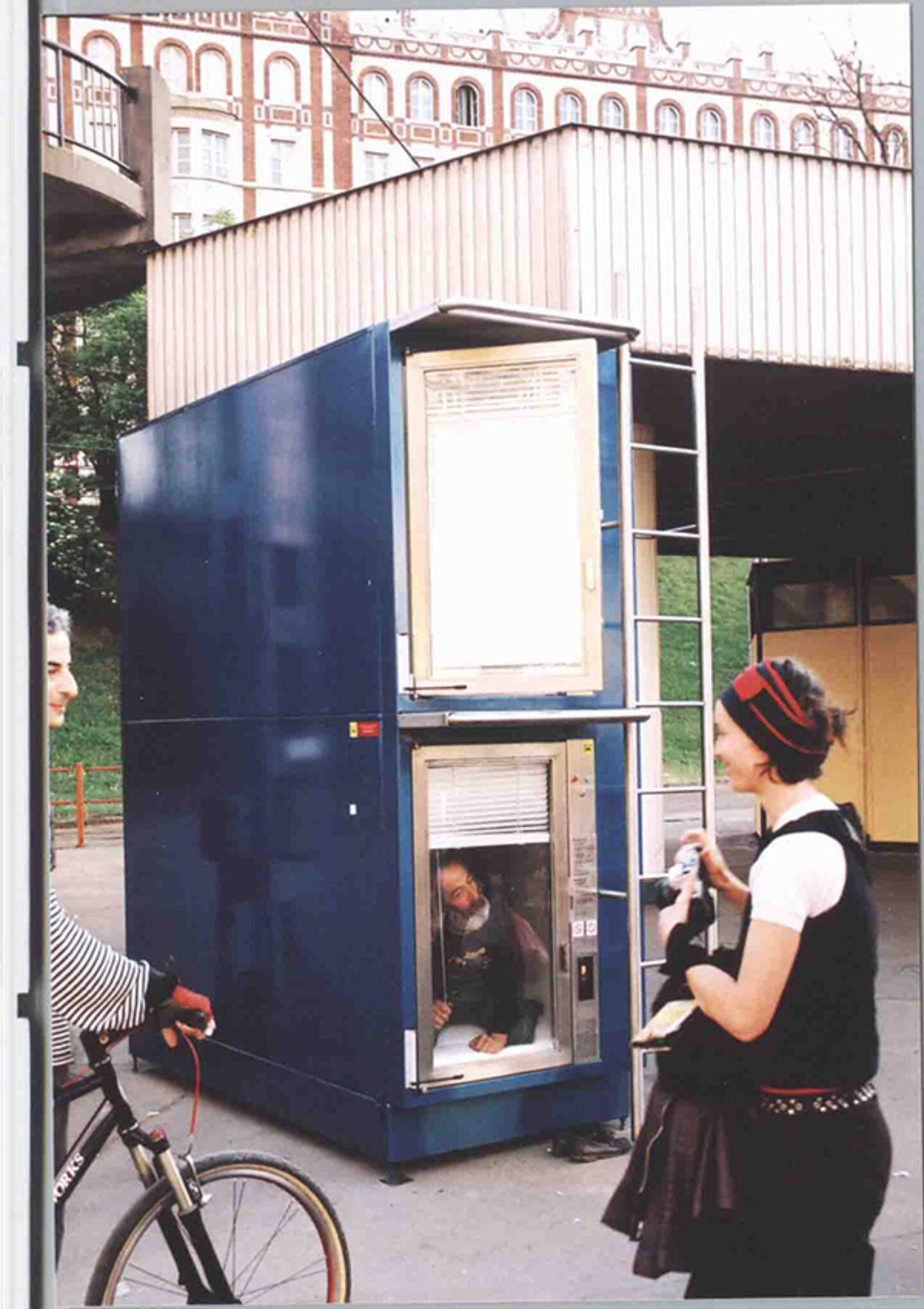
Capsules II.

Capsules II., 2003
Object – machine in public space

320 x 120 x 240 cm
Iron, stainless steel, metal sheets, chipboard, upholstery, rubber, electronics
Property of the Ludwig Museum – Museum for Contemporary Art, Budapest
Architect: Marián Ravasz
Photos by Marián Ravasz

The Capsule is a minimal space where a person can relax or take shelter. It can provide accommodation for either homeless people or young people who just wish to spend a few hours there. It can also be the new, even more impersonal version of the Japanese capsule hotel. The capsule’s interior design is ergonomic, comfortable, but minimal. It functions similarly to left-luggage lockers at stations or public buildings. Its exterior design also recalls these lockers, although it is much bigger in size. The capsules can be built either one on top of the other or side-by-side; they can be put together like modules.

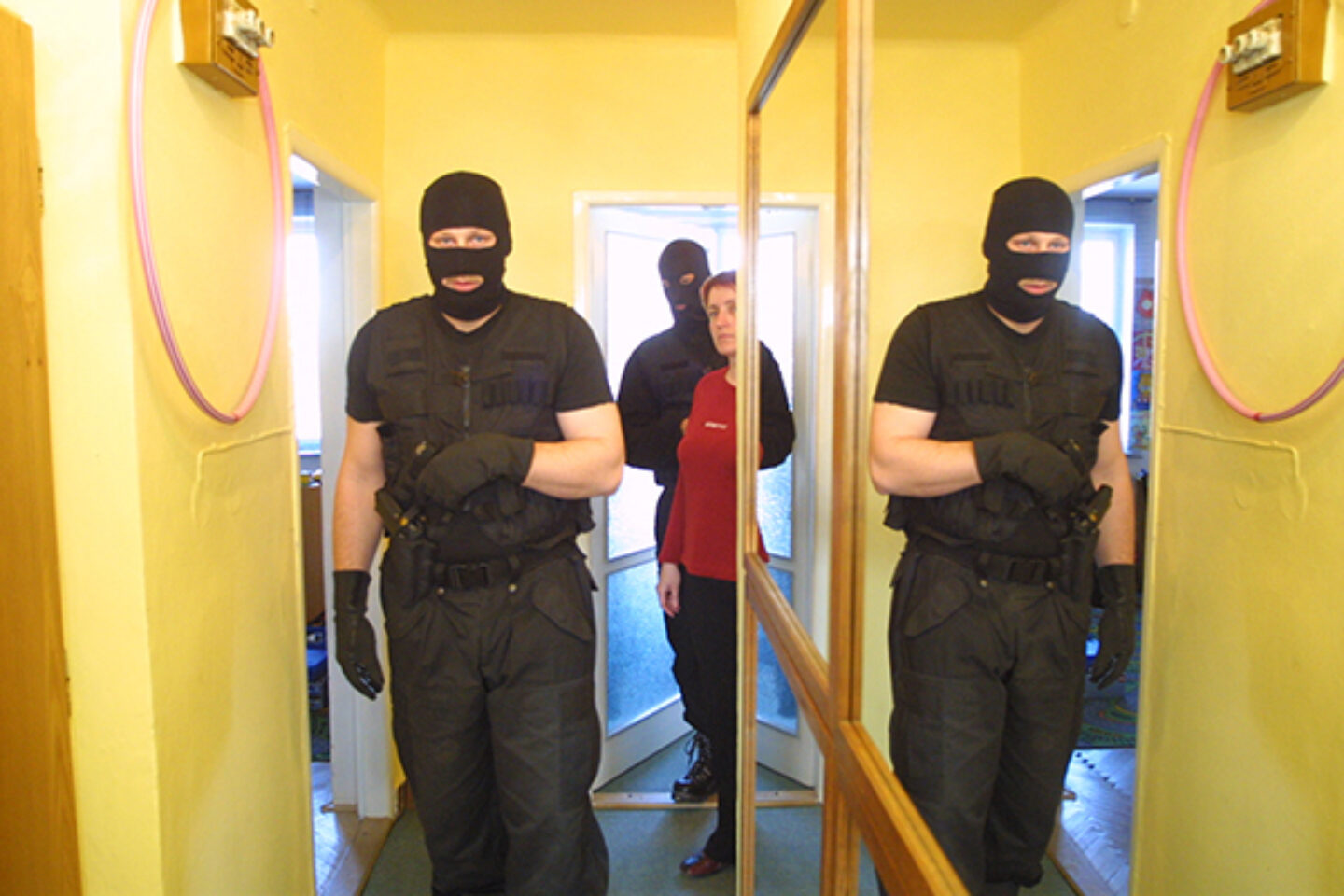
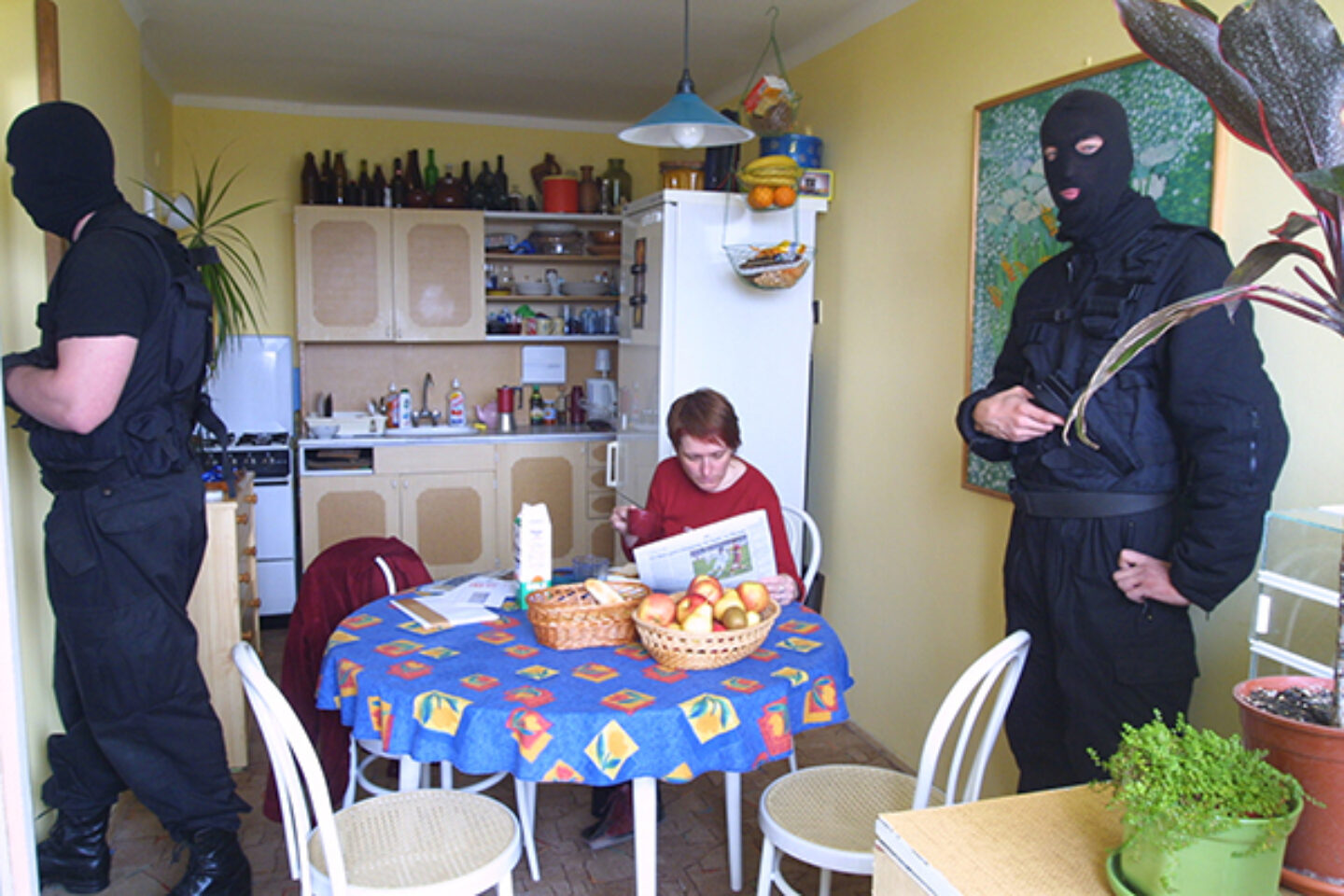
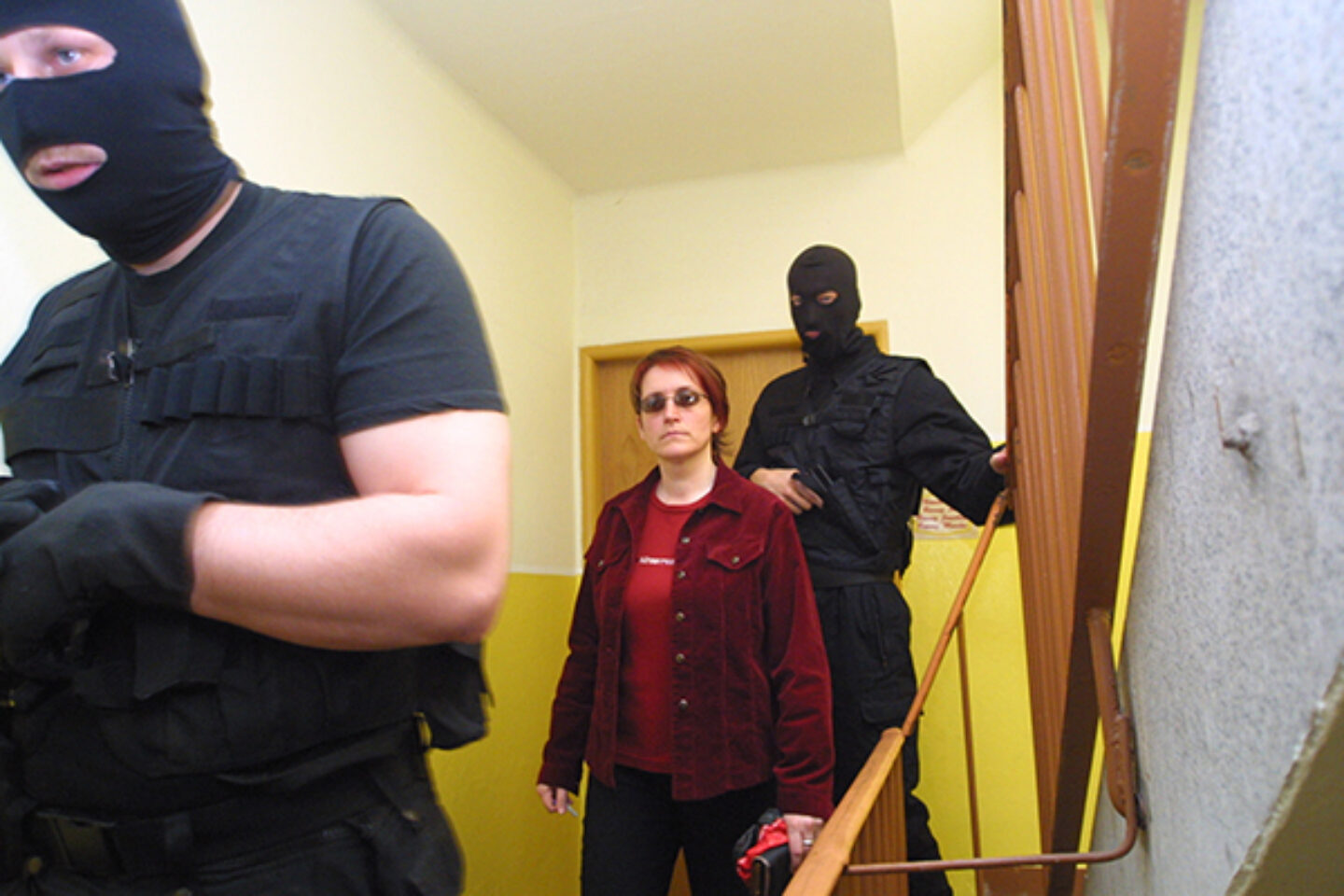
Morning

Morning, 2003
In cooperation with Csaba Czibula
Video (3’50”)

In collection: Ludwig Museum – Museum of Contemporary Art, Budapest, Hungary; M.ICA, Miskolci Kortárs Művészeti Intézet / Institute of Contemporary Arts, Miskolc, Hungary; National Centre for Contemporary Arts, Moscow, Russia
Photos by Csaba Czibula

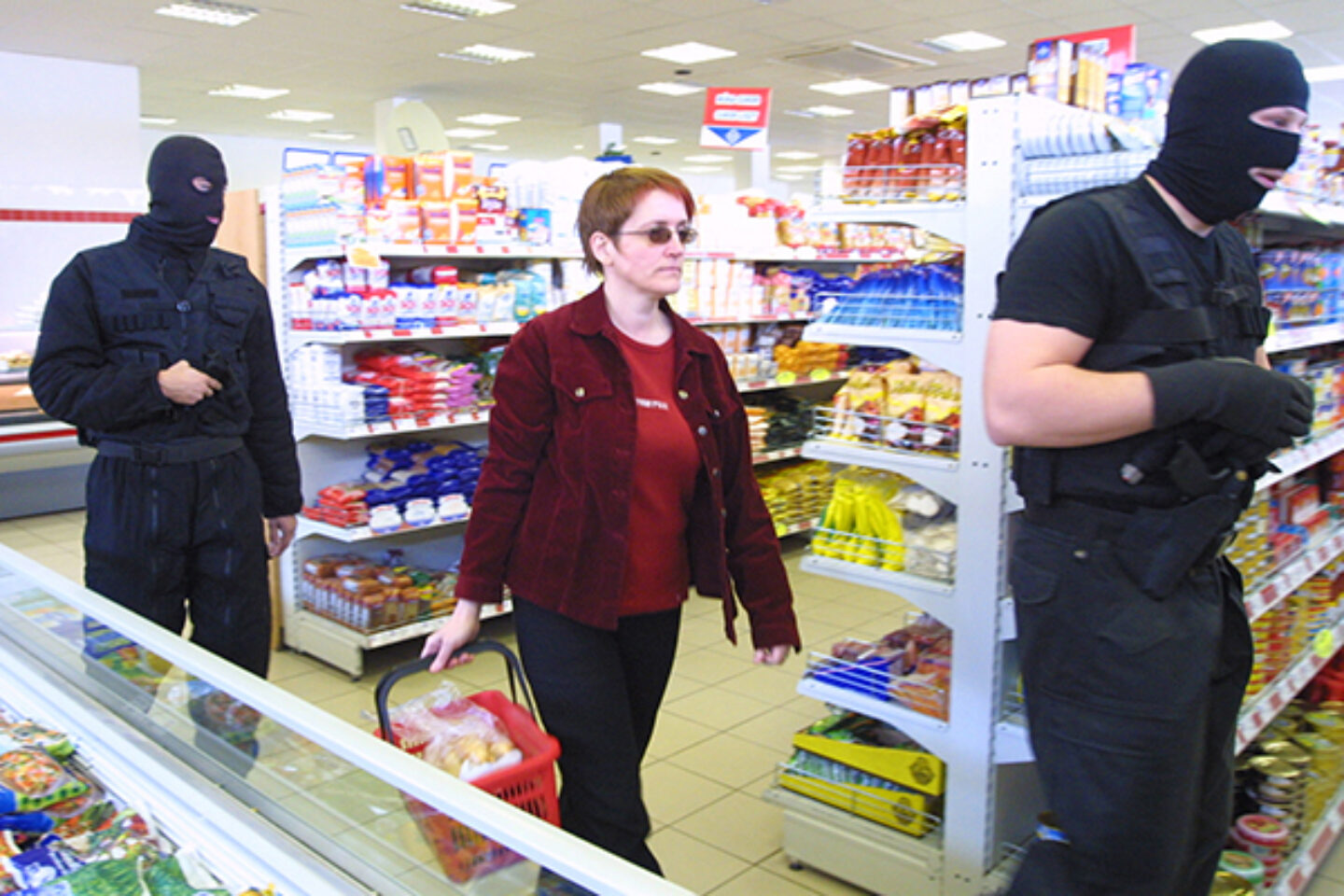
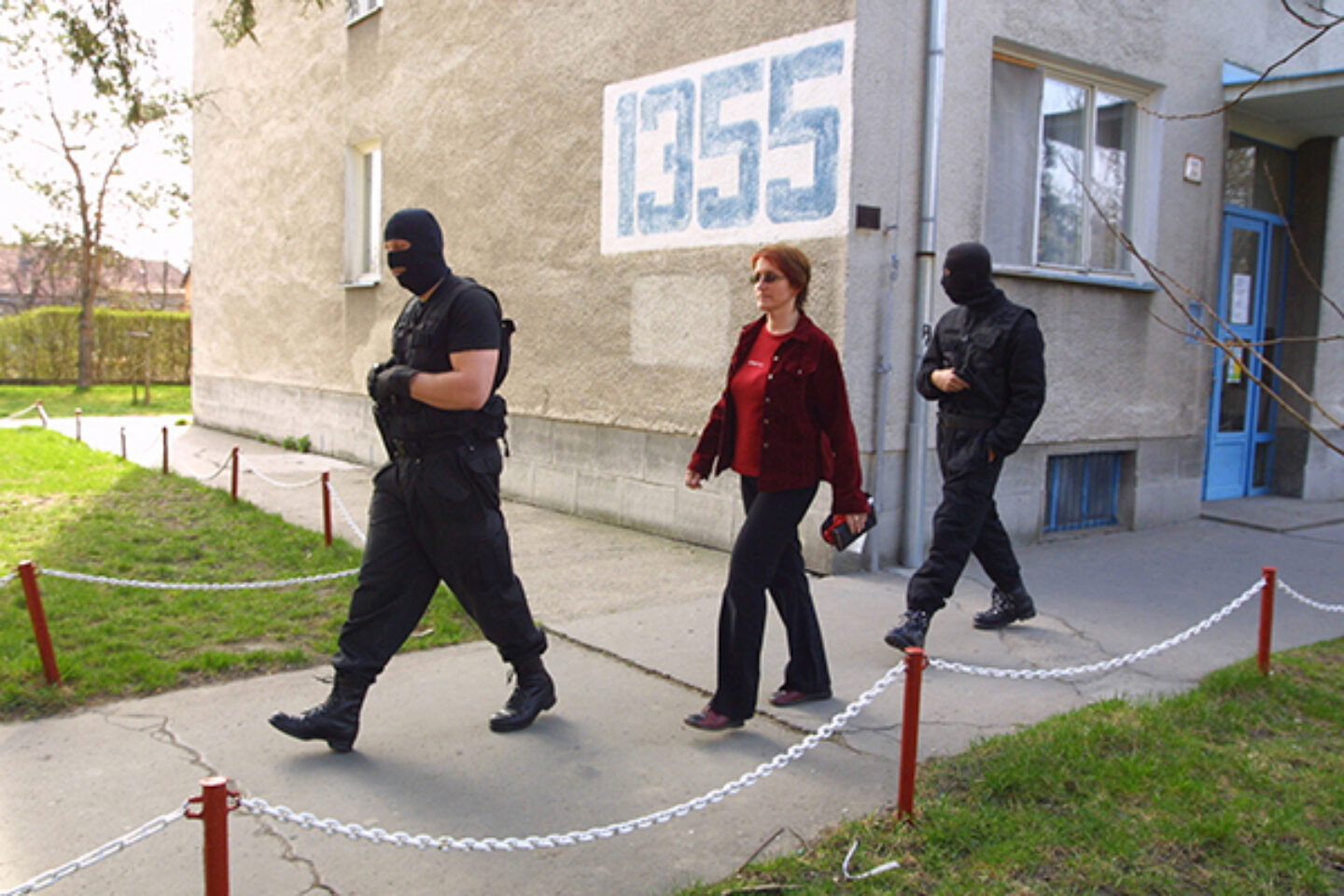
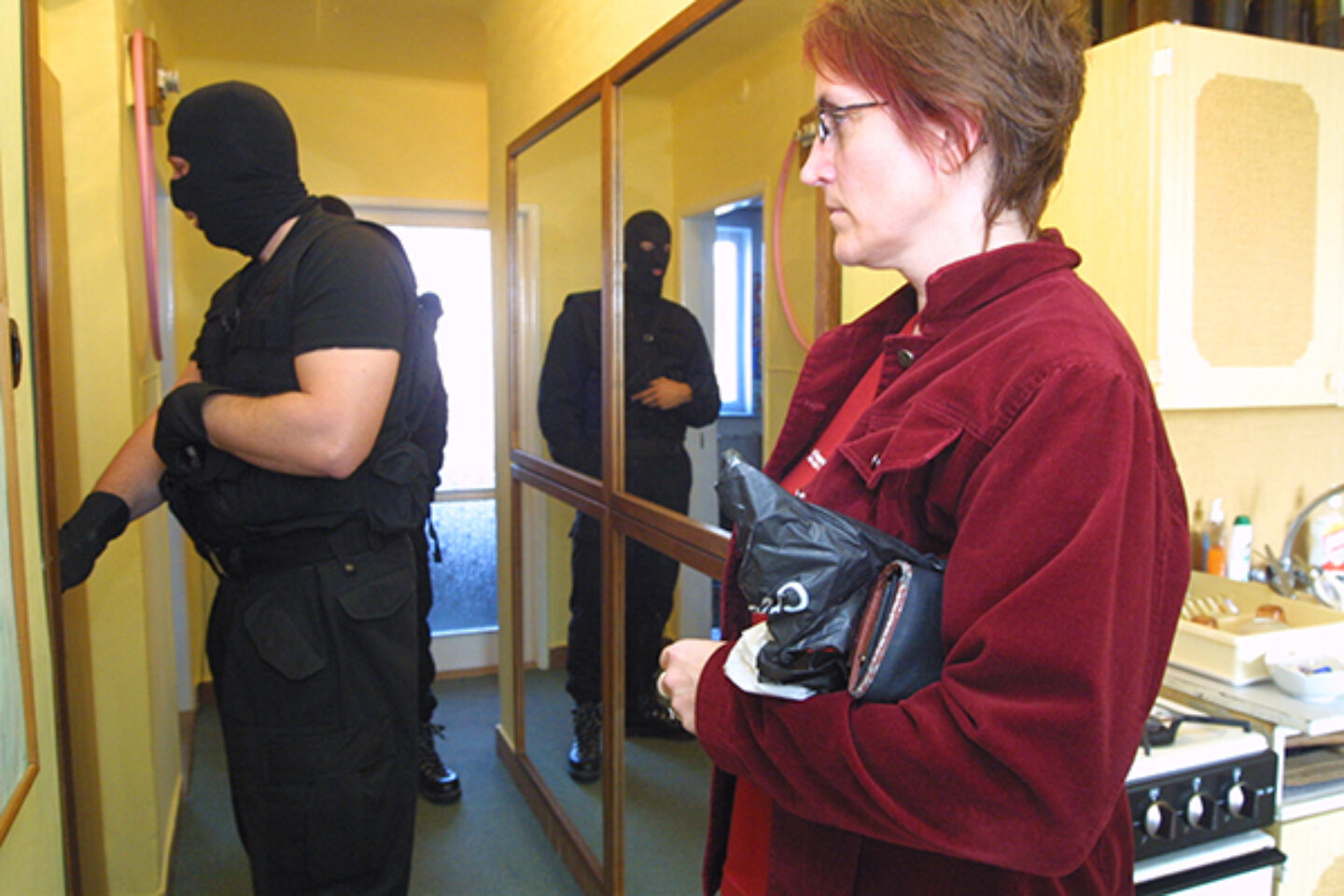
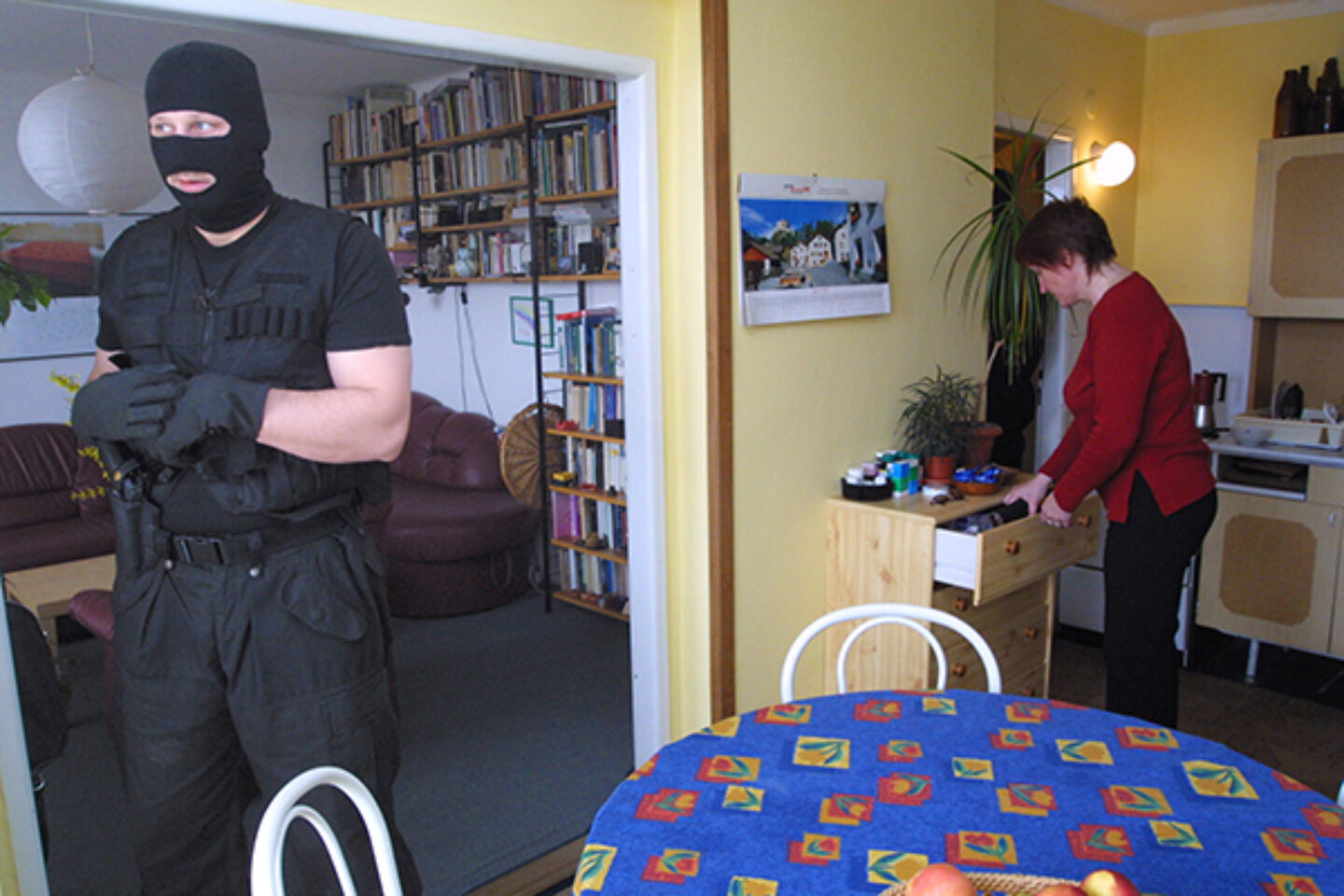
“Ilona Nemeth’s Morning reflects on the relationship between the public and the private world by focusing on a simple everyday ritual. The artist is seen having breakfast, reading the newspaper and going shopping, the only strange feature of this morning ritual being that she is followed throughout her activities by two policemen dressed in riot gear. As it is not clear whether the policemen are there to protect her or to threaten her, the excess of security becomes an act of violence against the very subject of the protection.”

Lydia Pribišová

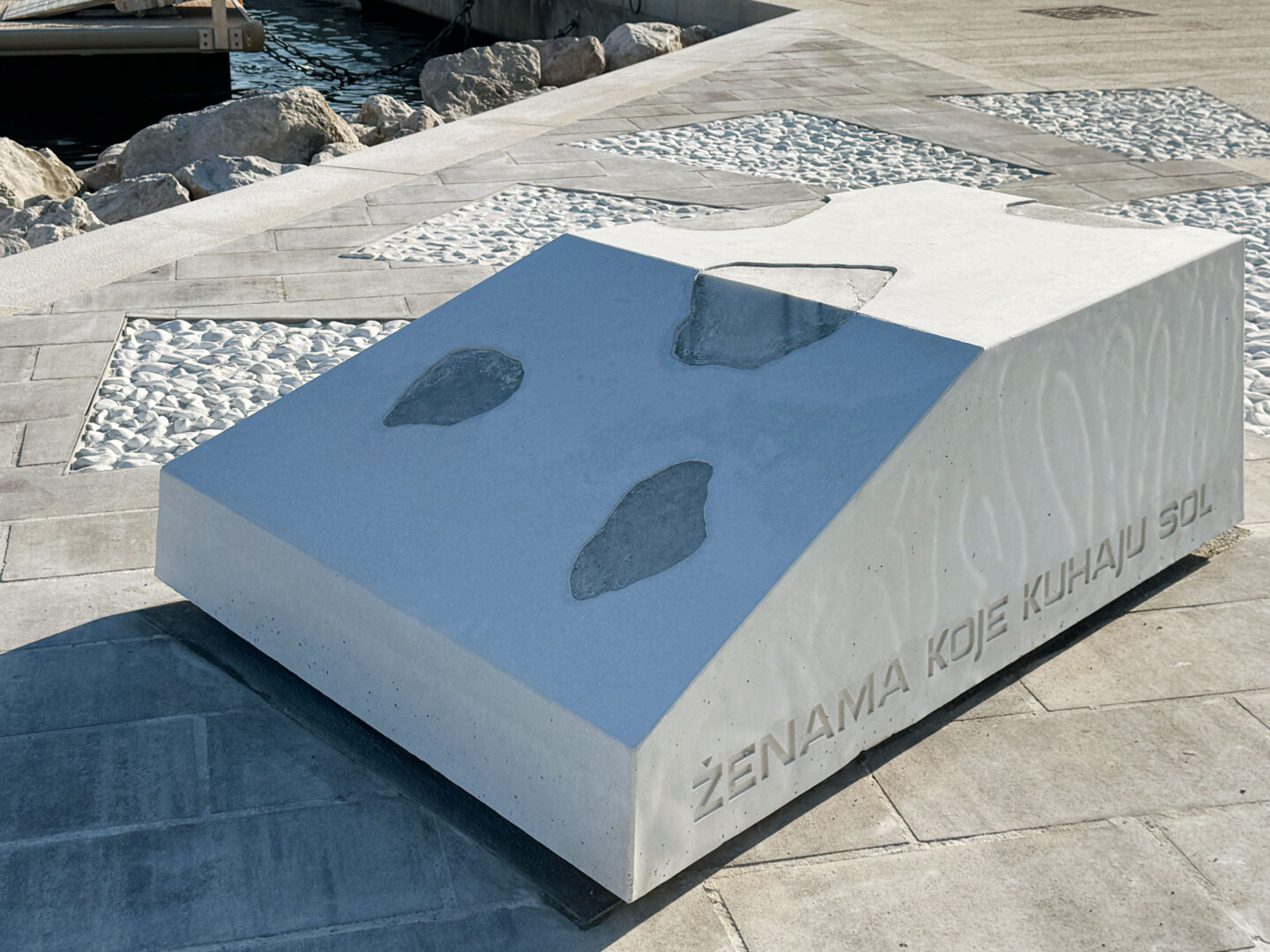
Monument to Salt-Cooking Women

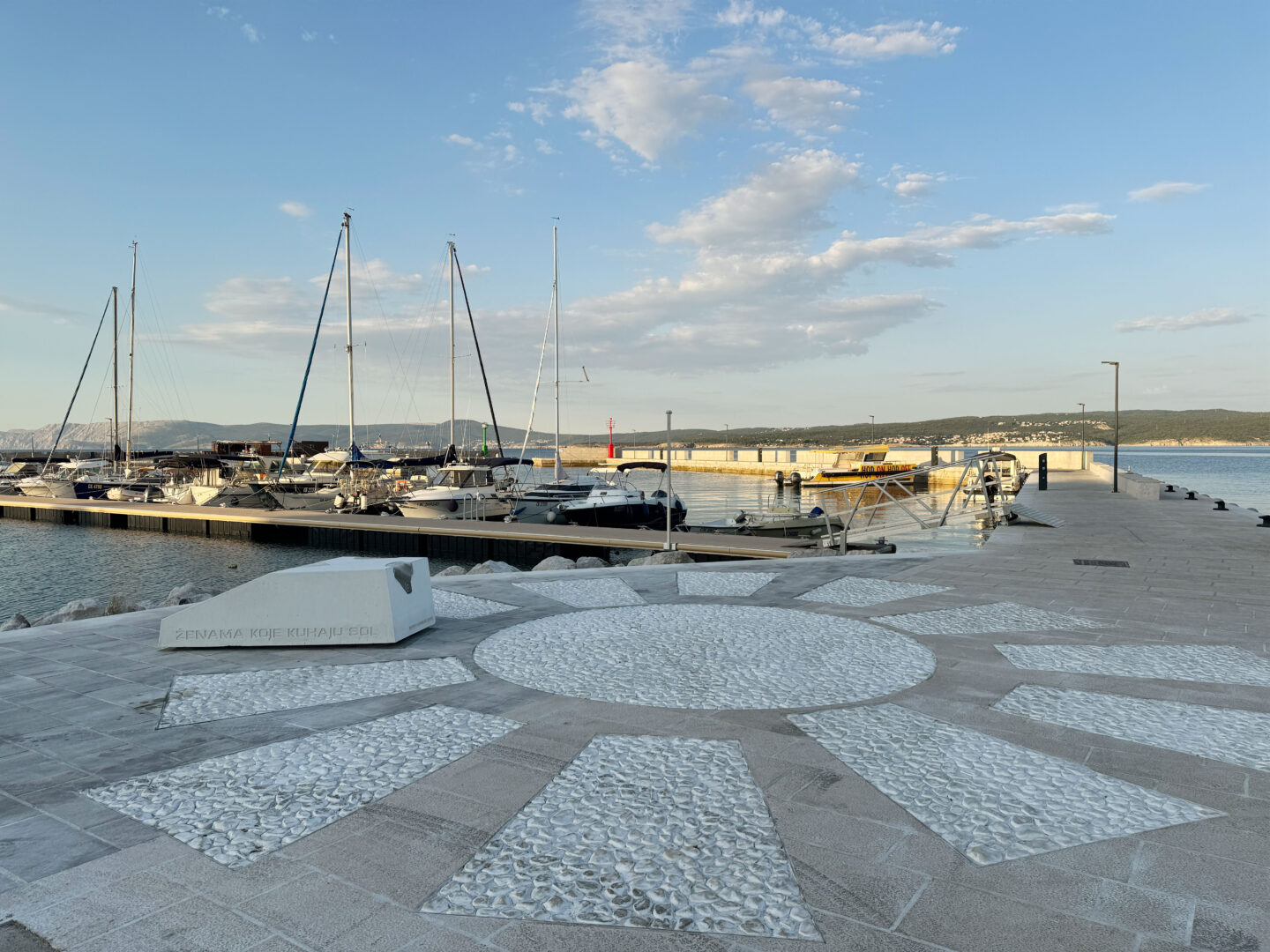
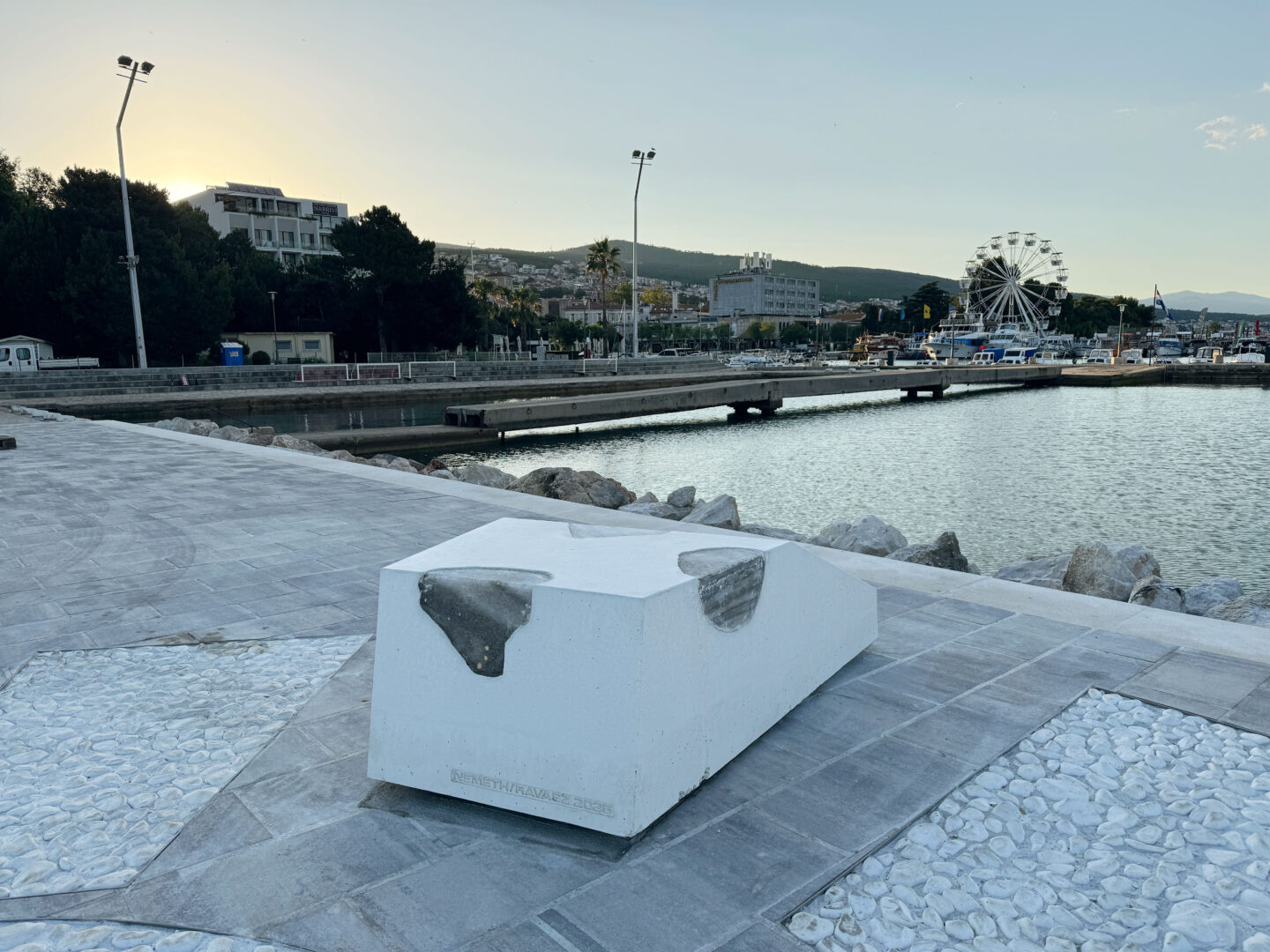
Monument to Salt-Cooking Women, 2021-2026

In collaboration with Marián Ravasz
Architectural project of the site: NFO Architecture Studio, Zagreb

Permanent monument in public space
Concrete, salt-stone, 8 videos, metal signs, walk

Strossmayerovo šetalište and Park Vladimira Nazora, Crikvenica, Croatia


Monument to Salt-Cooking Women,
2021-2026
(Location)

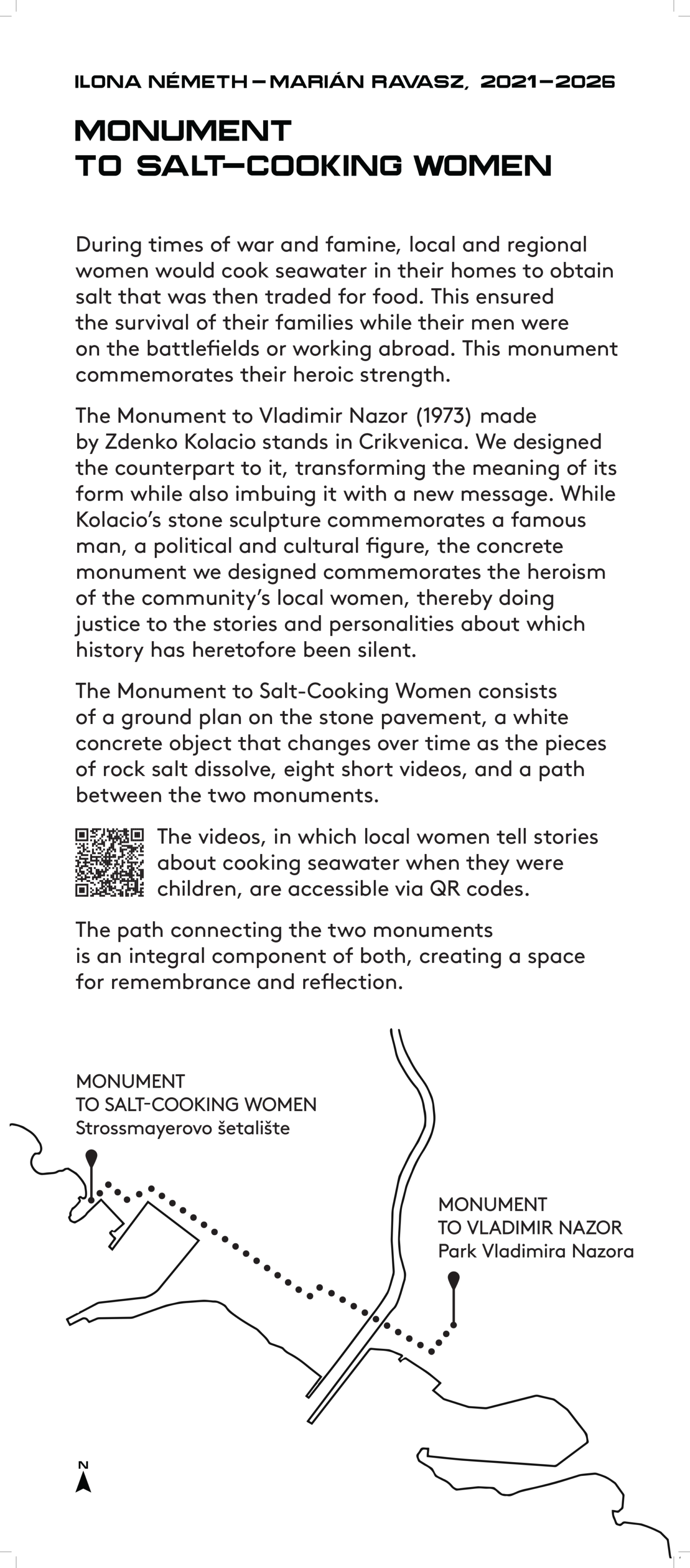
During times of war and famine, local and regional women would cook salt from seawater in their homes to exchange it for food. This ensured the survival of their families while their men fought in wars or worked abroad. This monument commemorates their heroic strength.

In Crikvenica, there is the Monument to Vladimir Nazor (1973), an artwork by Zdenko Kolacio. We designed the counterpart to this monument. We transformed the Nazor monument, changing the meaning of its form while also giving it a new message. While Zdenko Kolacio's stone sculpture composition commemorates a famous man, a political and cultural figure, the concrete monument we designed commemorates the heroism of a local women's community, thereby doing justice to the stories and characters that history has been silent about.

The Monument to Salt-Cooking Women consists of a ground plan appearing in the stone pavement, a white concrete object that changes in real time as the pieces of rock salt evaporate, eight short videos, and a walk between the two monuments.

The videos, in which local women tell stories about how they cooked salt in their childhood, are accessible via QR codes.

The walk connecting the two monuments is an integral part of the monuments, creating a space for remembrance and critical reflection.
Zdenko Kolacio: Monument to Valdimir Nazor, 1973
(Location)

Zdenko Kolacio's stone sculpture composition commemorates a famous man - Vladimir Nazor, a politician, poet, and cultural figure. We designed a counterpart to this monument - the Monument to Salt-Cooking Women. We transformed the Nazor monument, changing the meaning of its form while also giving it a new message. During times of war and famine, local and regional women would cook salt from seawater in their homes to exchange it for food. This ensured the survival of their families while their men fought in wars or worked abroad. The Monument to Salt-Cooking Women pays tribute to the heroism of local women, doing justice to stories and characters that have been underrepresented in history.
The walk connecting the two monuments is an integral part of the monuments, creating a space for remembrance and critical reflection.