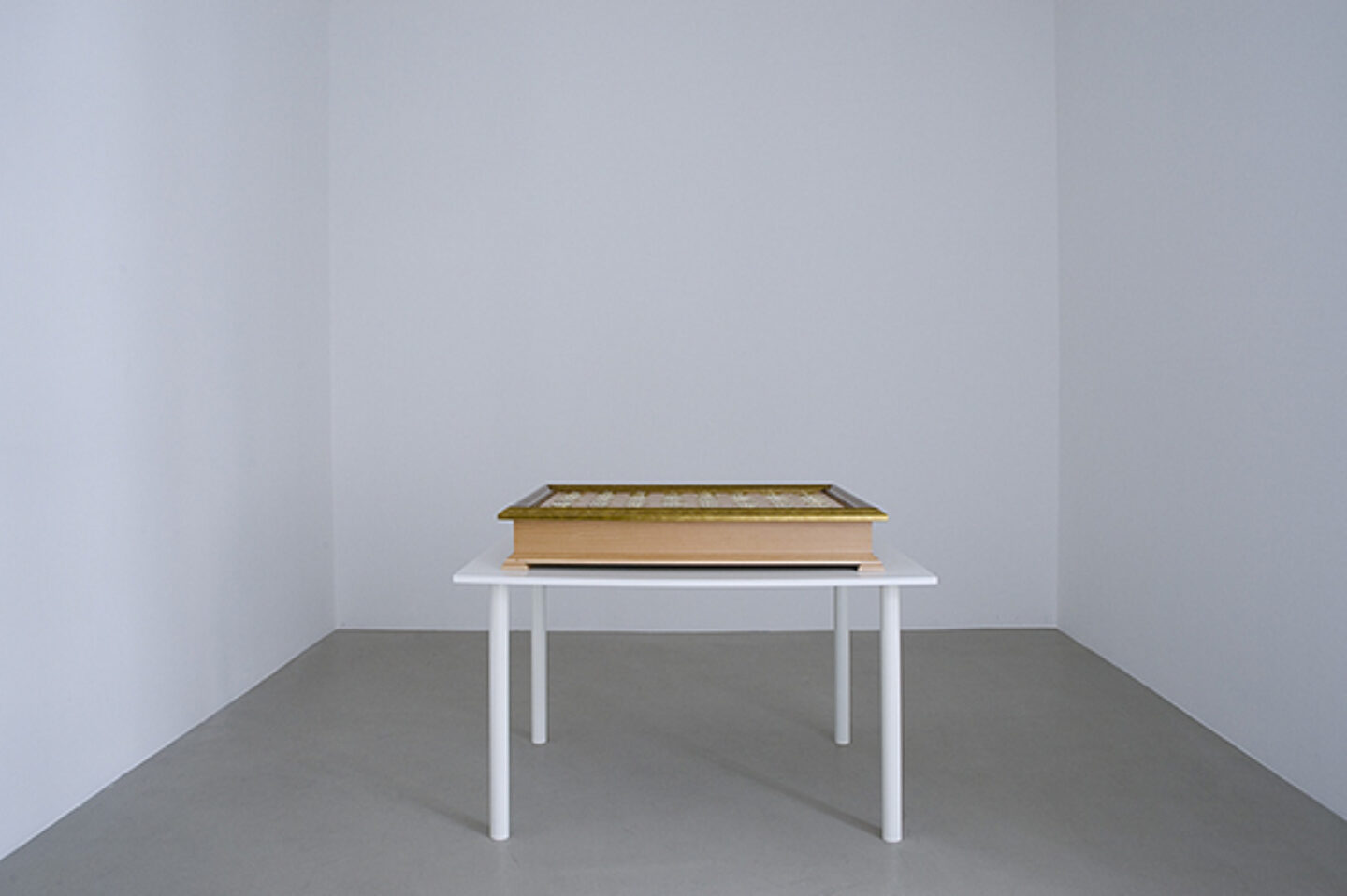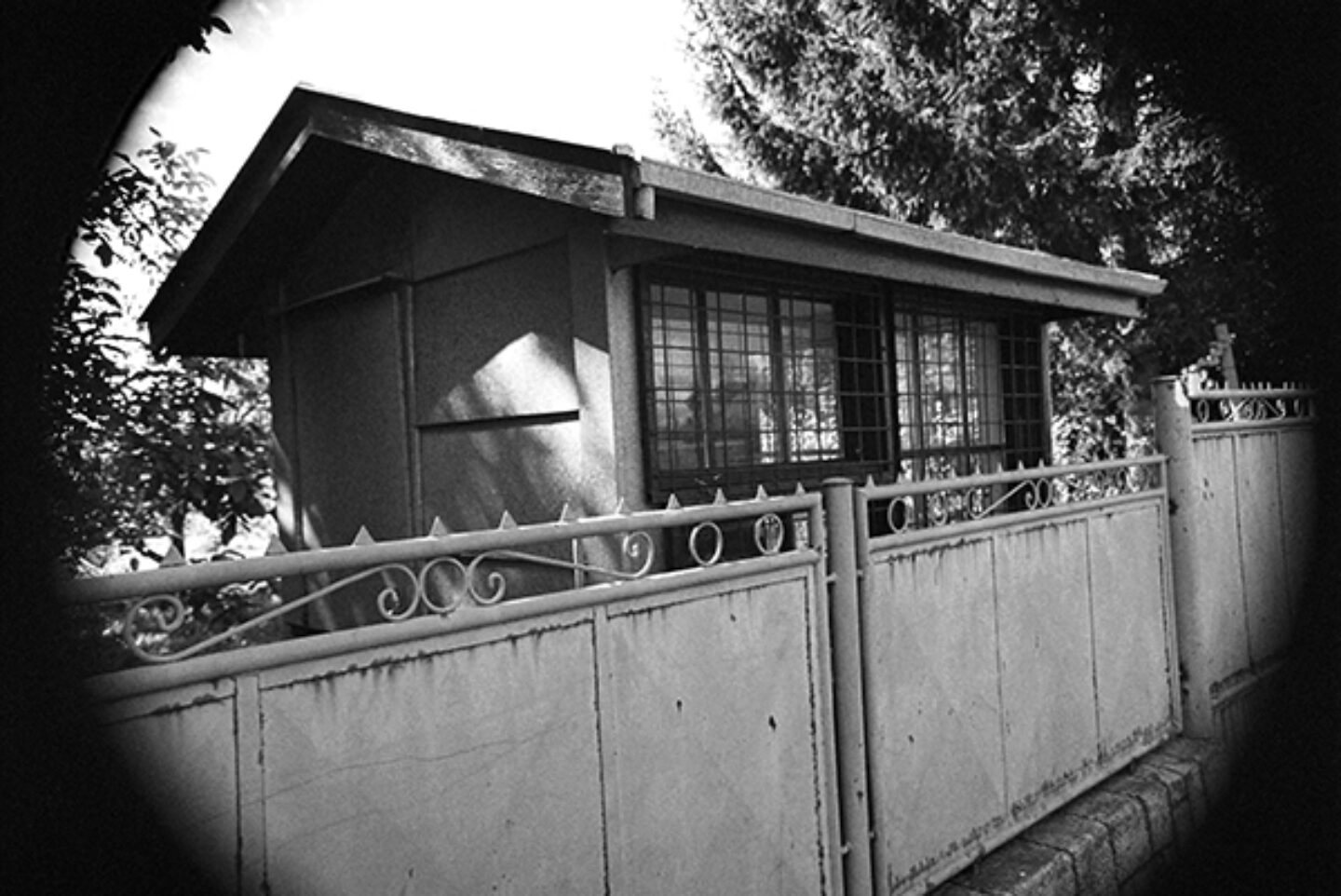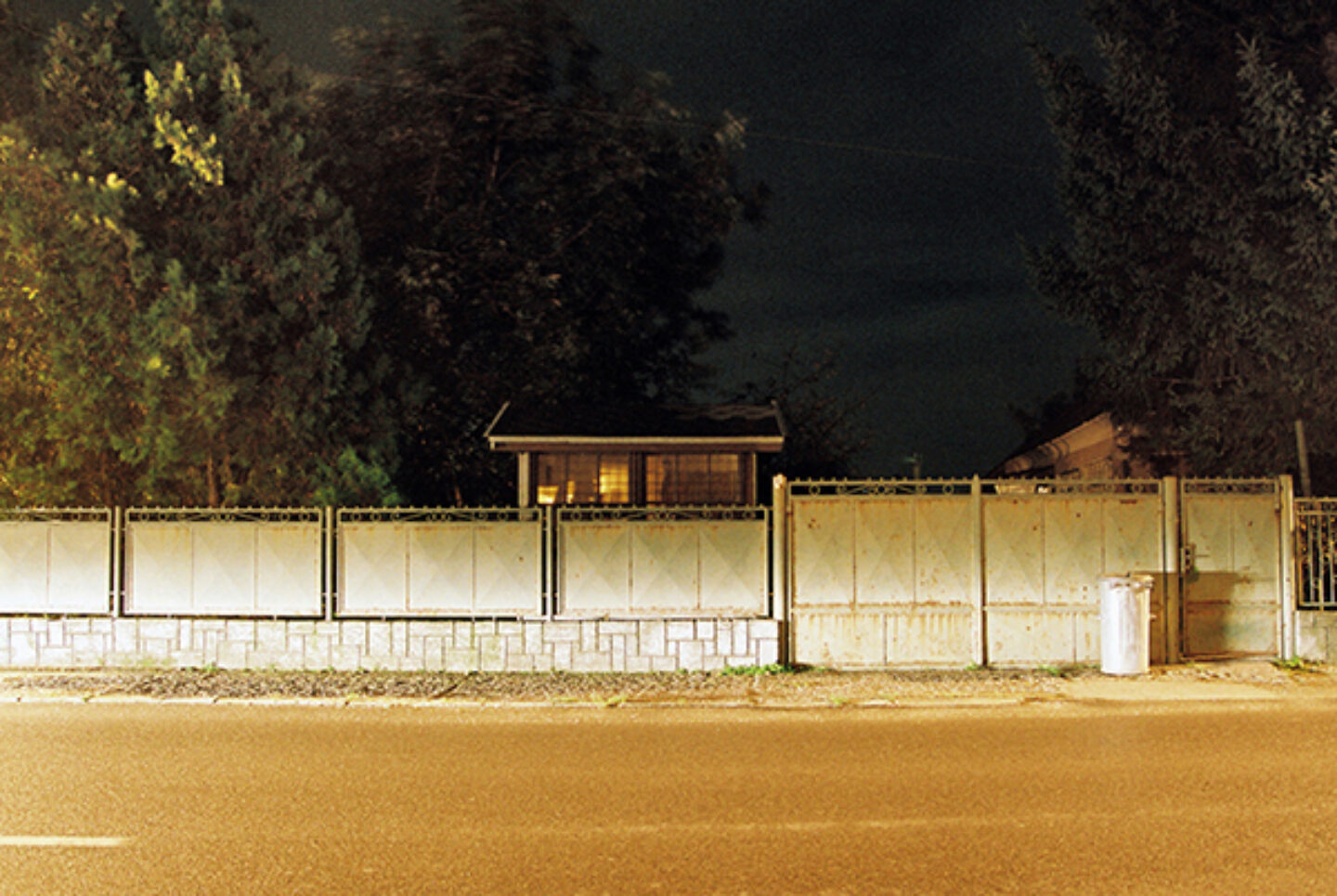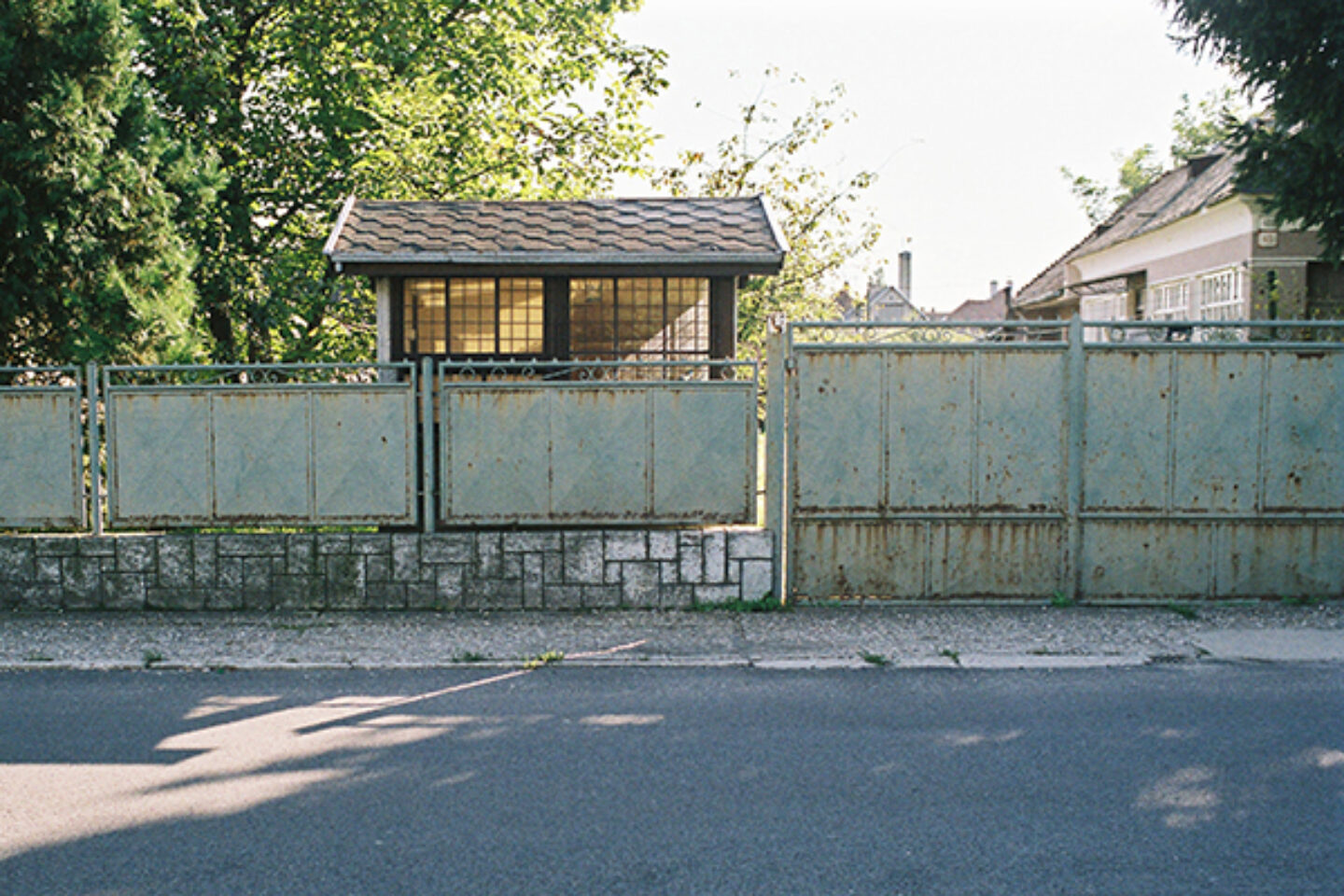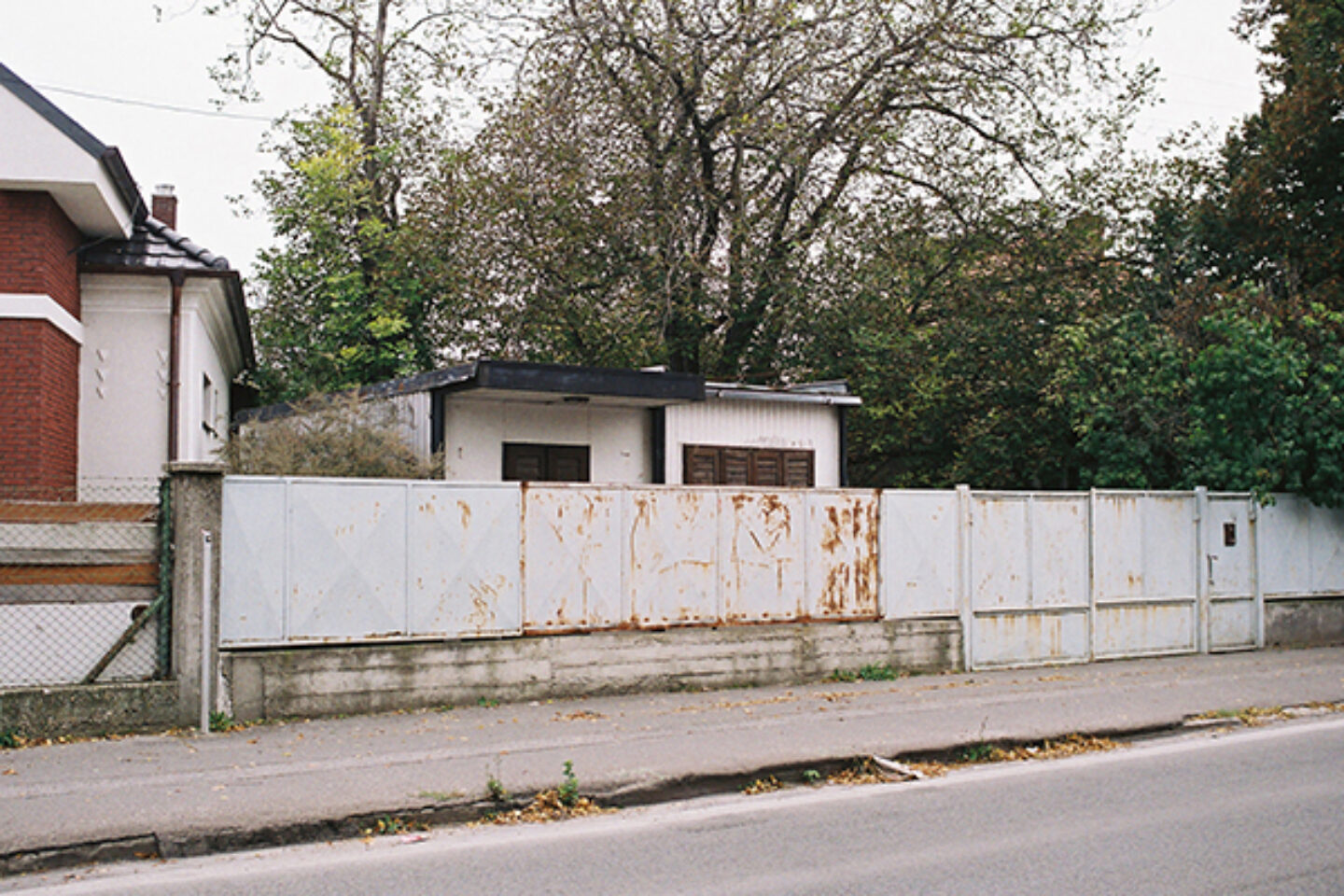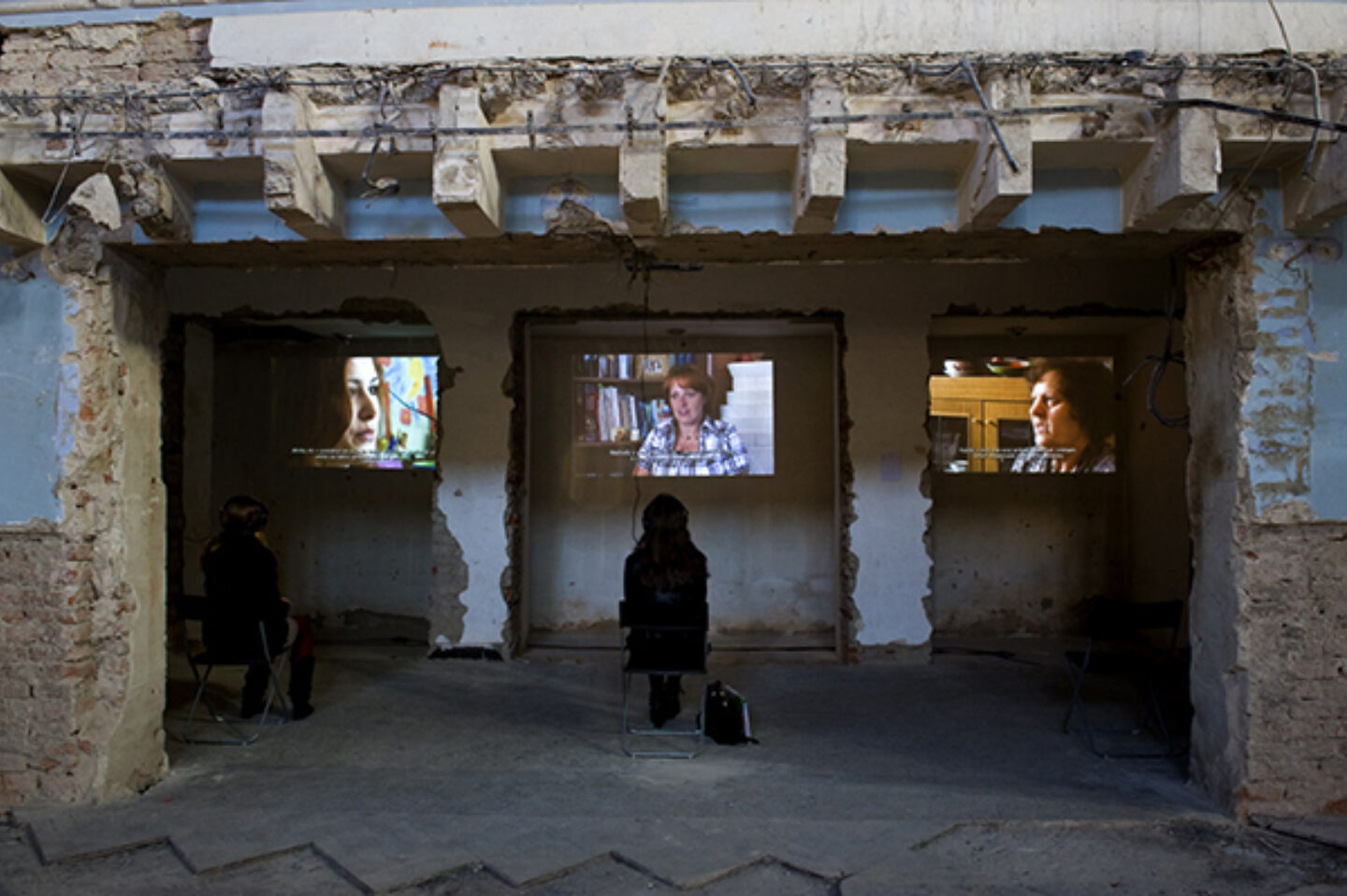
Mud Wrestling

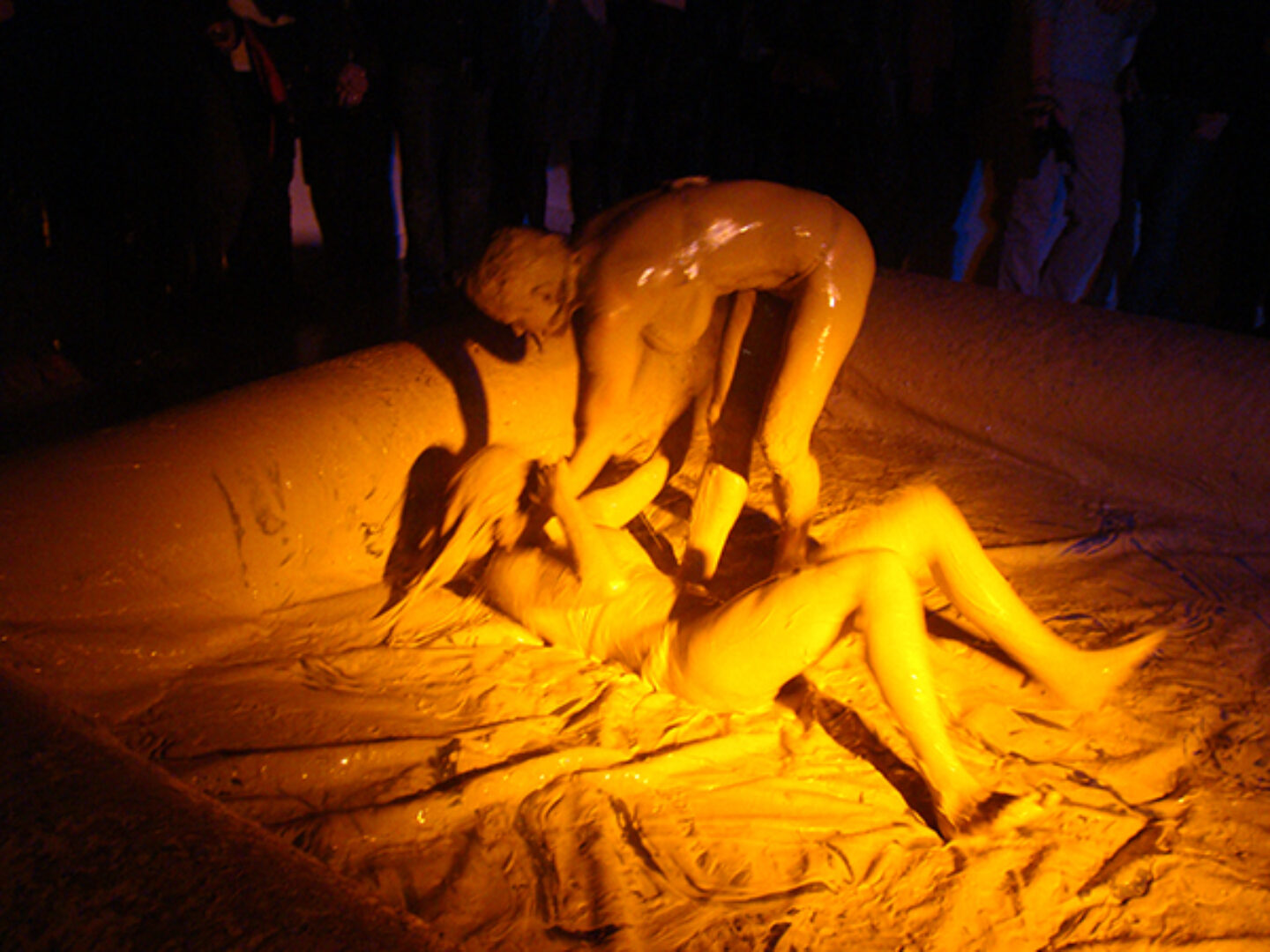
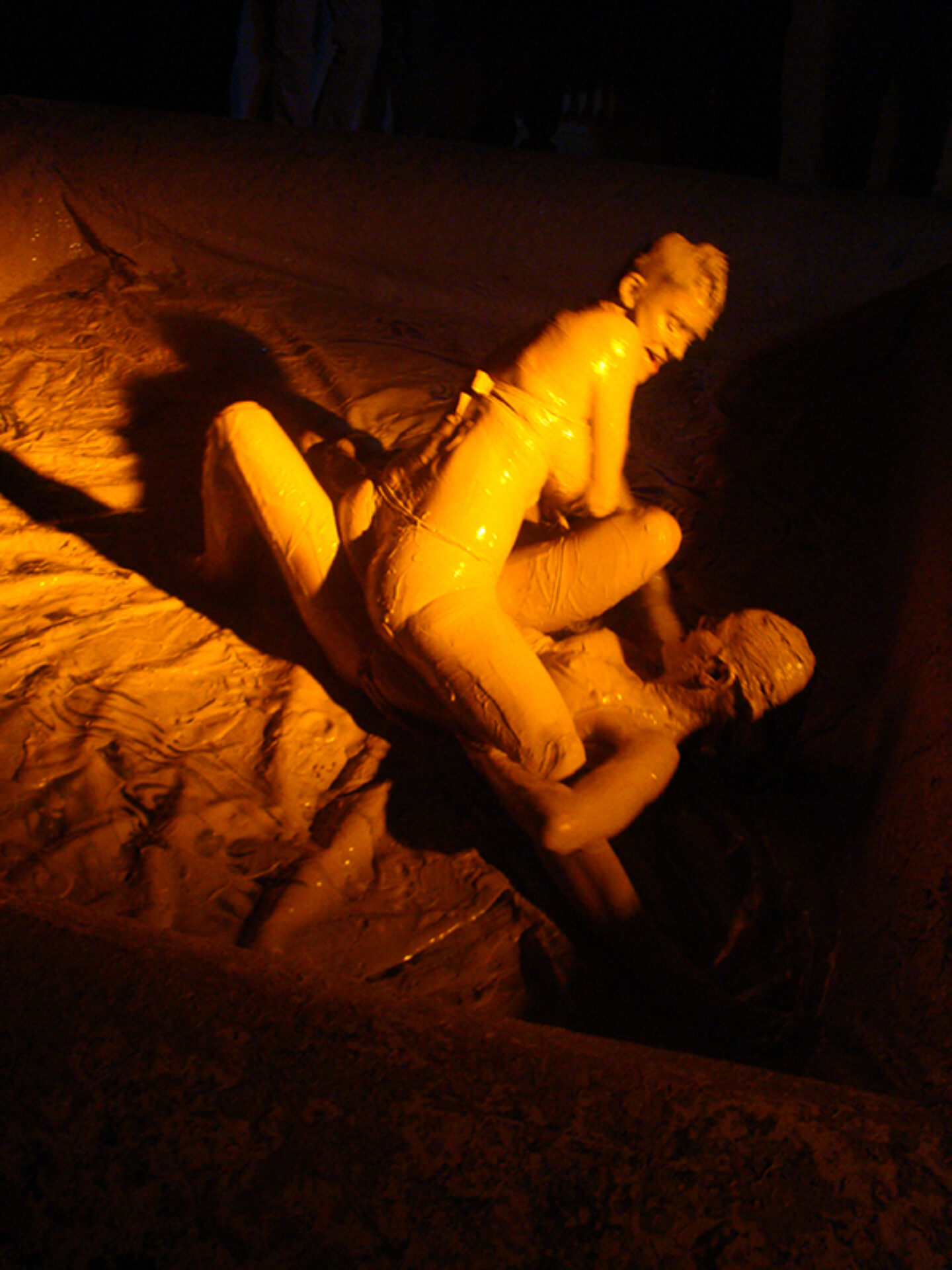
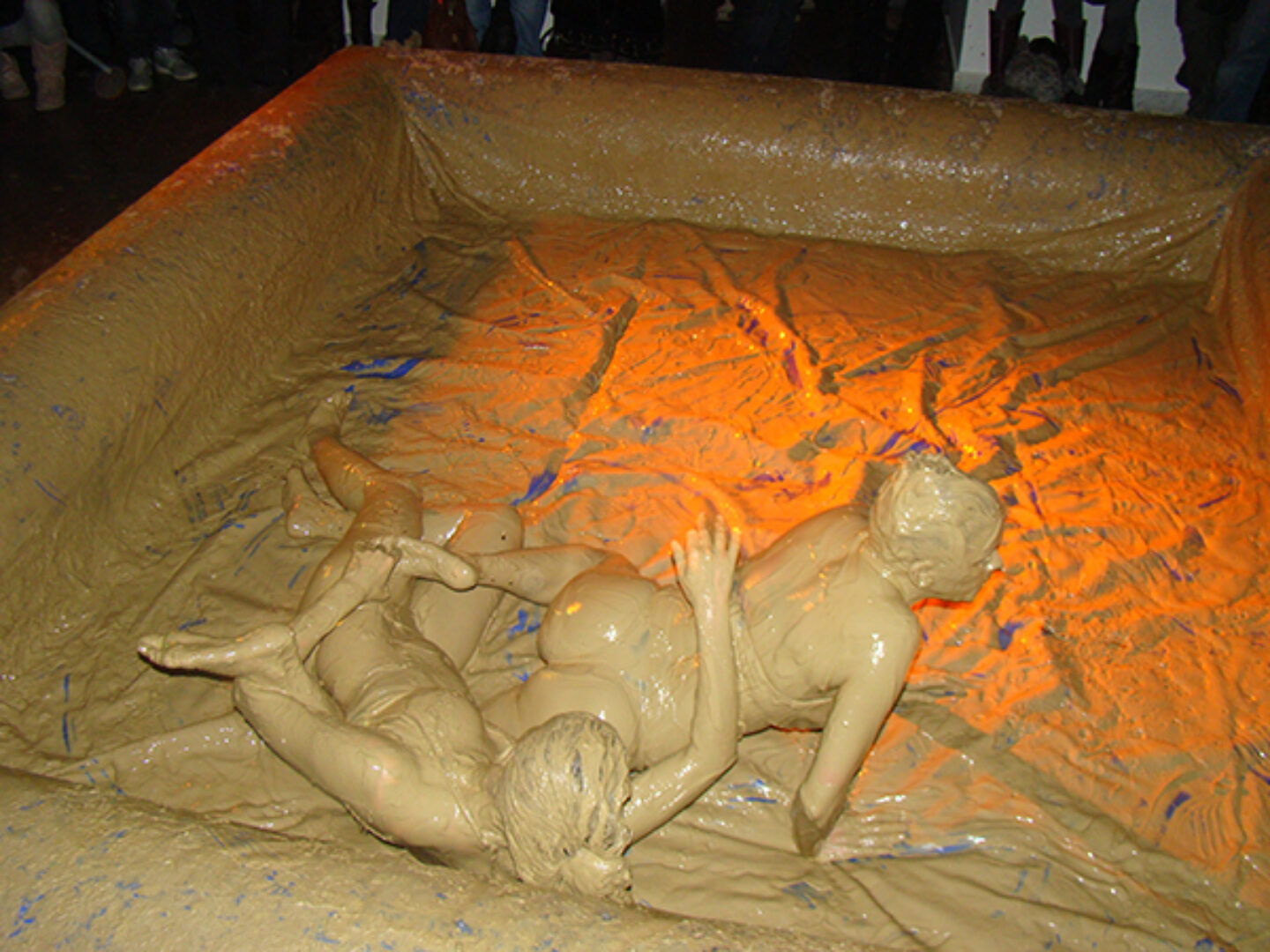
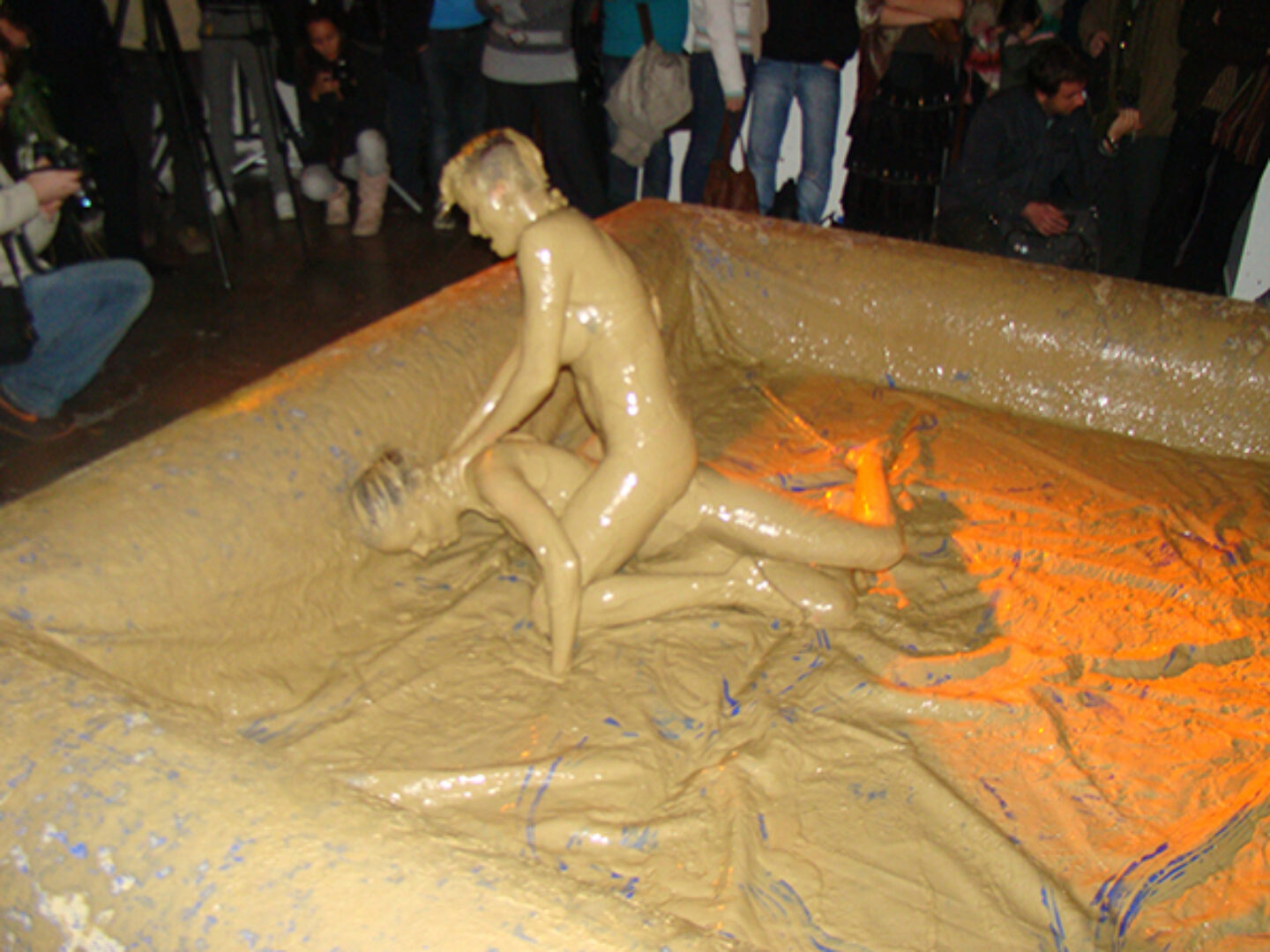
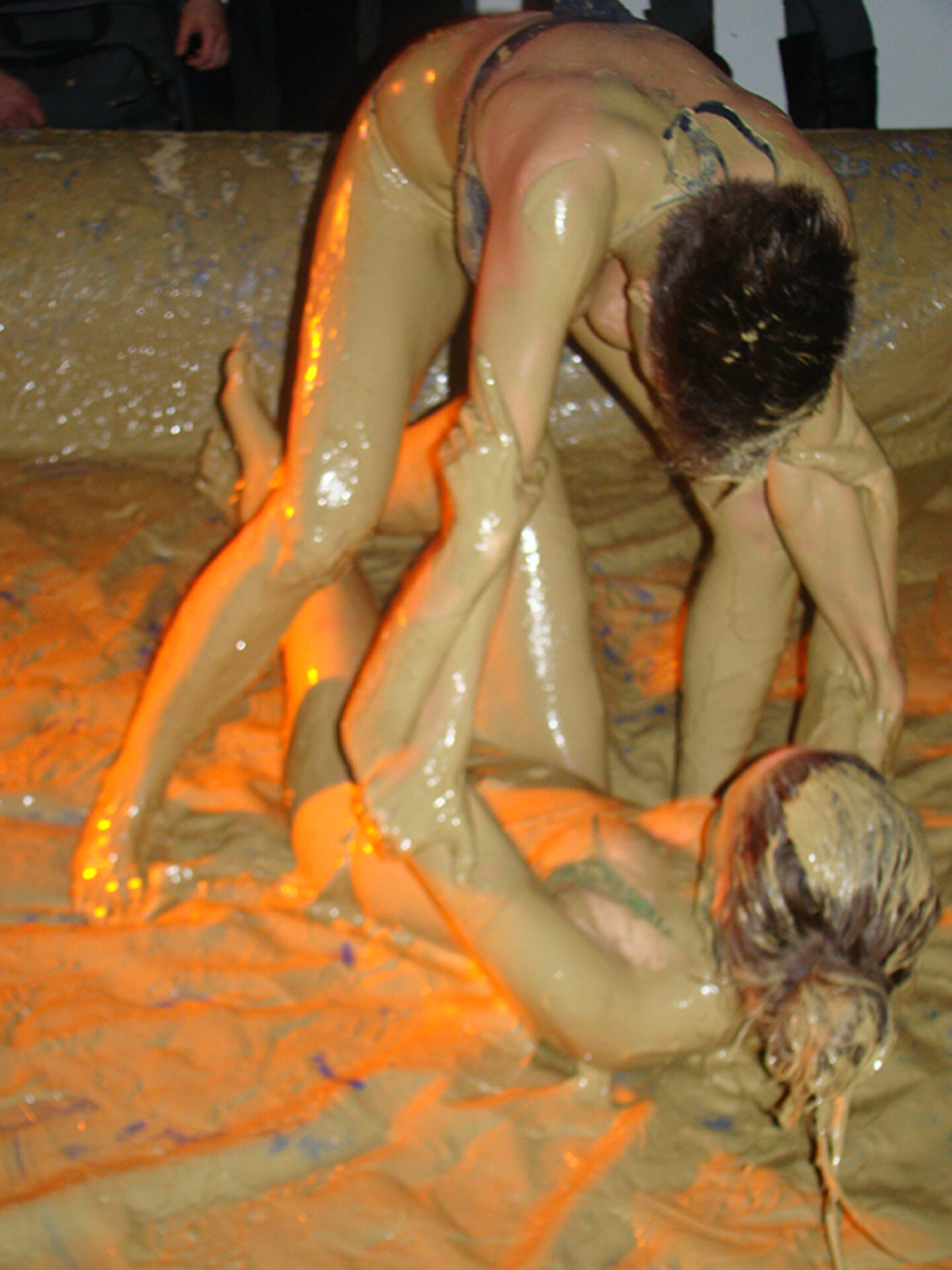
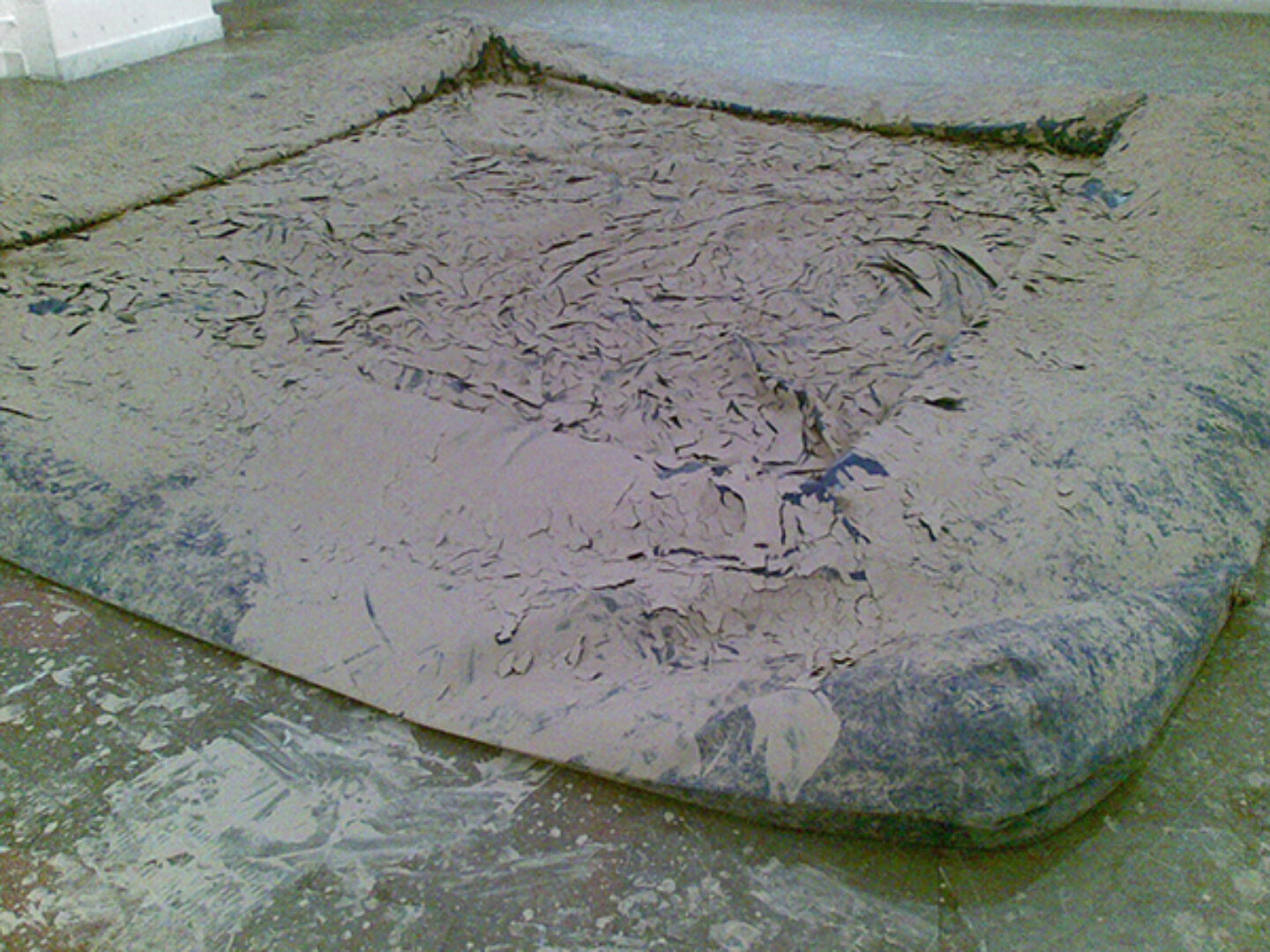
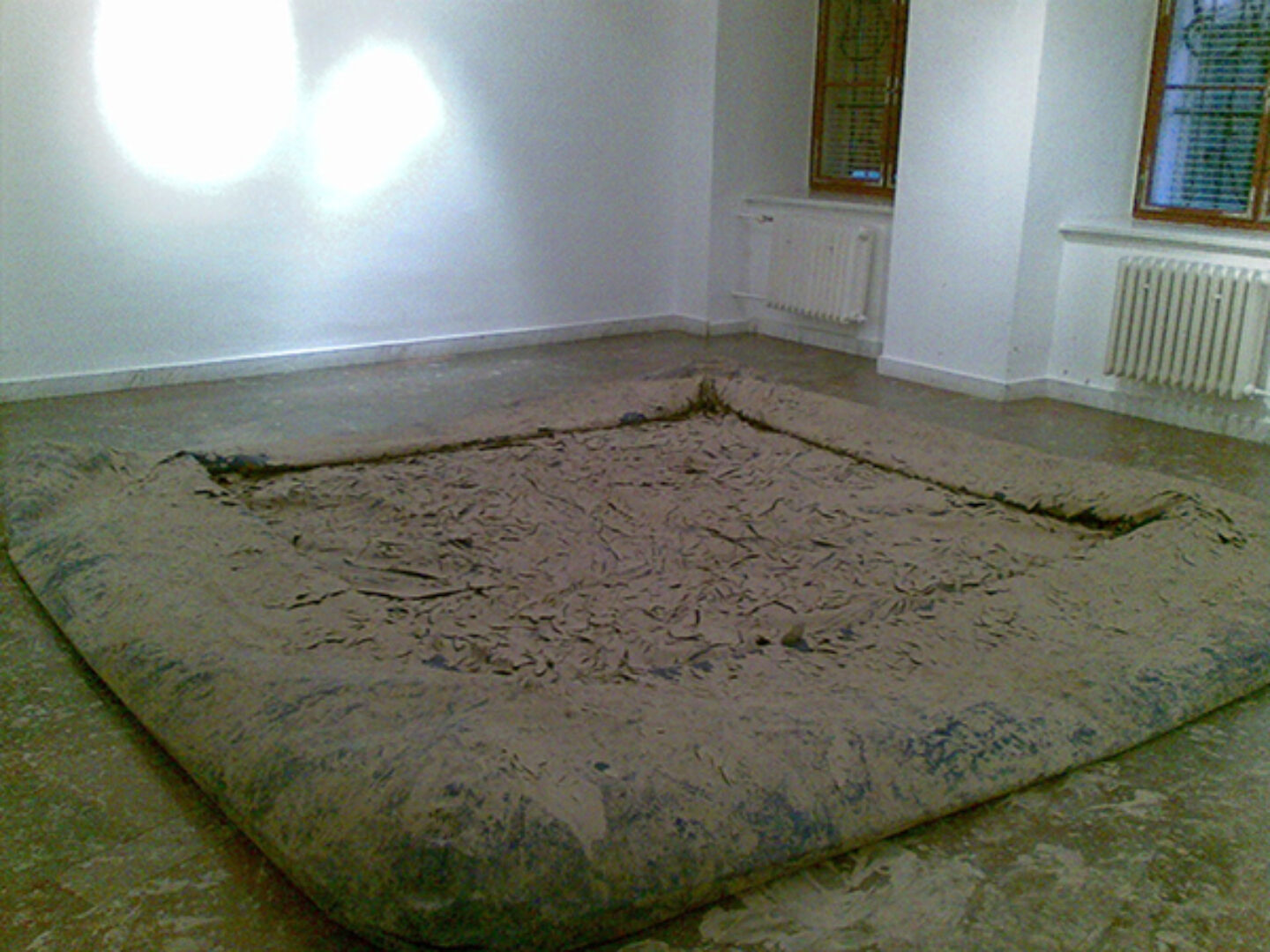
Mud Wrestling, 2009
Performance, installation
Pool, mud, video
Location: Bratislava City Gallery, Slovakia
Photos by Marián Ravasz

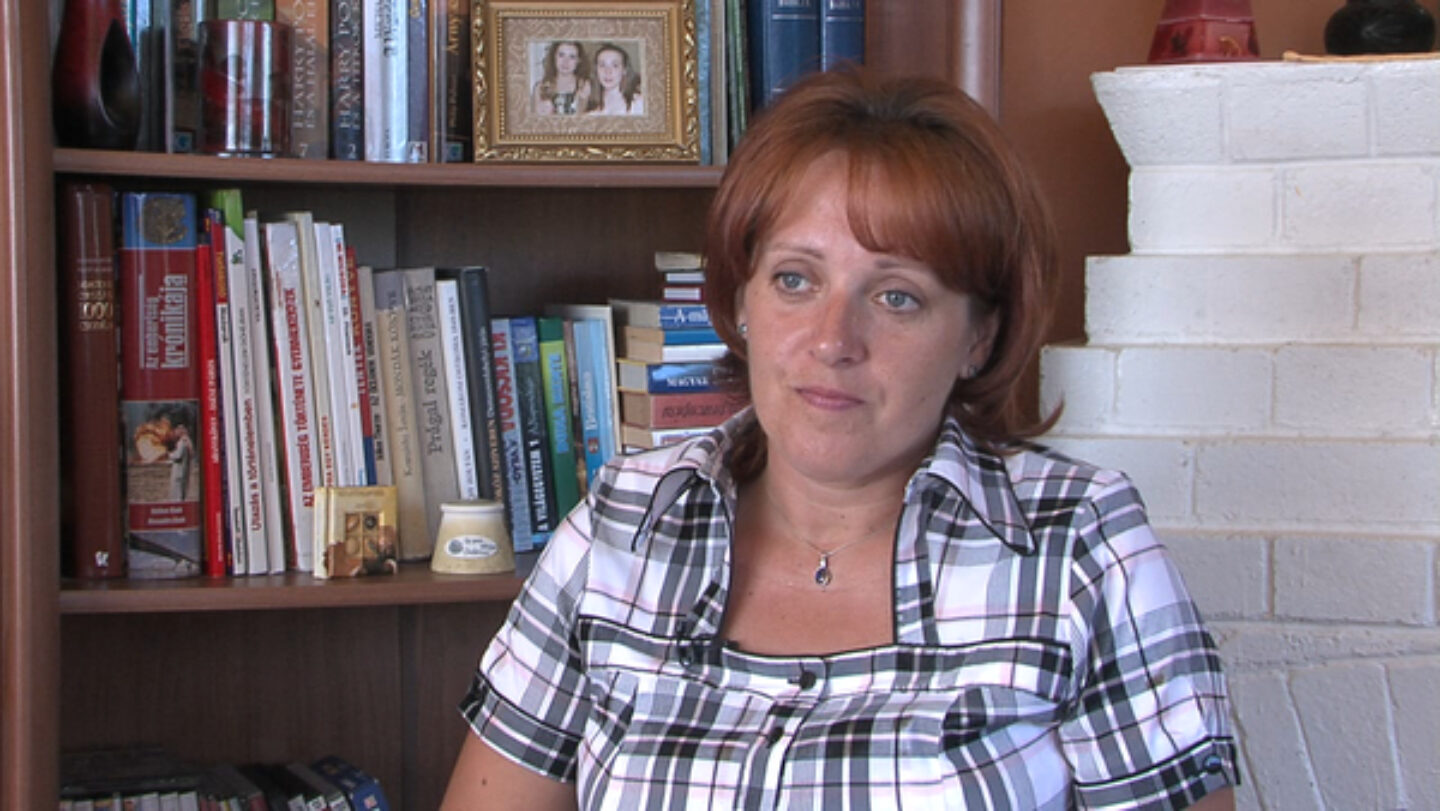
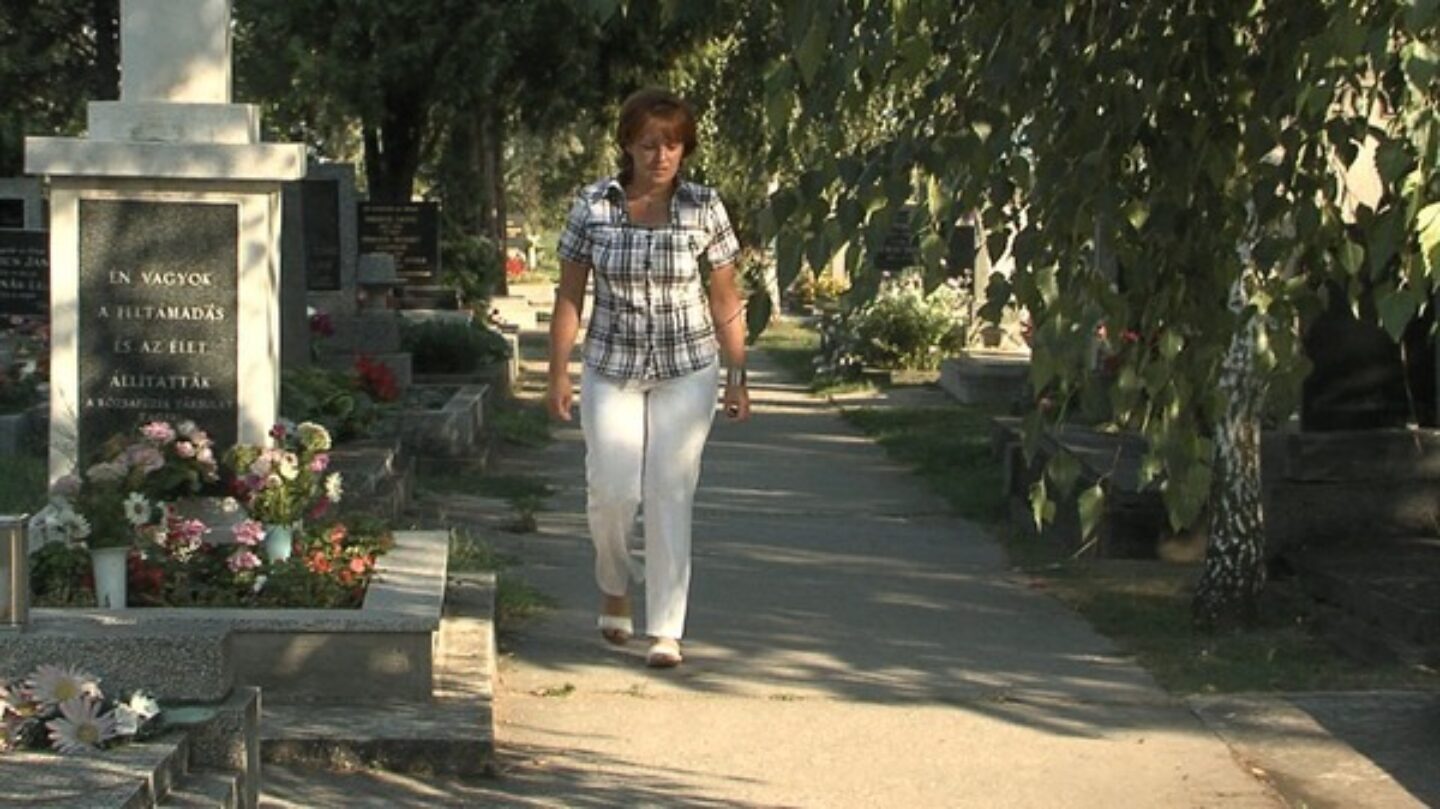
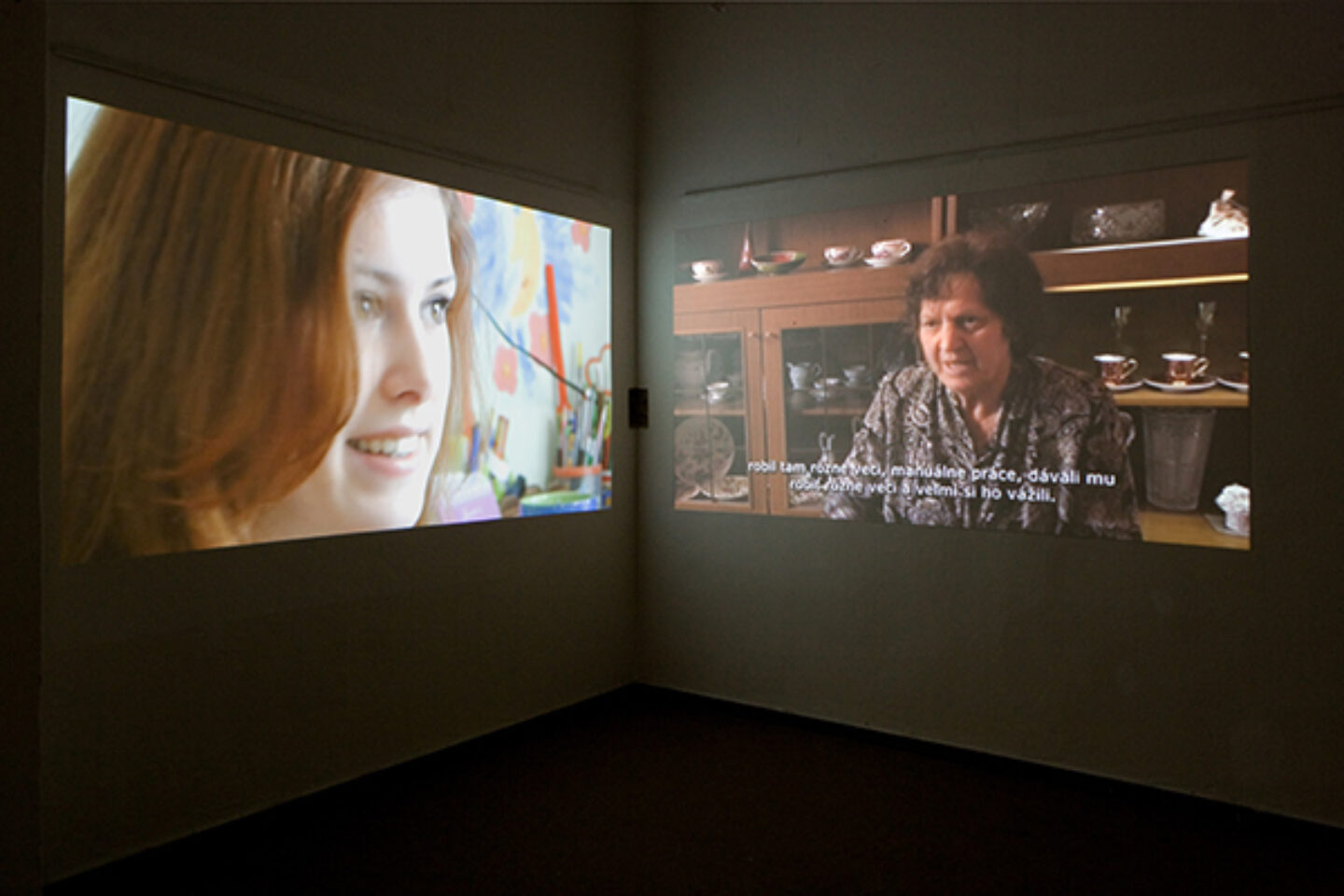
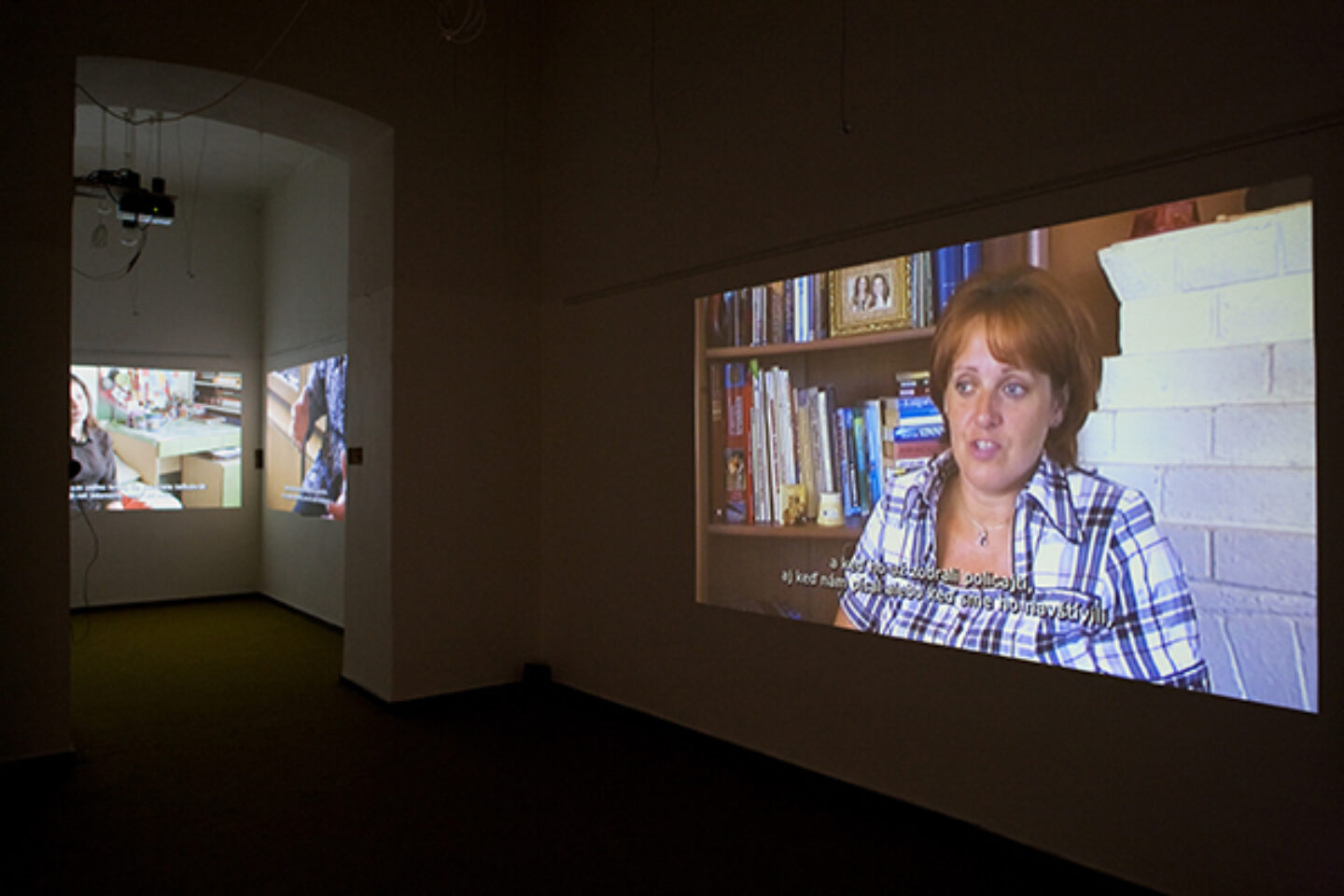
“The collaboration of Martin Piaček and Ilona Németh dates back to 2009, when they held a joint exhibition at the City Gallery in Bratislava. The show was inspired by the continuous deterioration of Slovak-Hungarian relations – primarily in the field of politics and media. The Hungarian and the Slovakian artist started a conversation and a collaboration. The result of their cooperation is a statue by Martin Piaček inspired by the Benes decrees and a performance by Ilona Németh entitled Mud Wrestling and its presentation in the form of a video installation. In her work, the artist commented on contemporary political culture, introducing the notion of “political mud wrestling” to the context of the Slovak language.” [www.b2-org.hu]

Video
Location: Prague Biennale 5, Microna, Praha, Czech Republic
Video by Peter Barényi
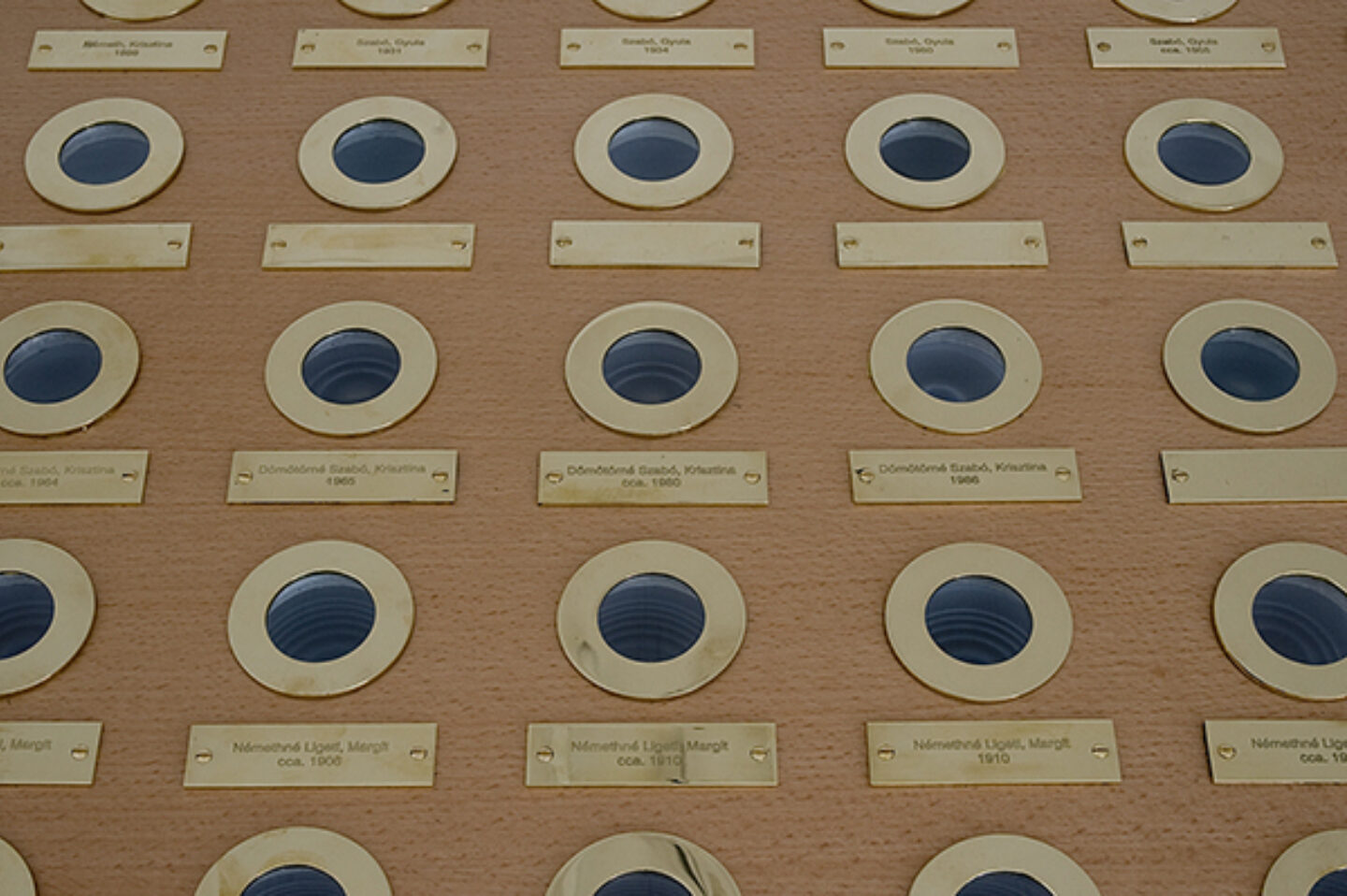
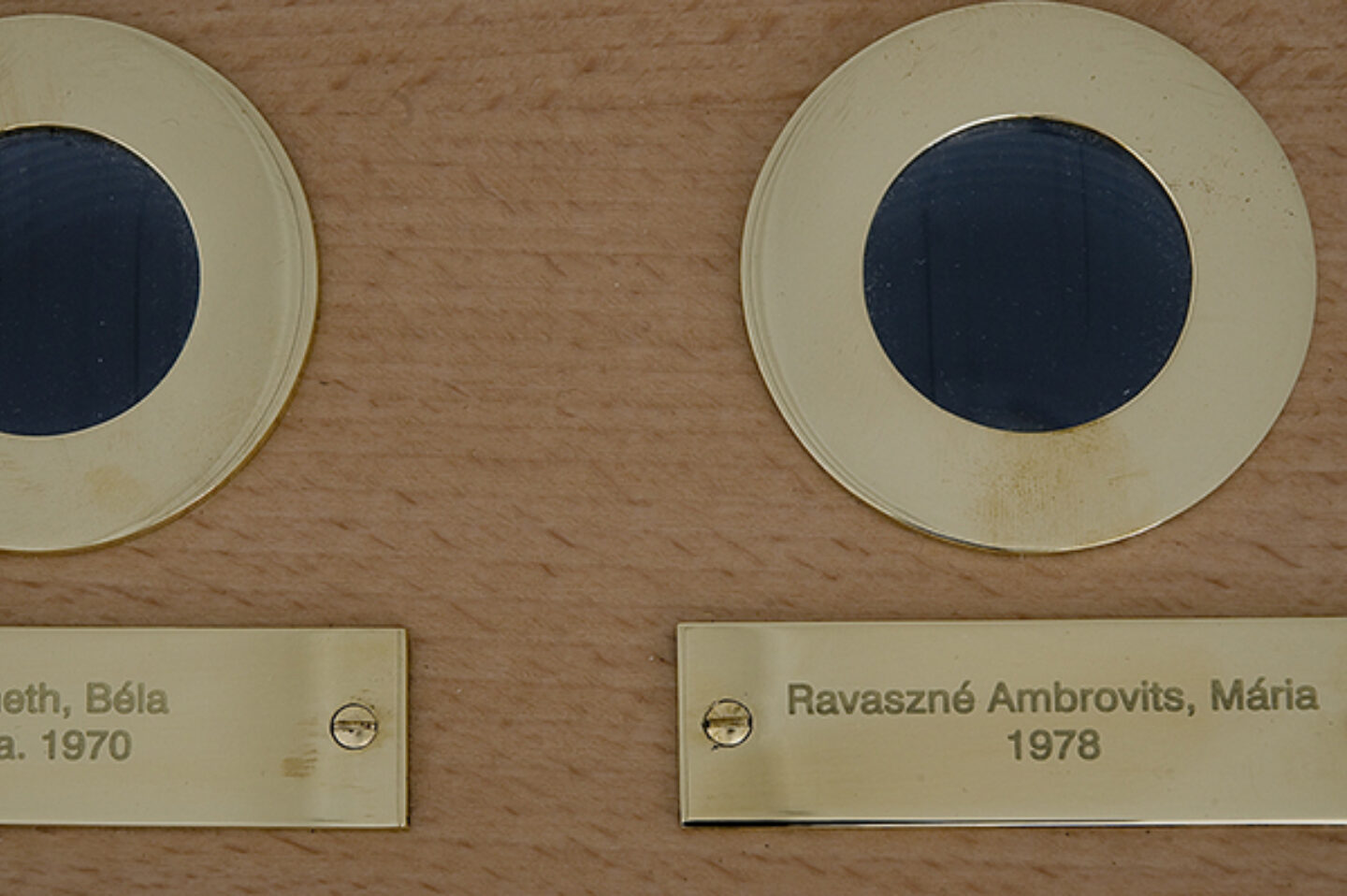
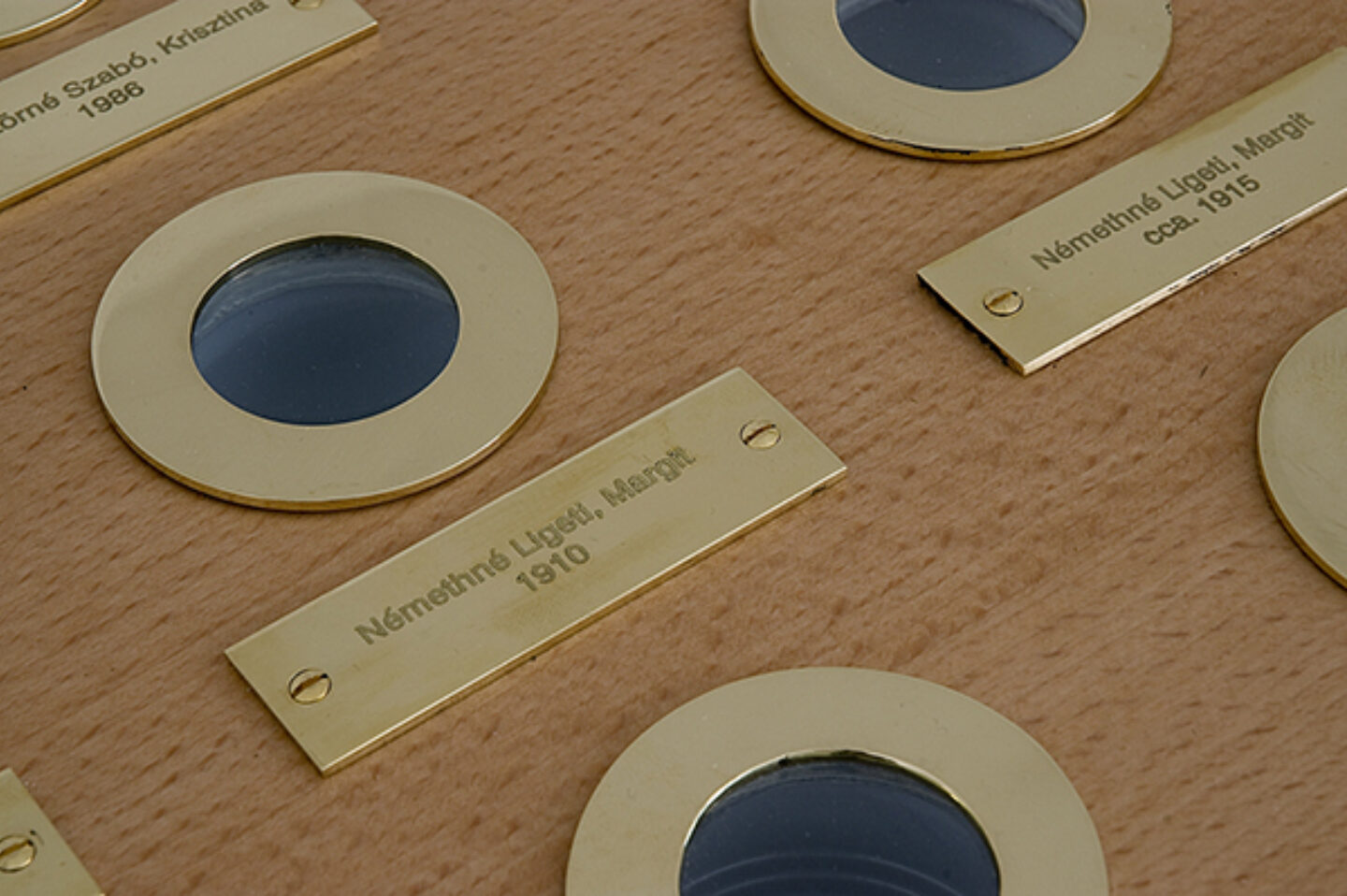
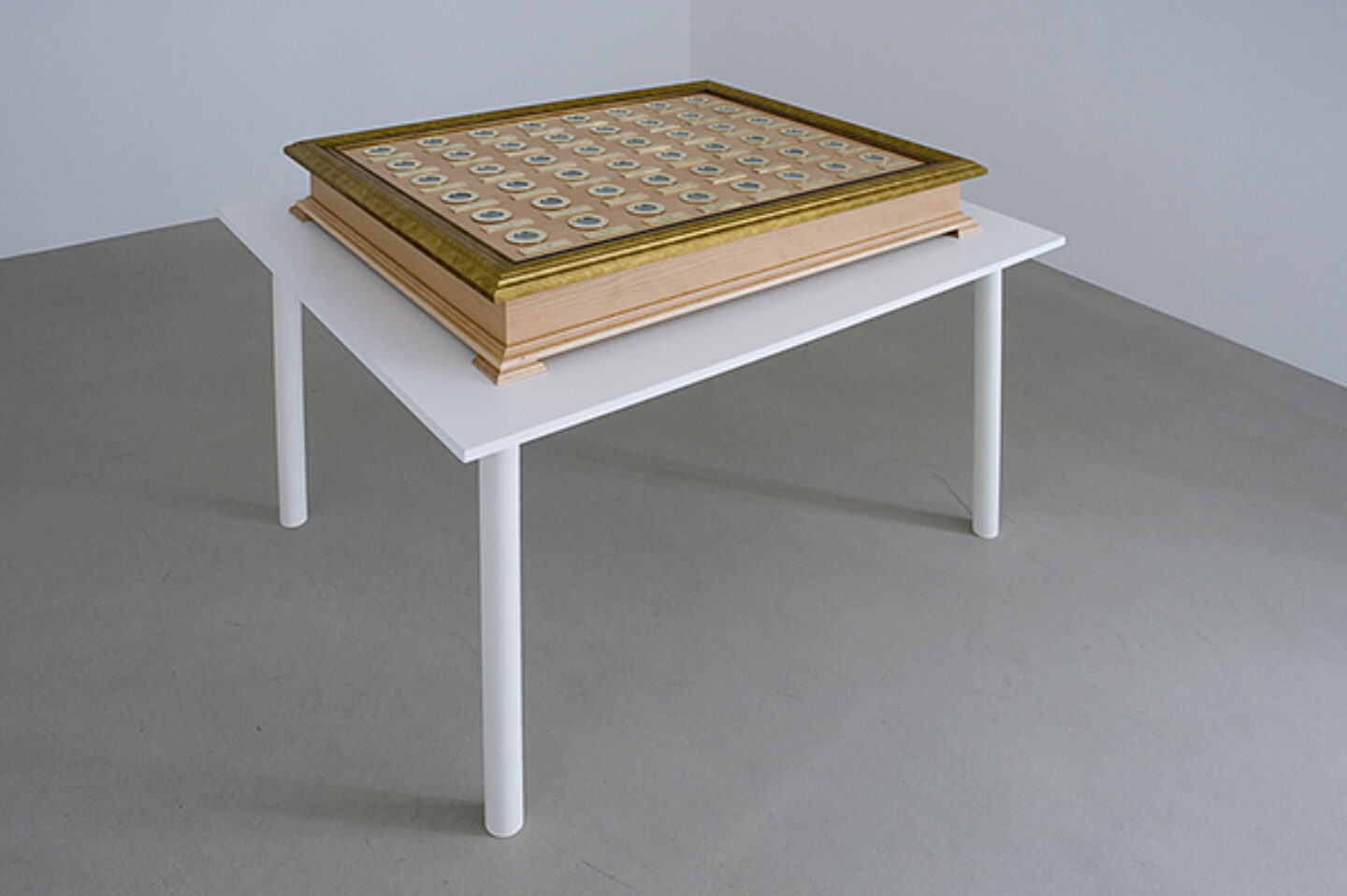
Family Reliquiary

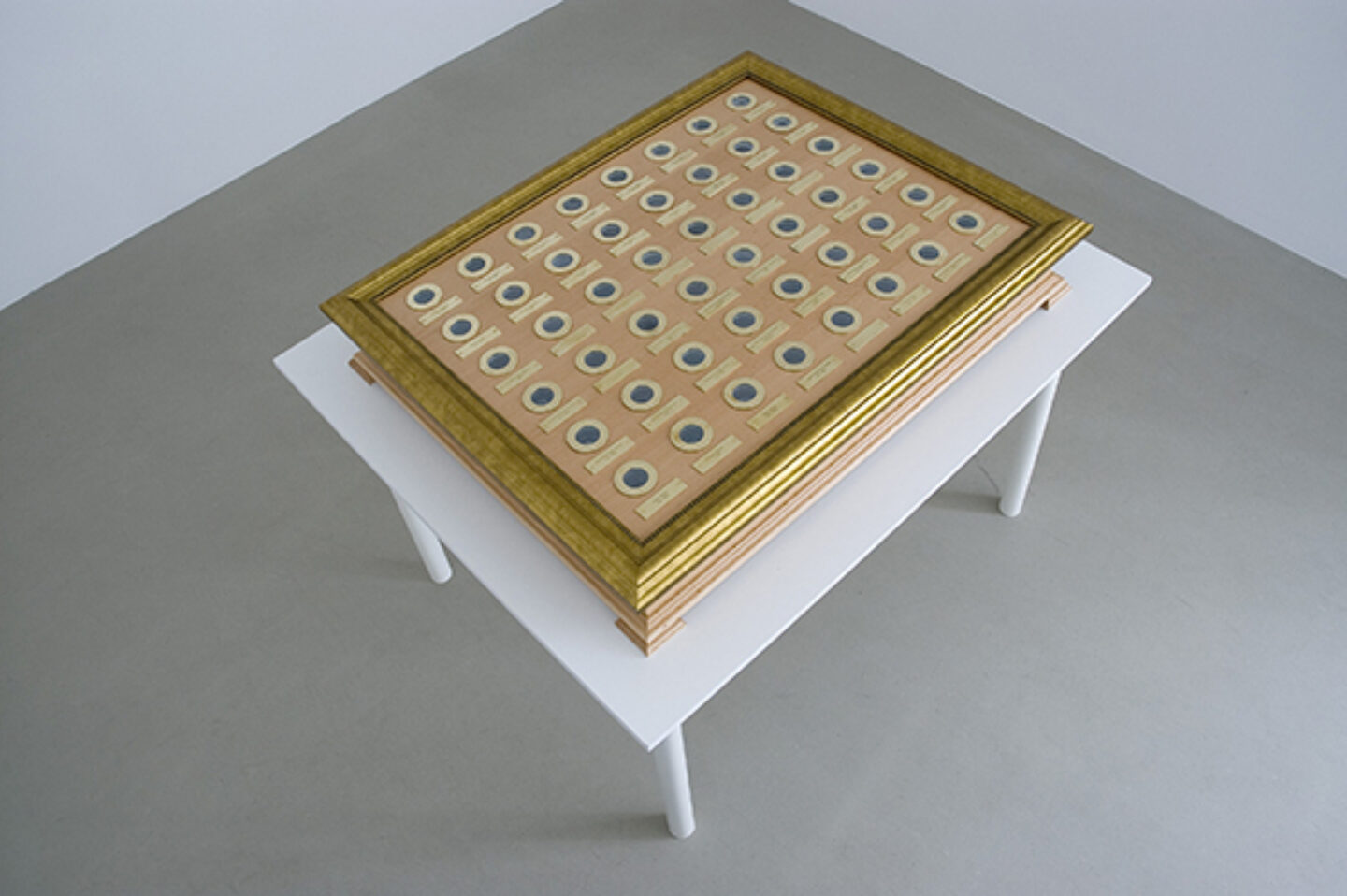
Family Reliquiary, 2000
Object

90 x 130 cm
Wood, metal, various objects
Photos by Marko Horban

“The second phenomenon, ilona nemeth is interested in, is a family reliquary. she has been collecting different objects after her ancestors and family members. she is interested in family memory, the reconstruction of the past and the influence of history on a person,she is trying to treat the collection in different ways.” [amtproject.sk]

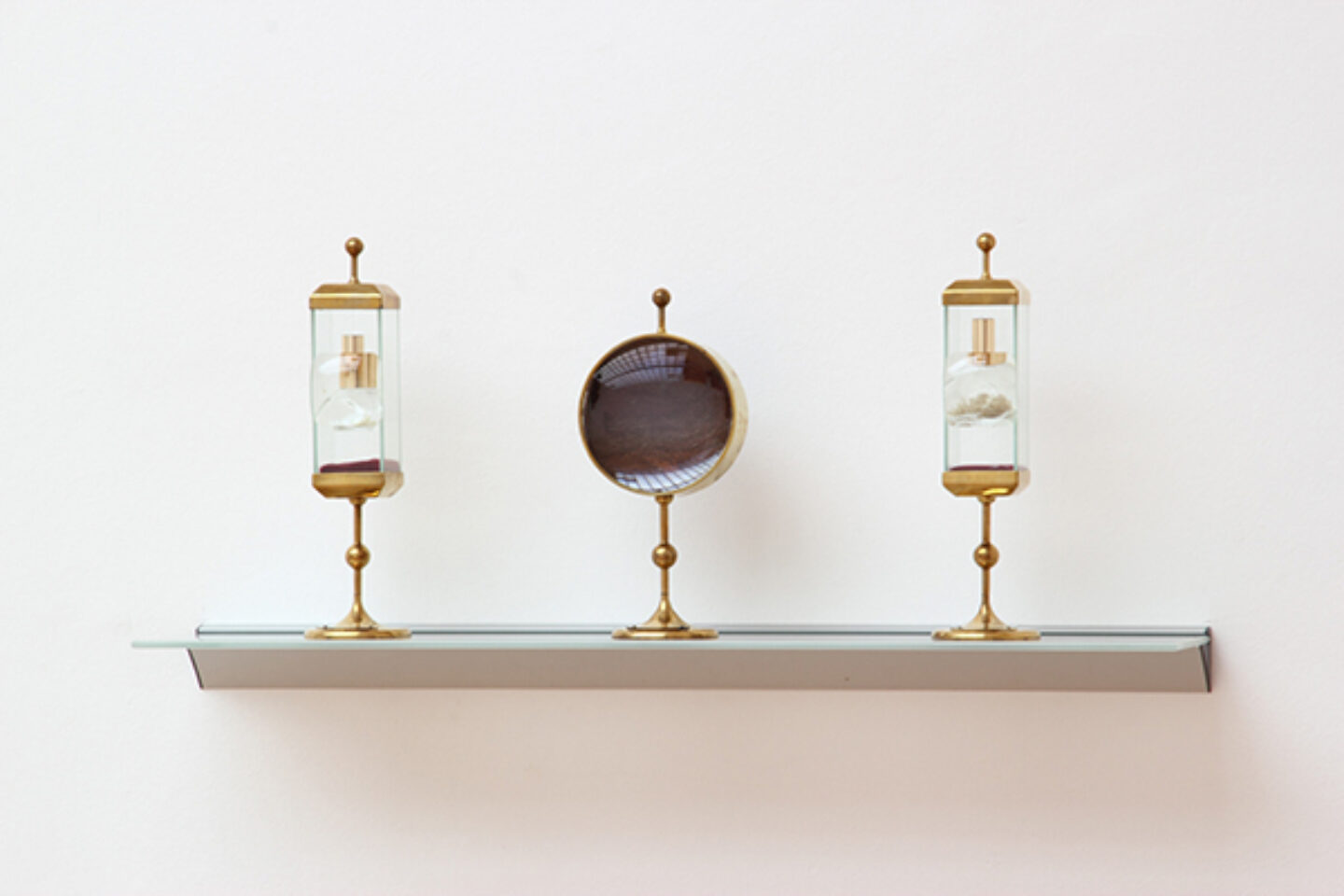
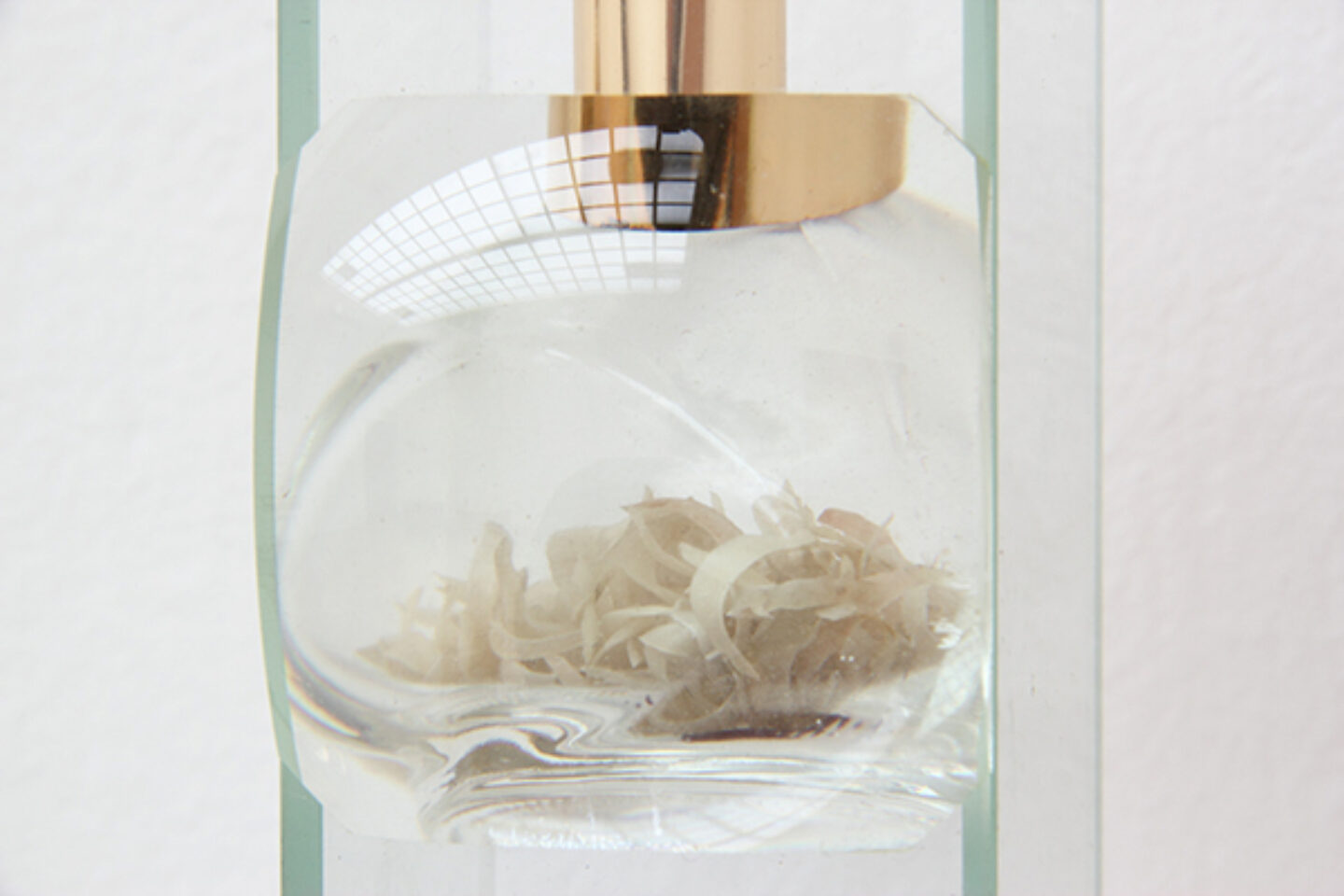
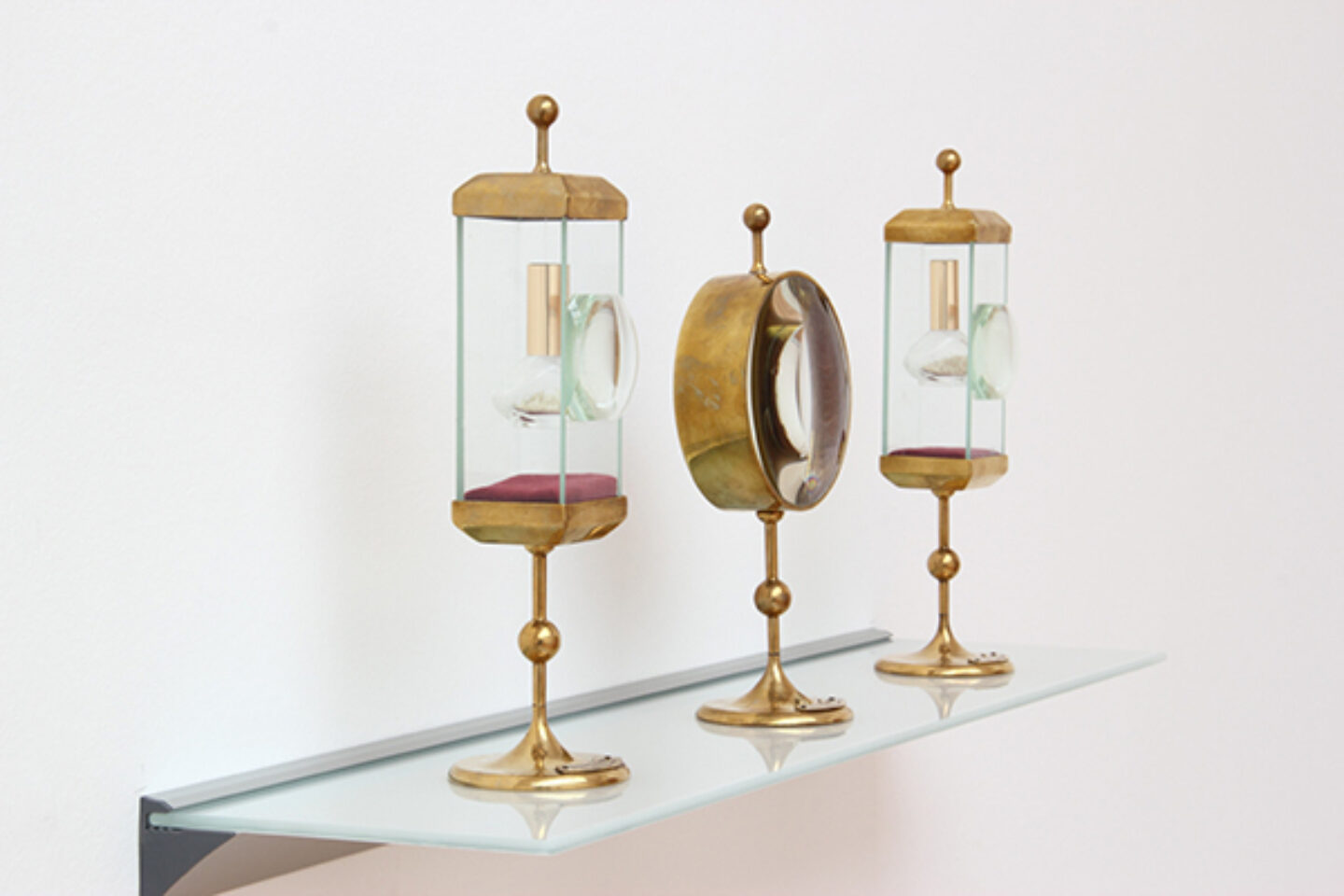
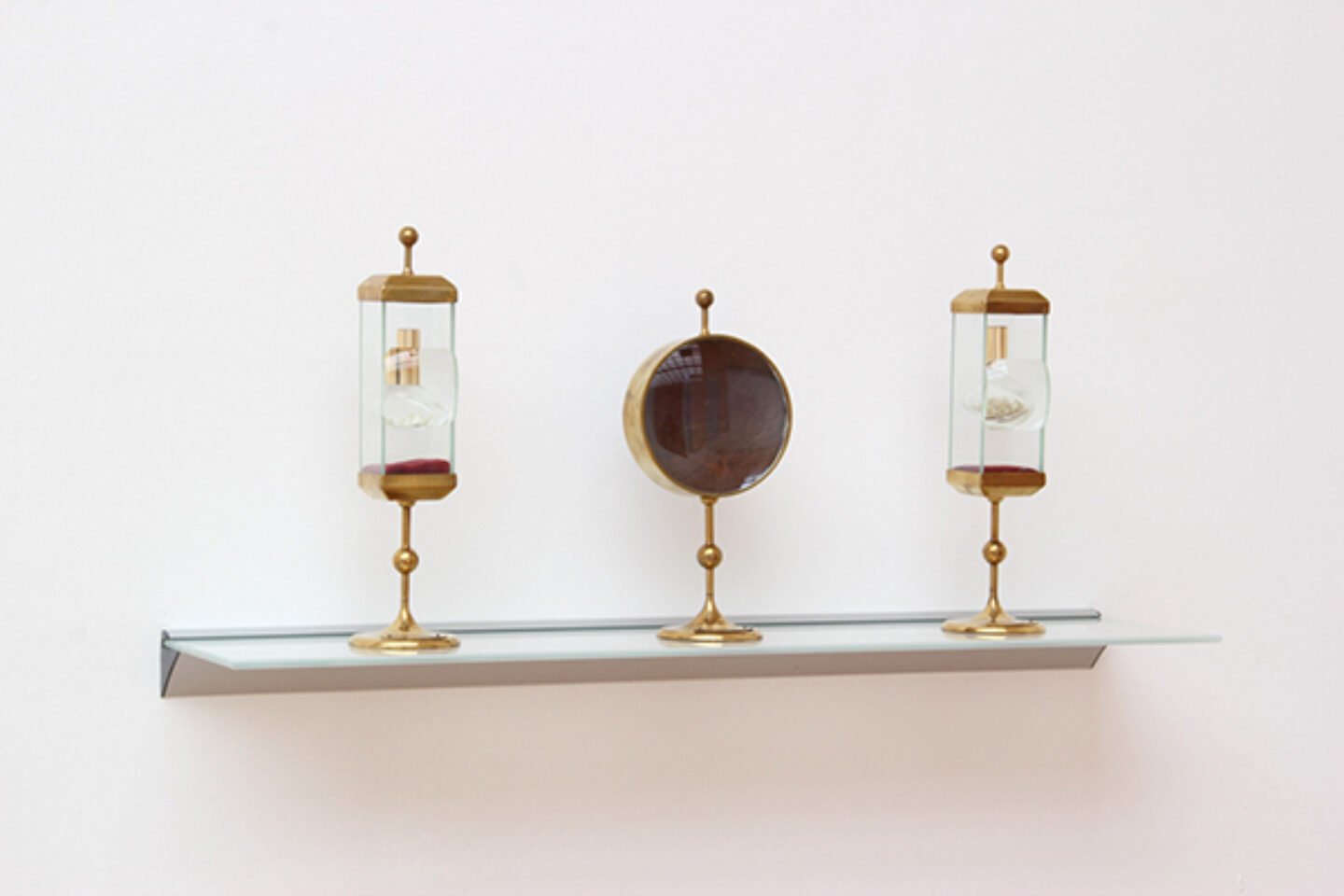
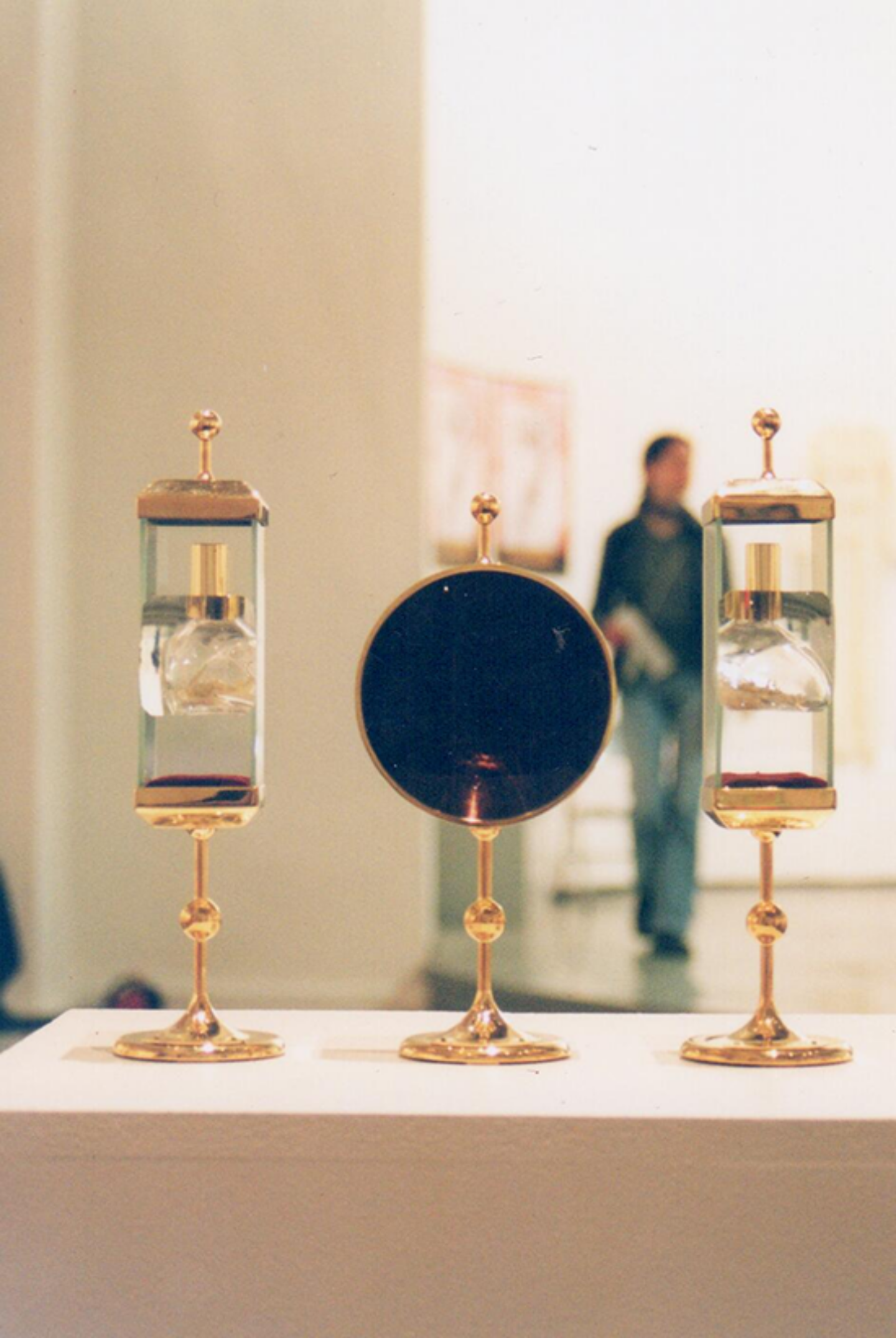
Reliquiary I. – III.

Reliqiary I. – III. (Artist’s Relics from 2000), 2000
Object

Metal, glass, organic materials
Photos by József Rosta (2012)

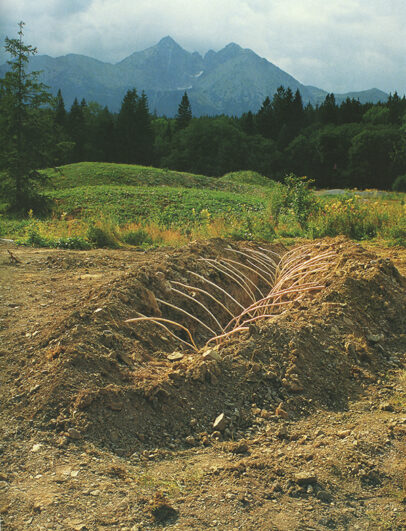
Elemental Object II.

Elemental Object II., 1994
Land art

200 x 1200 x 200 cm
Location: Tatra National Park, Tatranská Lomnica, Slovakia
Photos by Milan Kapusta

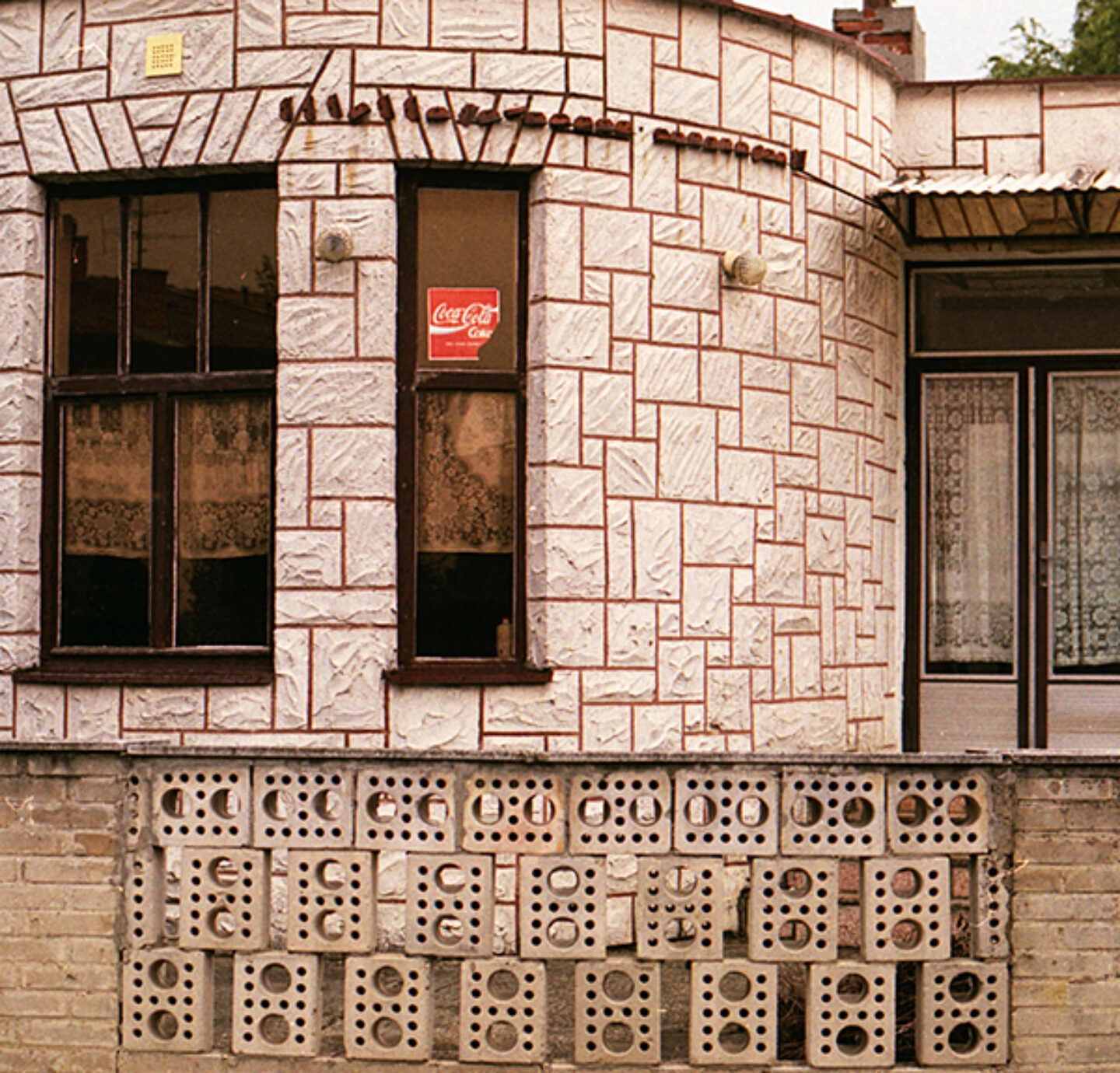
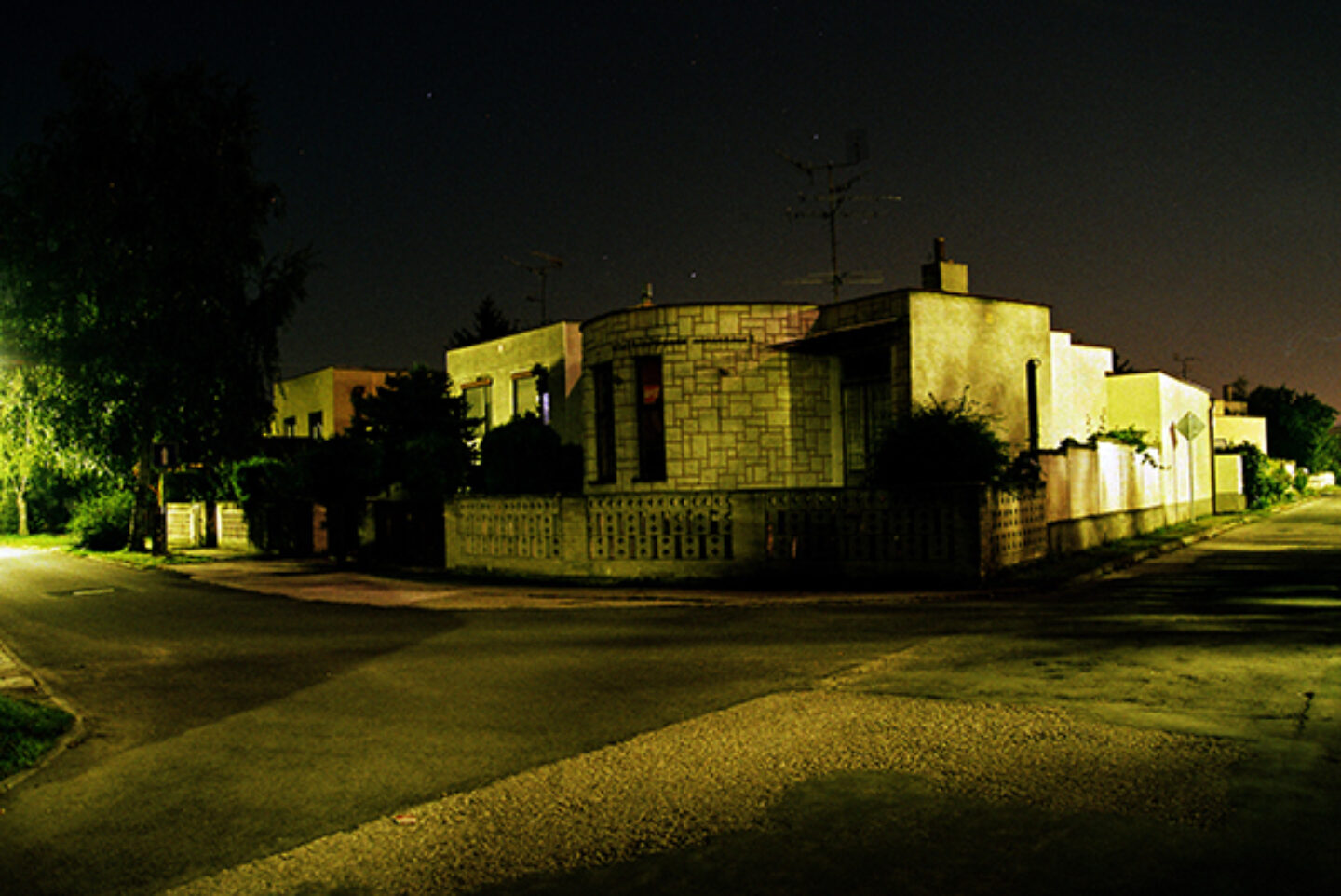
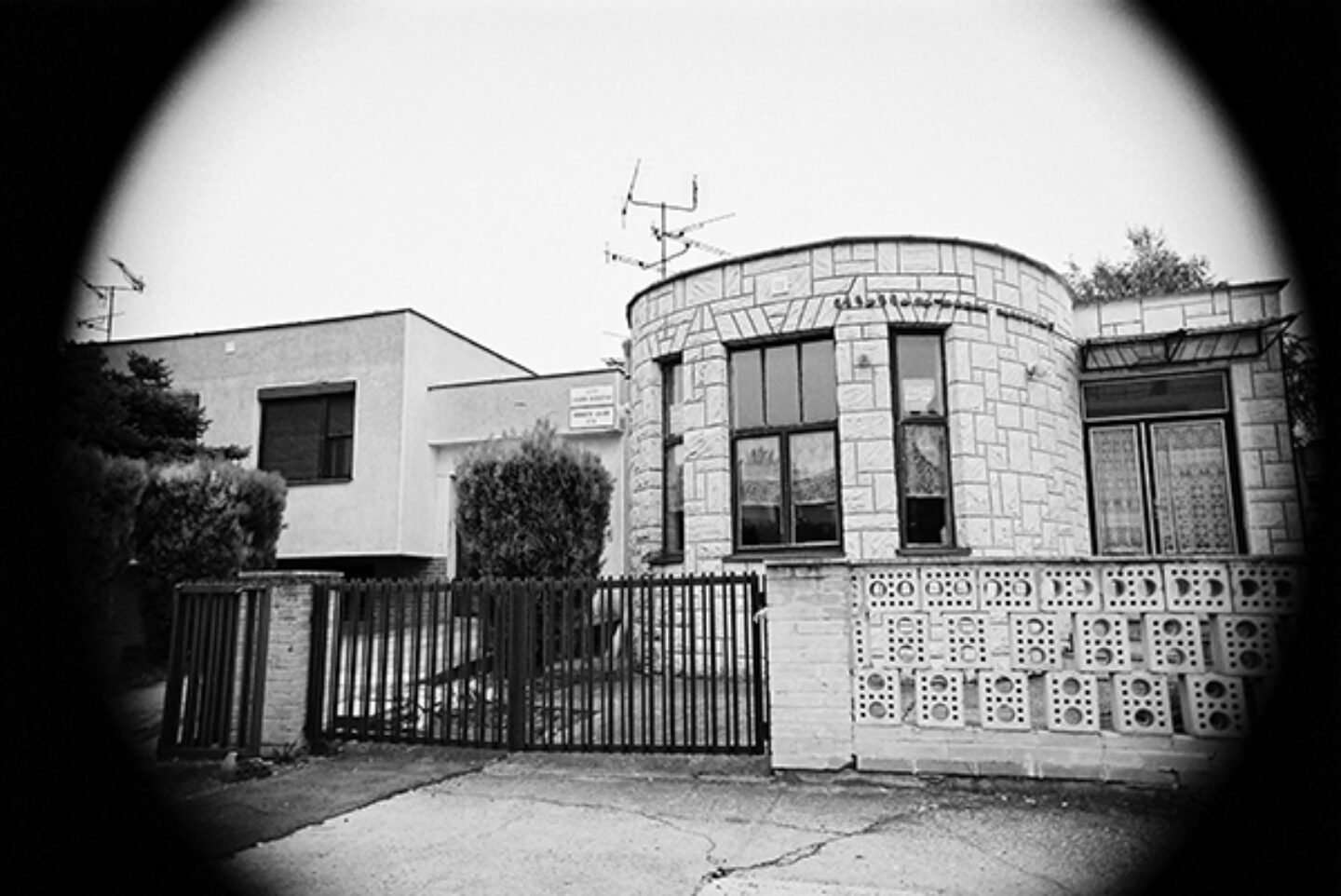
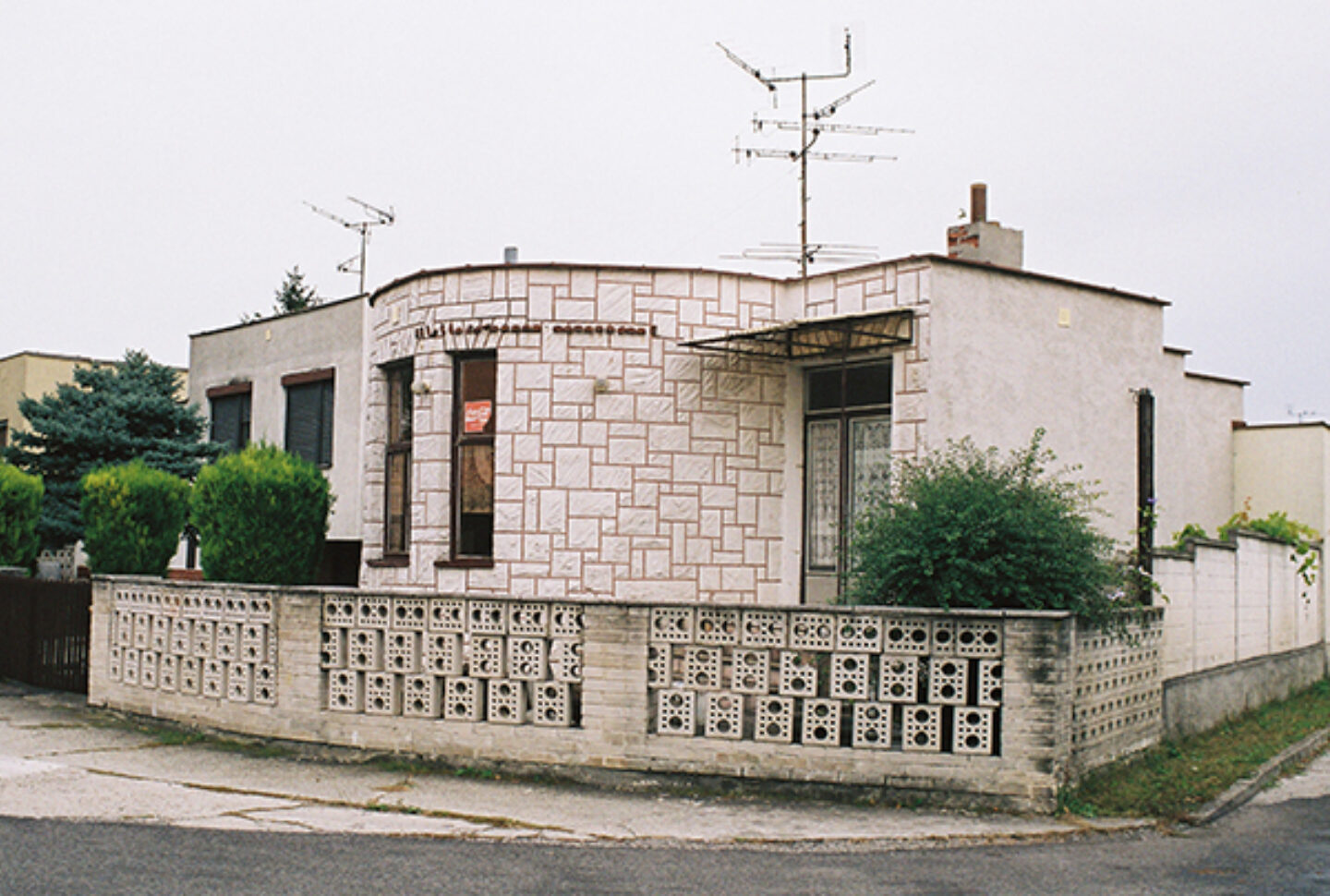
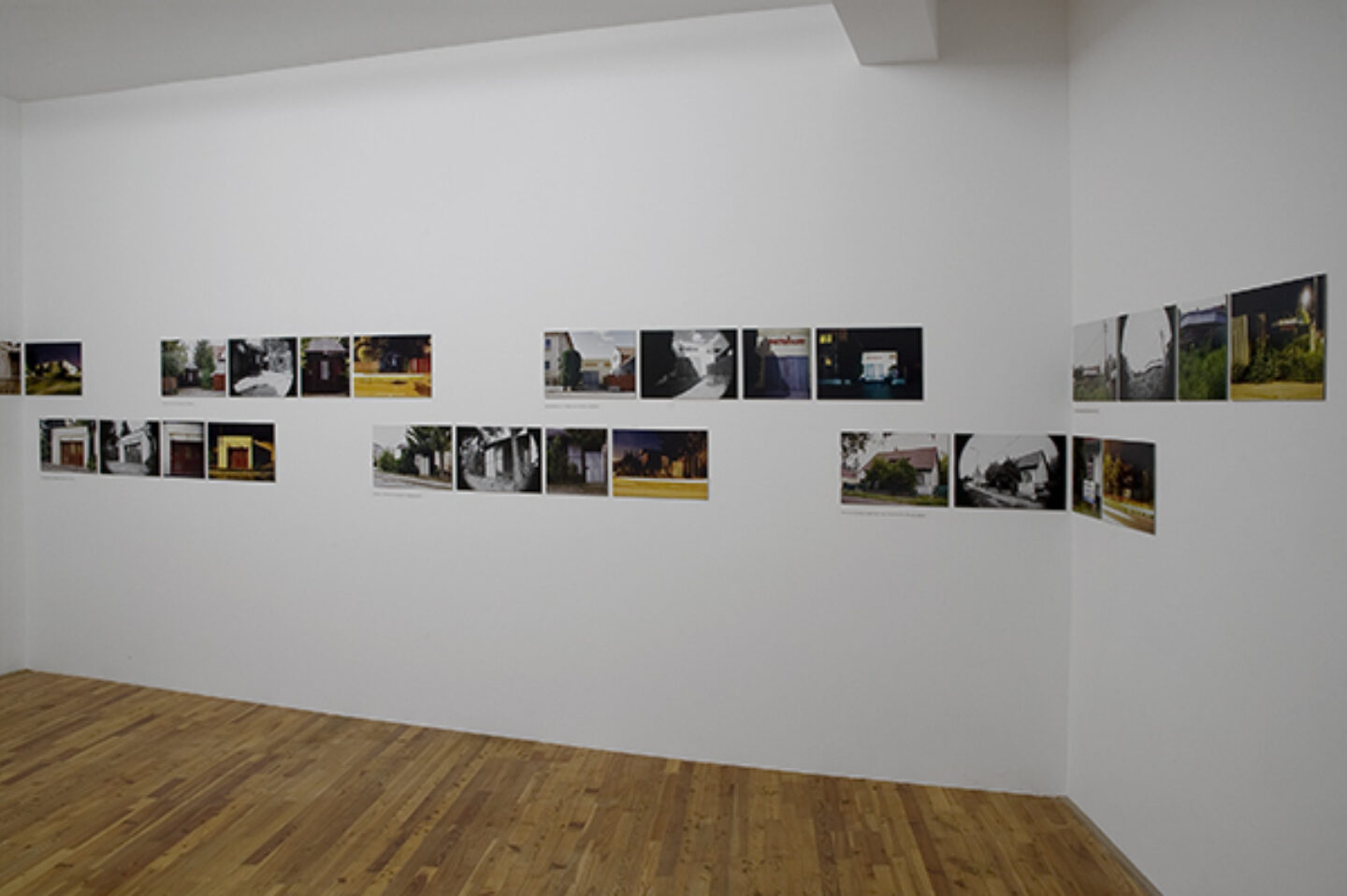
Monuments

Monuments, 2010
In cooperation with fotoklub DS – Béla Edmár, László Göndör, Péter Hodossy, László Soós
Photo series

29.8 x 30 cm, 29.8 x 44.5 cm
60 c-prints
Photos by Peter Procházka
Property of ICA –D Institute of Contemporary Art – Dunaújváros, Hungary

“the architectonical objects from dunajská streda, placed in private gardens, on the land of family houses, or directly belonging to family houses, were born in the last years as family businesses, with the intention to make their own situation better by private business. the entrepreneuristic hopes were not fulfilled for different reasons and the objects have remained empty, as a “mementum of endeavor” and “monuments of hope”. she bid four founders of the photoclub in dunajská streda, lászló sóos, péter hodosy, lászló göndör and béla edmár to cooperation. they mapped the whole city of dunajská streda and found 16 such objects, which these photographers photographed in their own style.” [amtproject.sk]

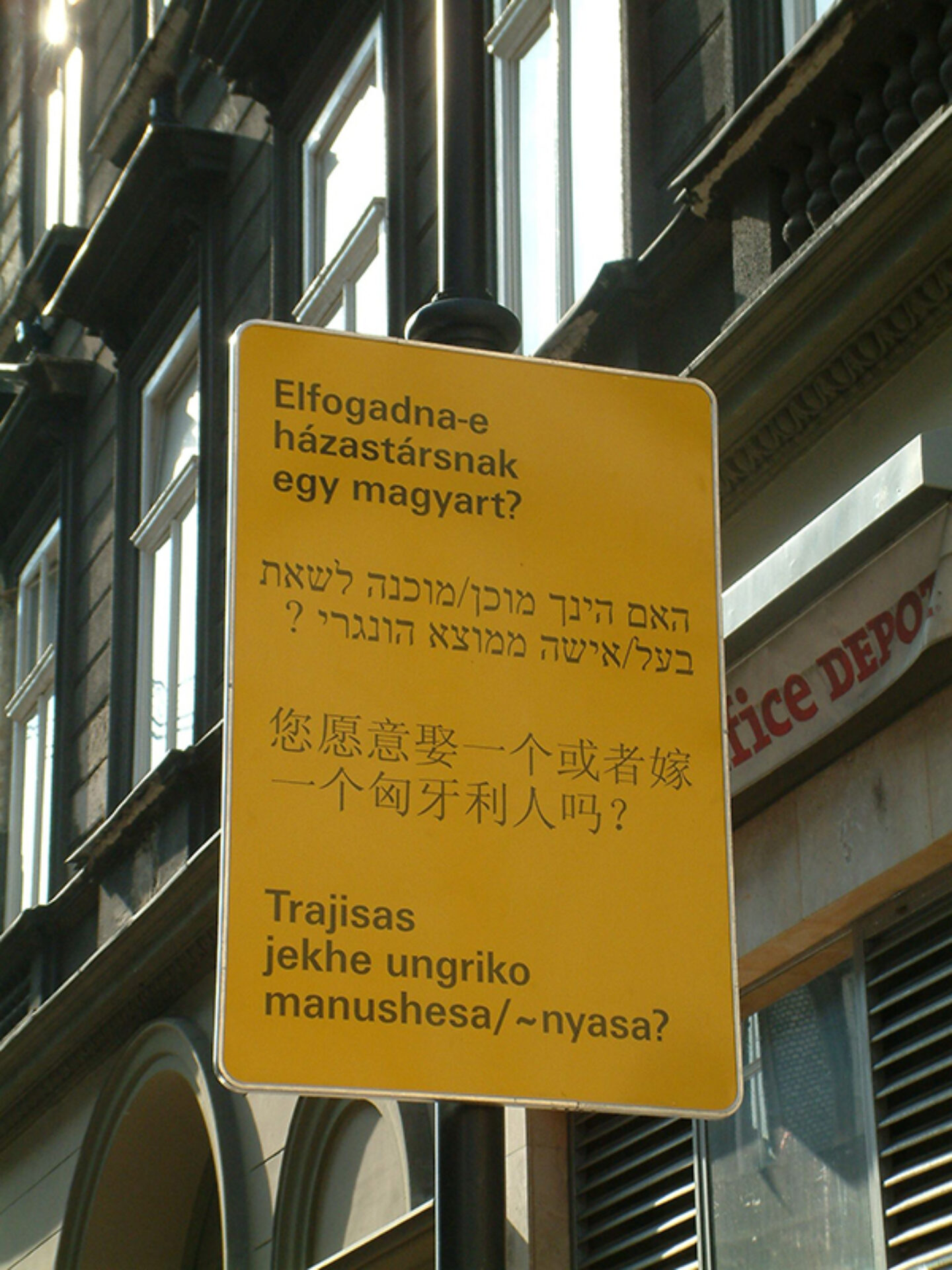
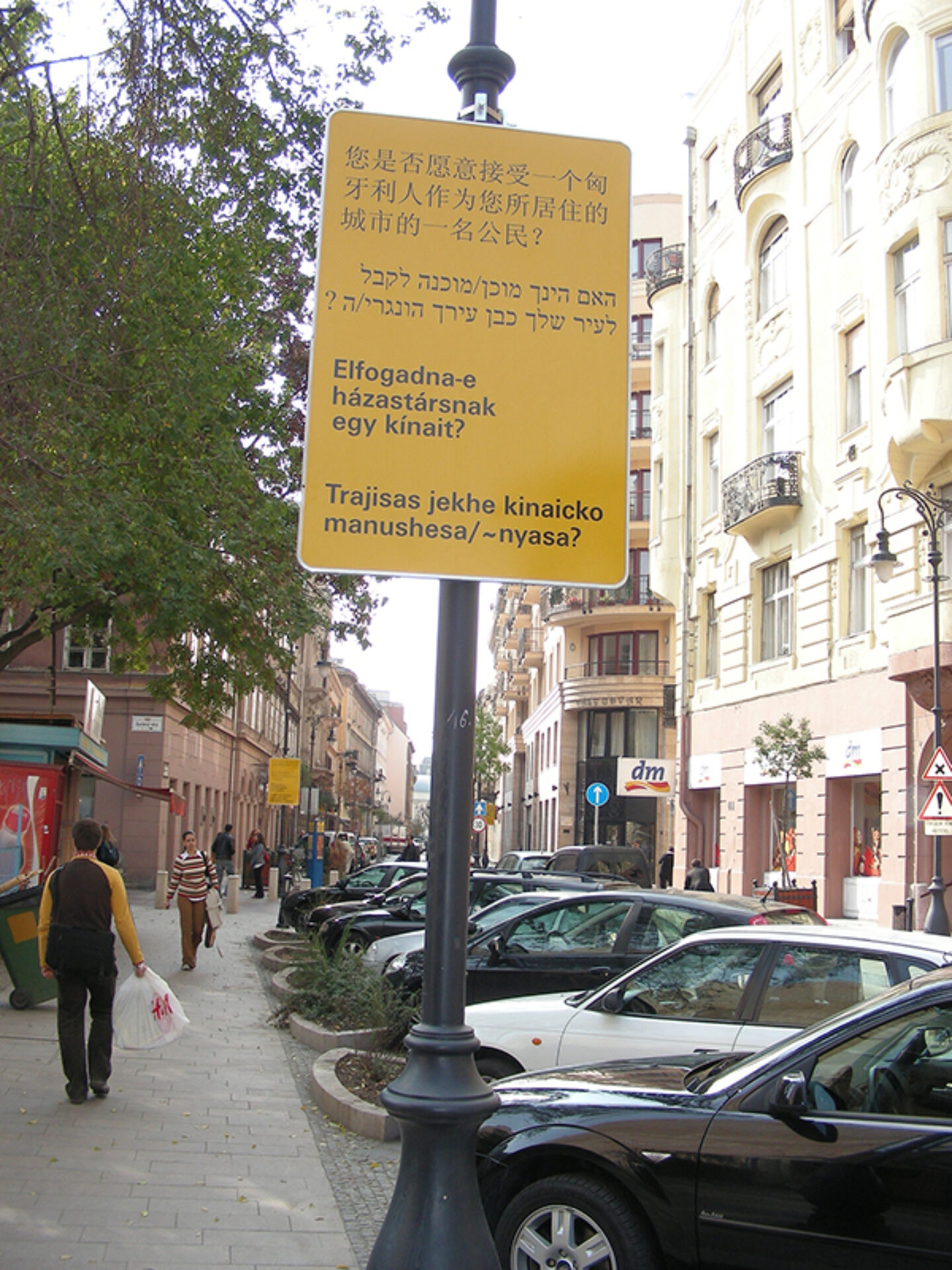
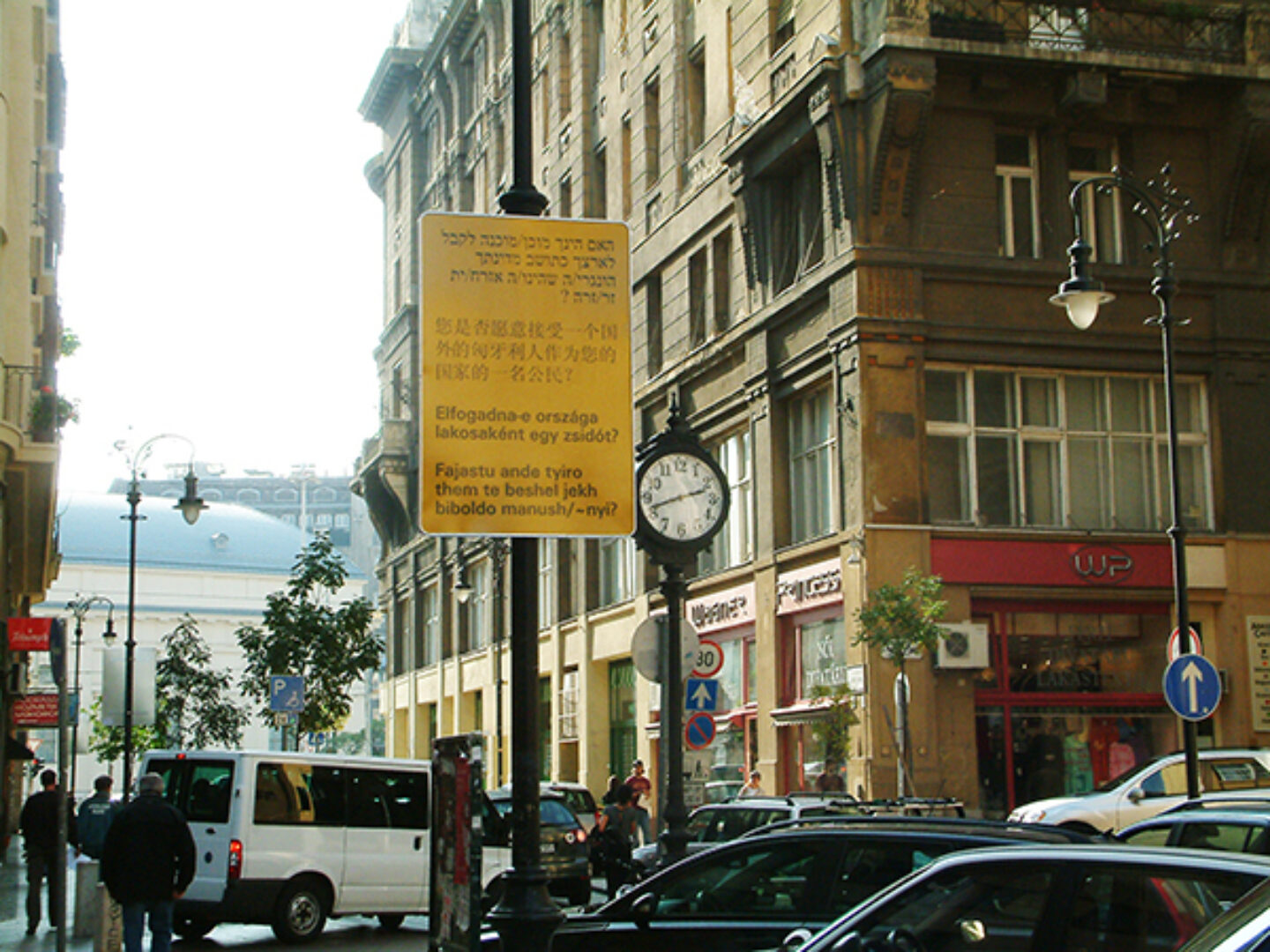
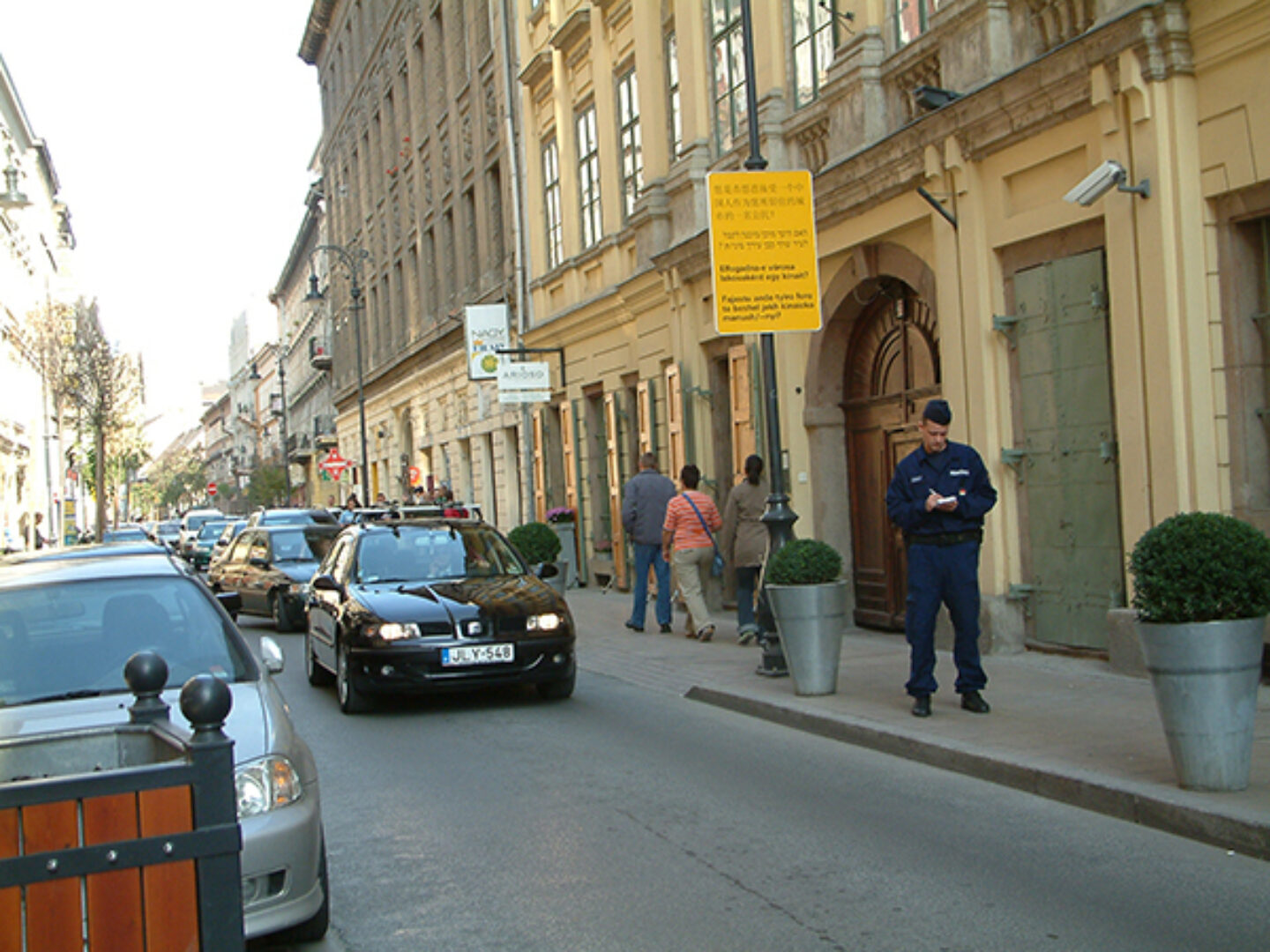
BP Public Art

BP Public Art, 2007
In cooperation with Szilvia Németh, sociologist
Public art
25 metal signs

150 x 100 cm
Metal plates, reflective adhesive foil
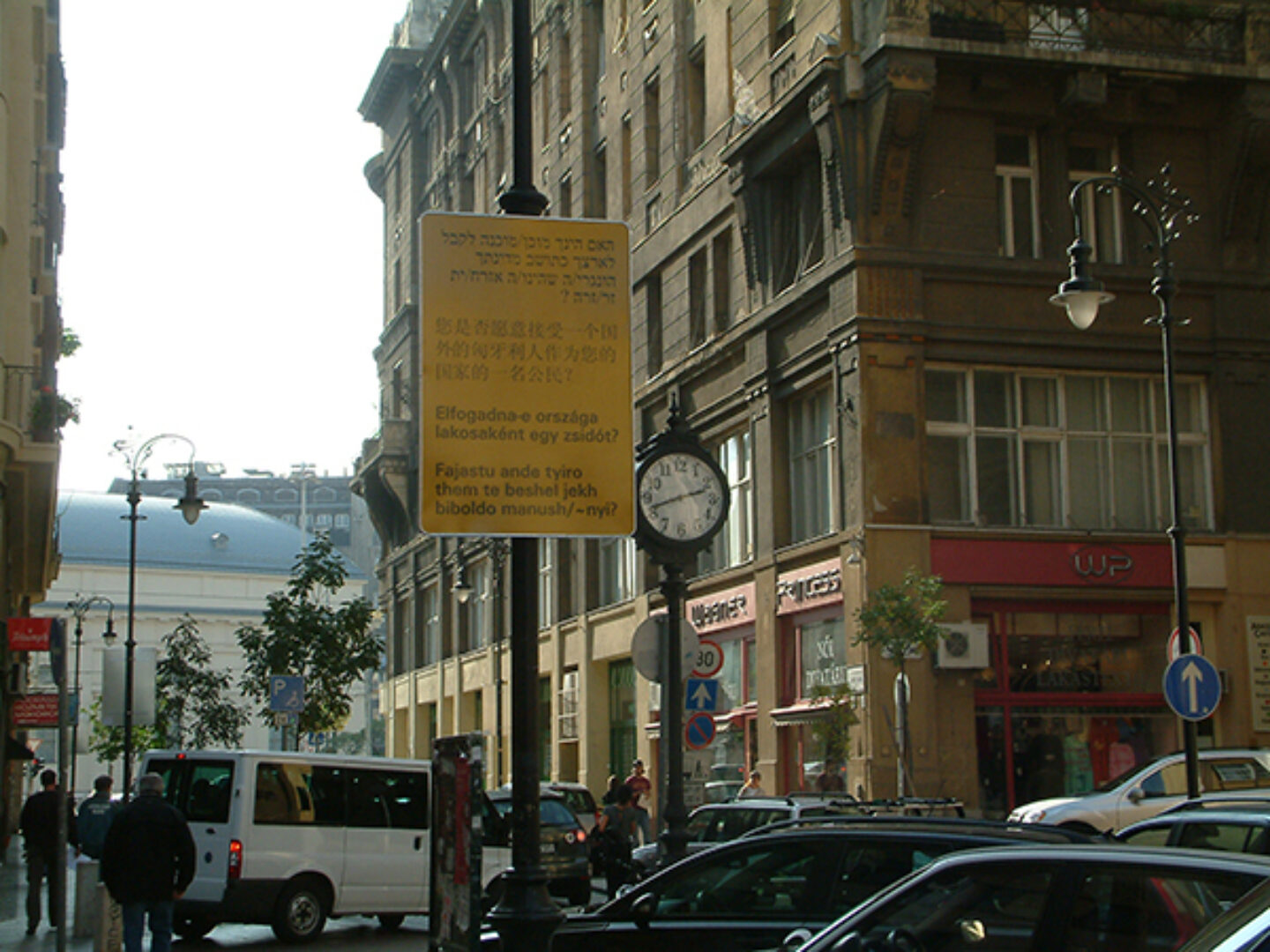
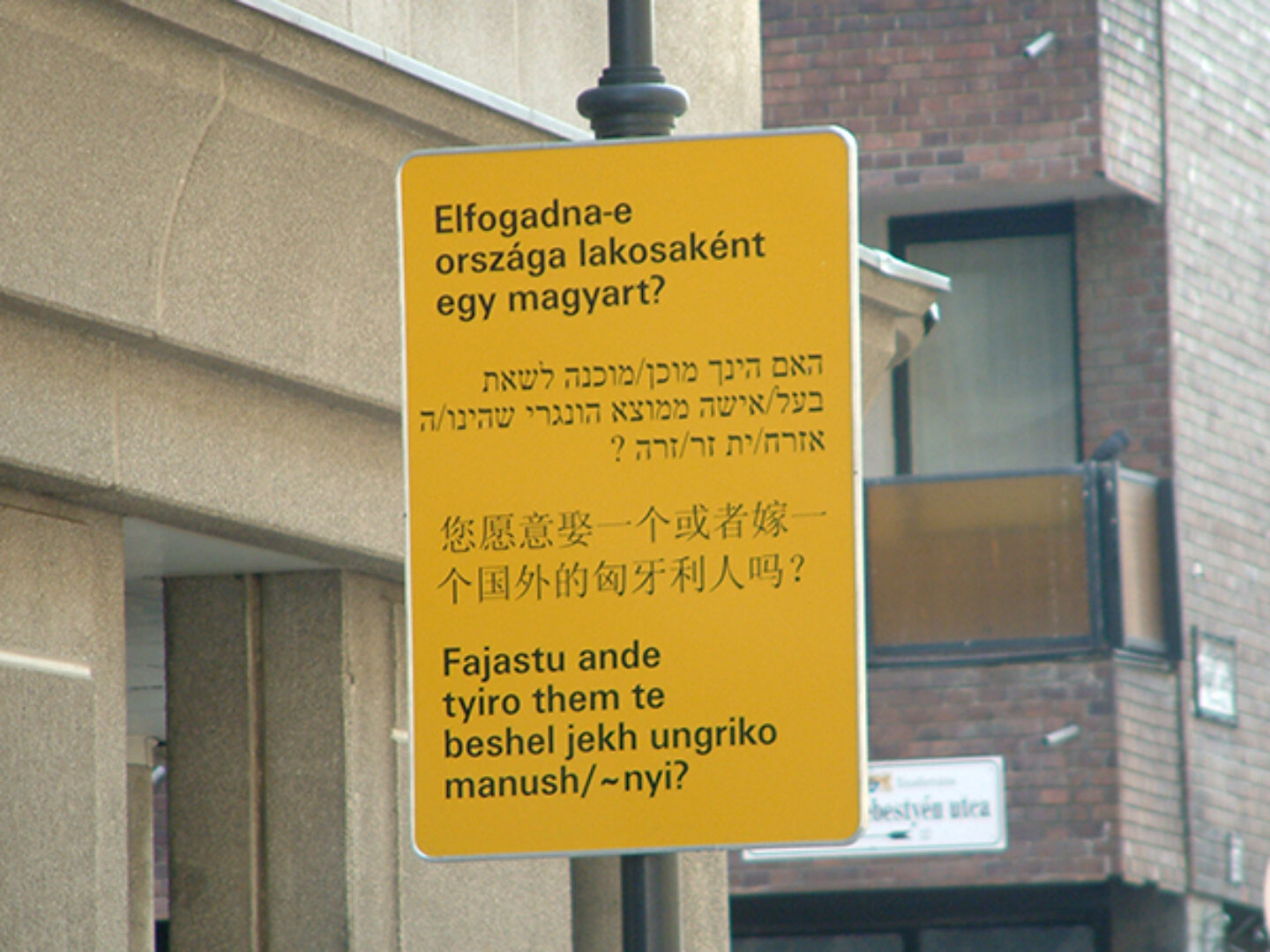
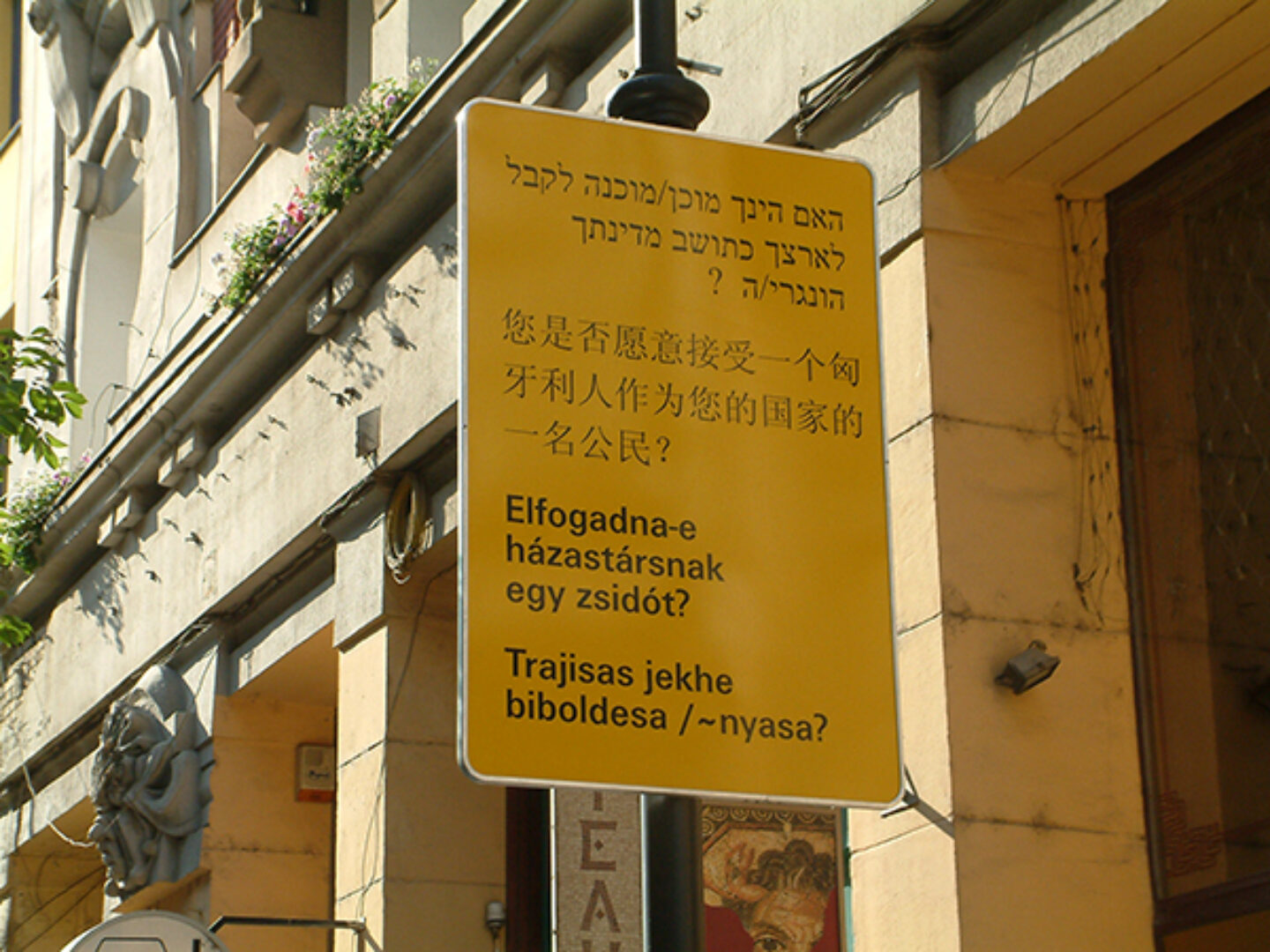
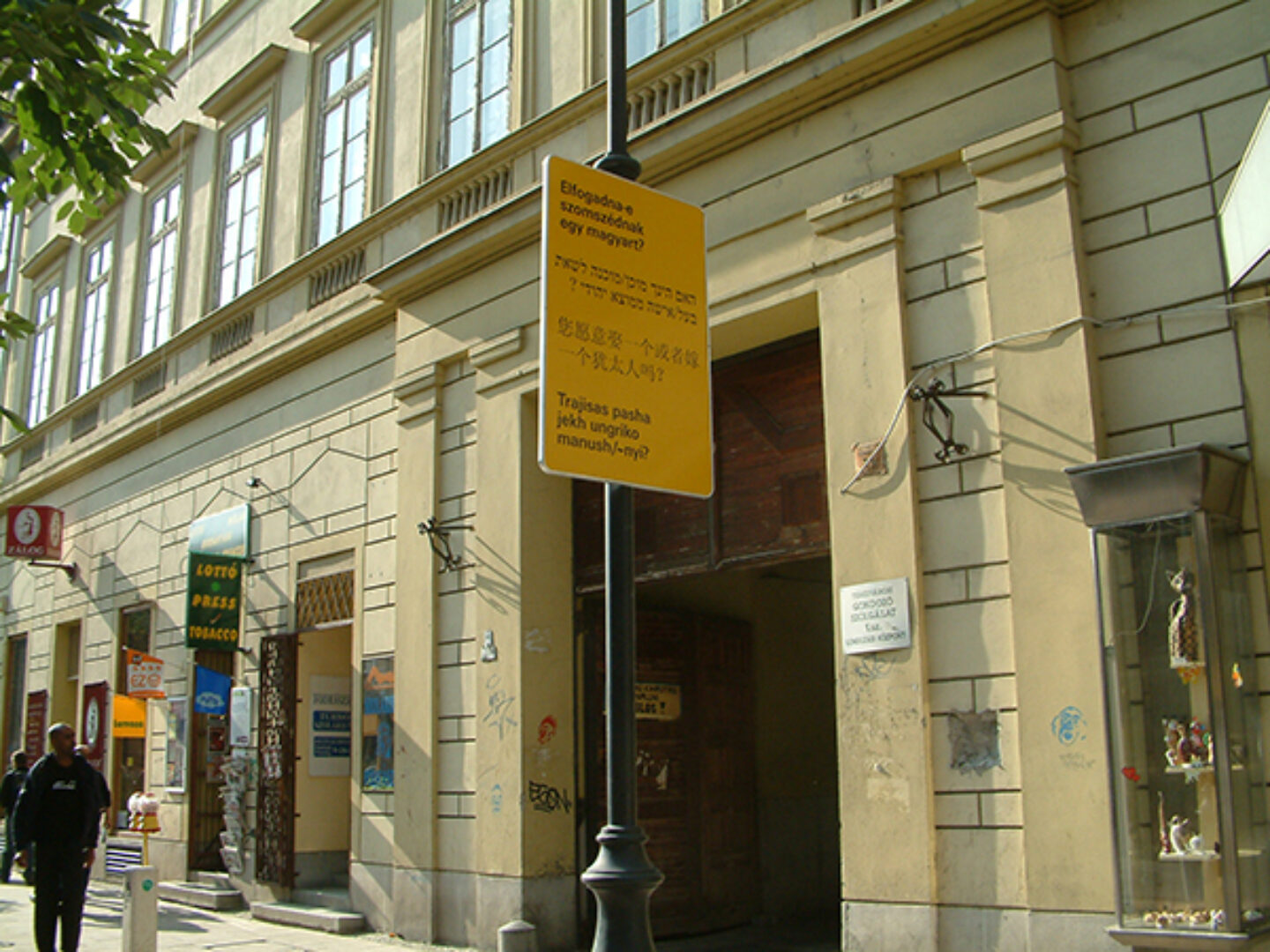
Location: Budapest, Hungaryphoto: Nikolett Erős, Gábor Tóth

8 Men

8 Men, 2009-2012
Videos: Timea (2009, 15’14”), Gizella (2012, 12’35”), Flóra (2012, 5’14”)
Video, editor: Csaba Czibula, Juraj Szaszák – XL PIXEL media studio Košice; Mirka Gáberová, Ivan Svoboda
Photos by József Rosta, Richard Köhler

The video entitled 8 Men presents the peculiar history of part of her family. She attempts to reconstruct the tragic fate of the family in the past 25 years from the point of view of a woman named Tímea, her mother and her daughter. The location is Ekecs, a village in southern Slovakia, where her father originates from.

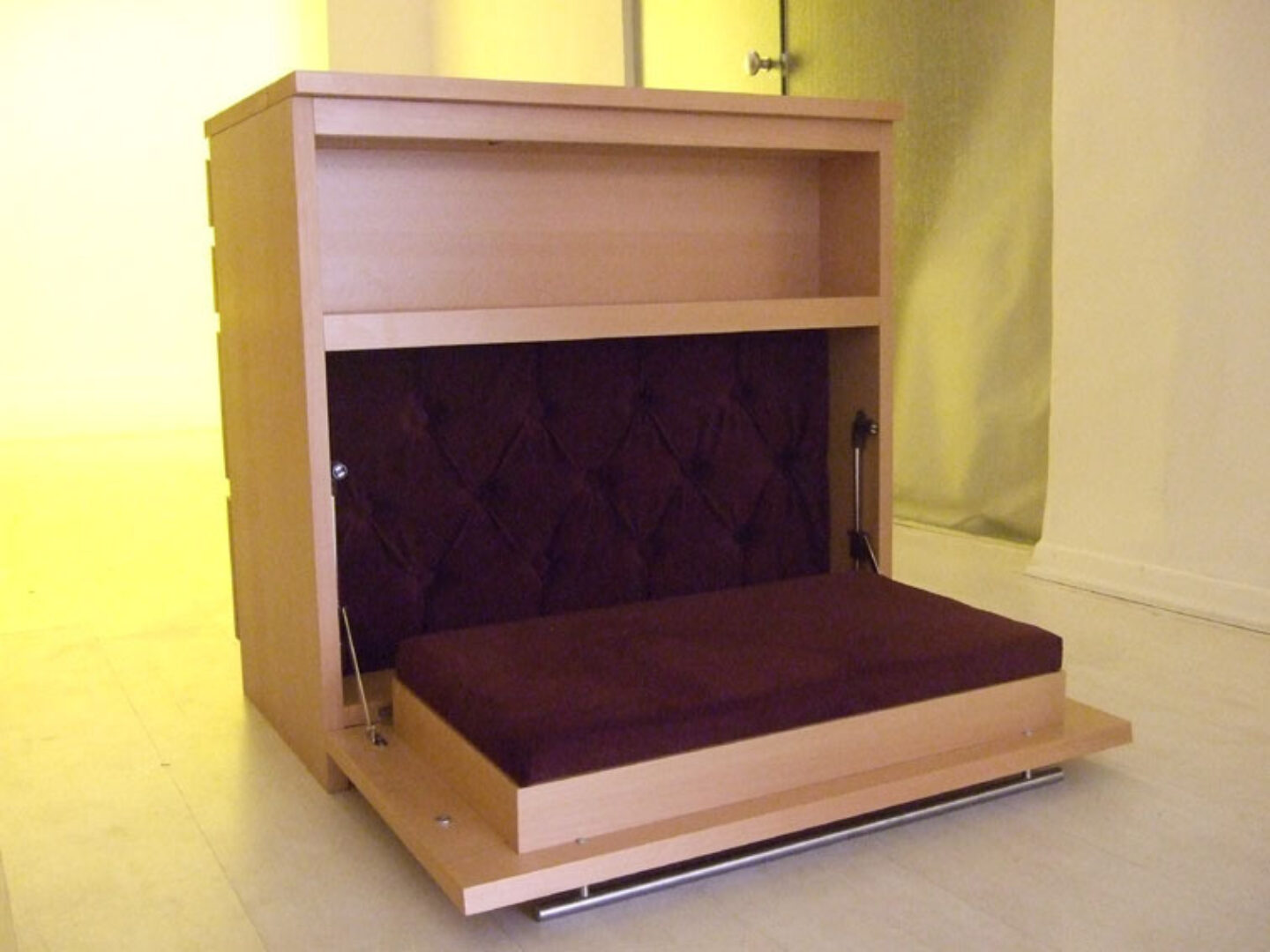
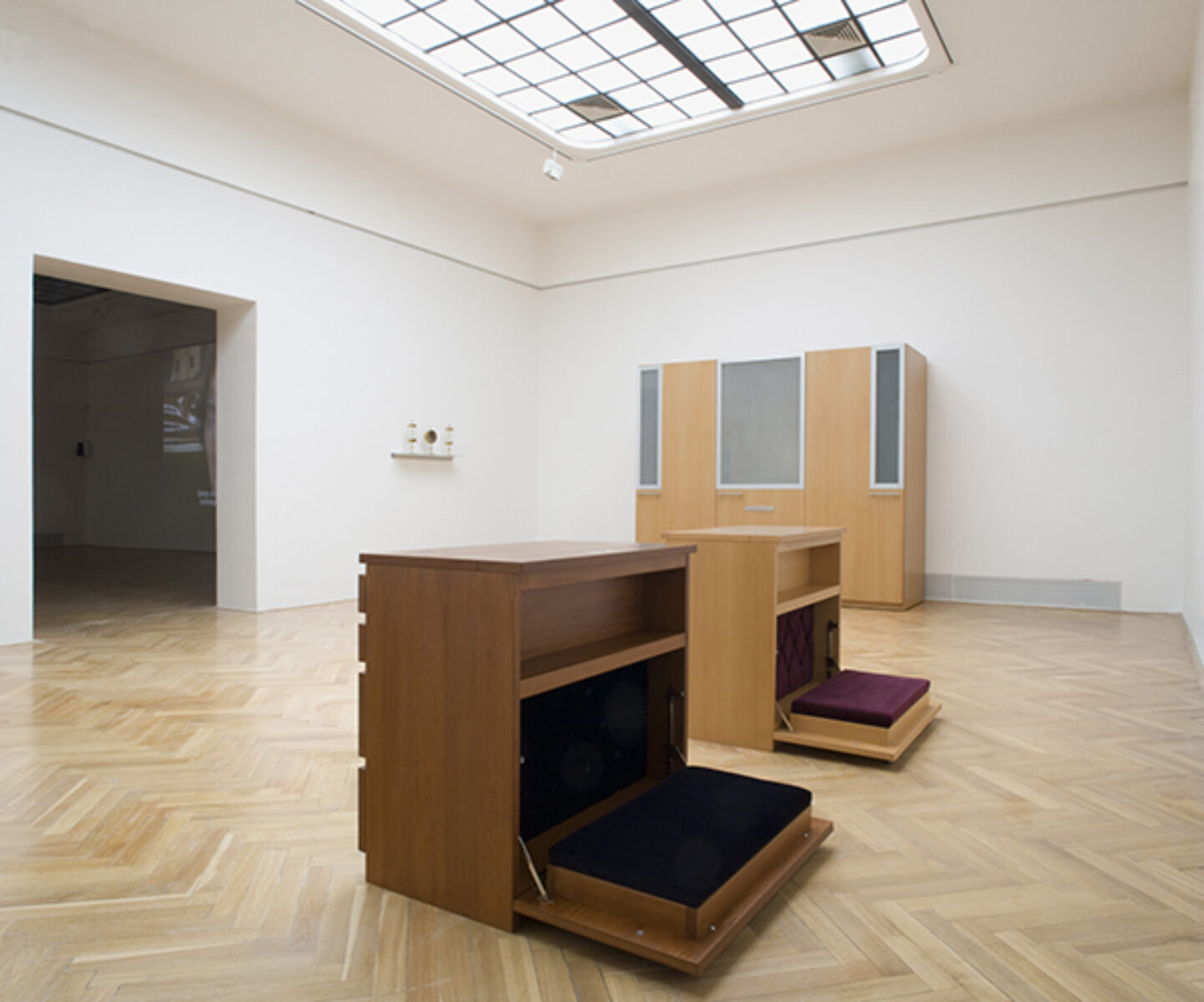
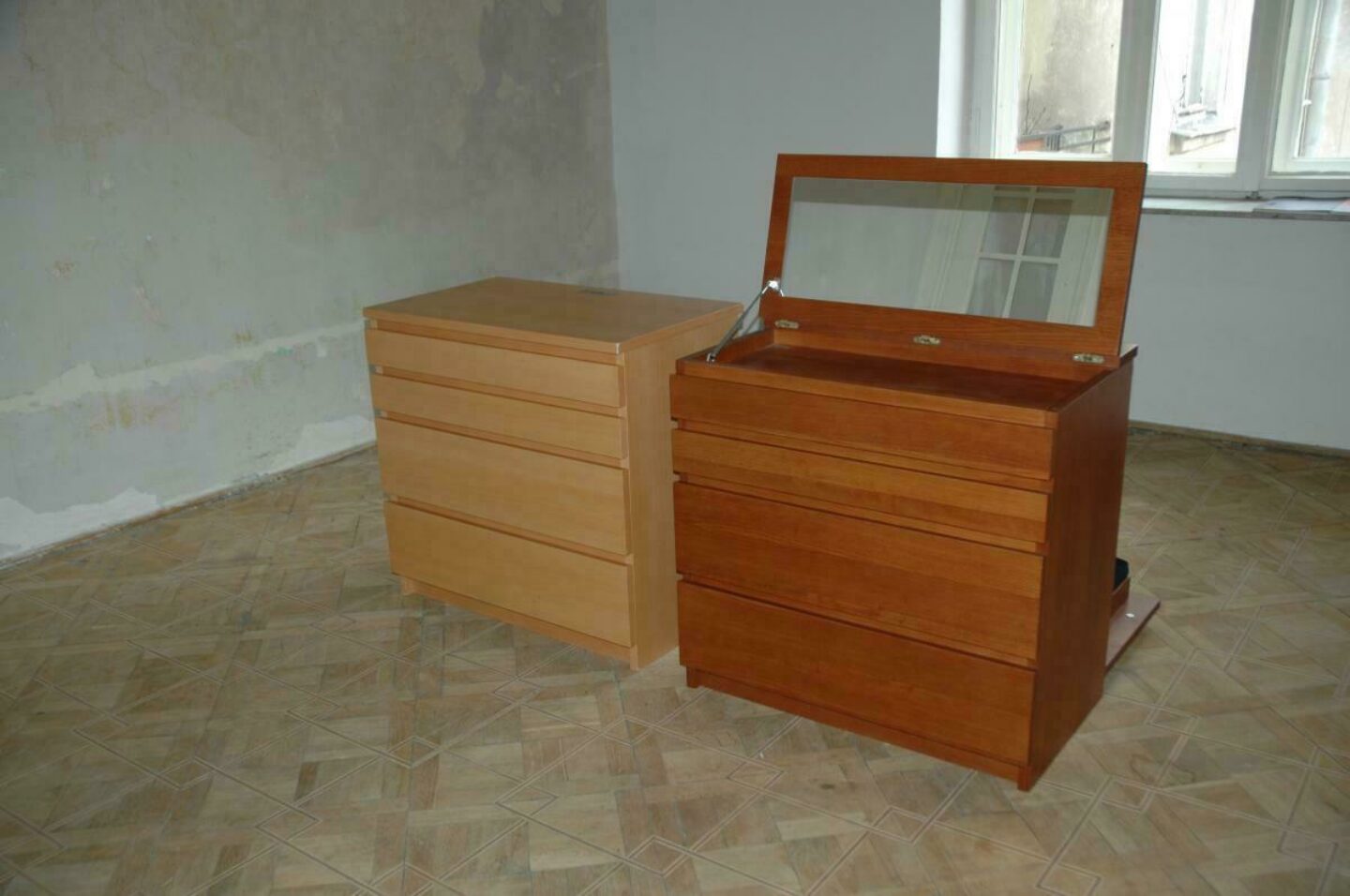
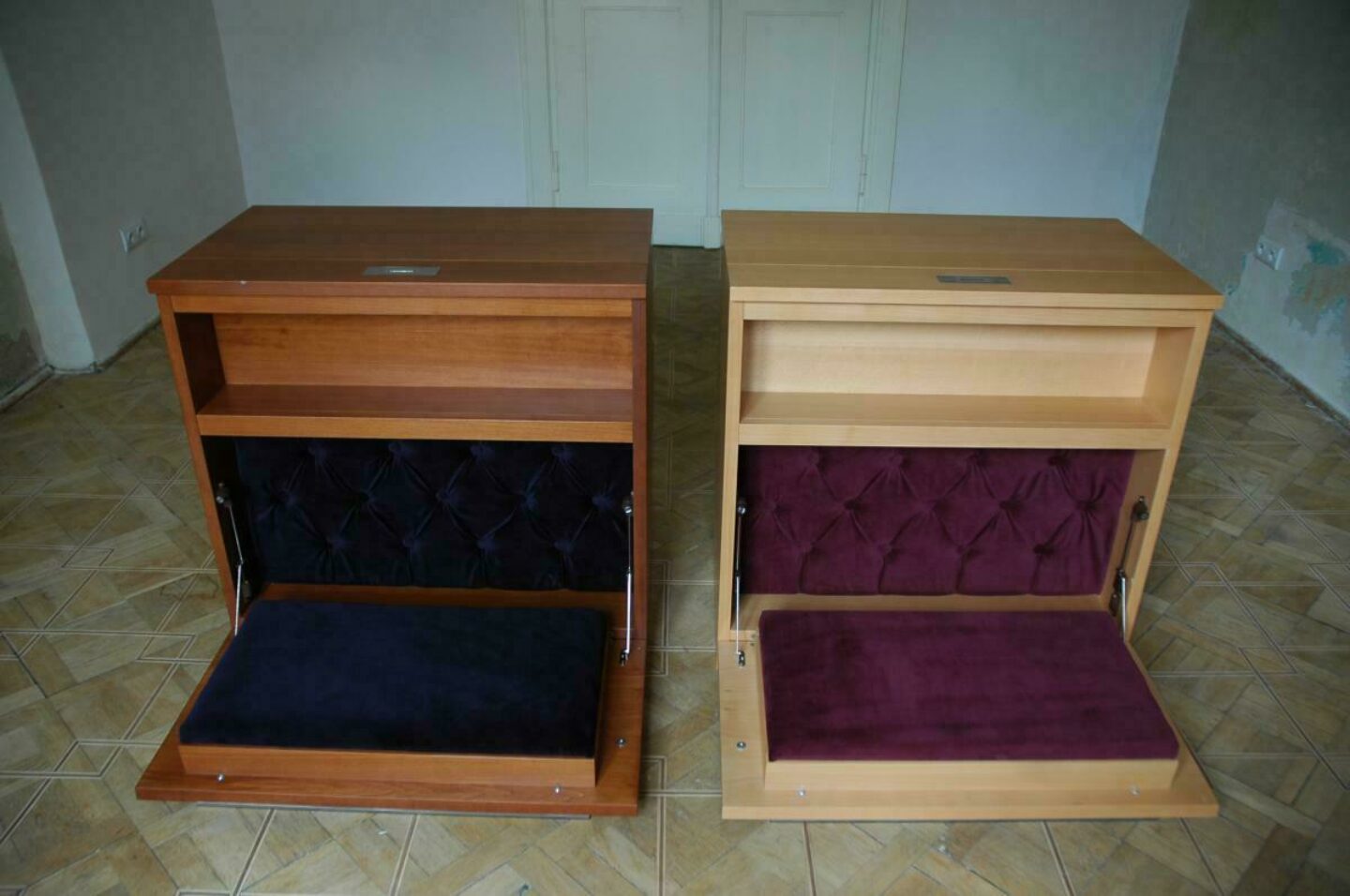
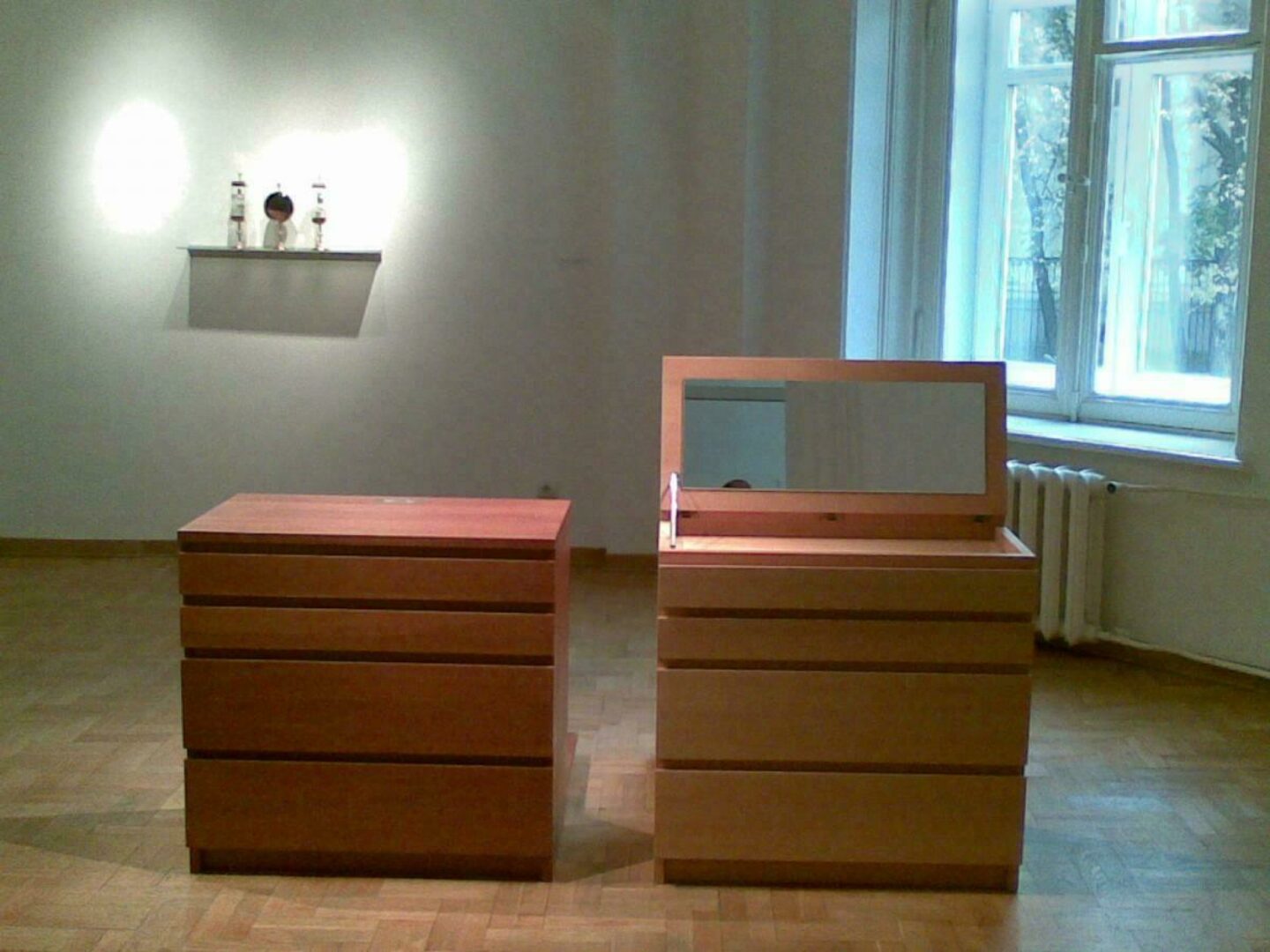
MALM-in

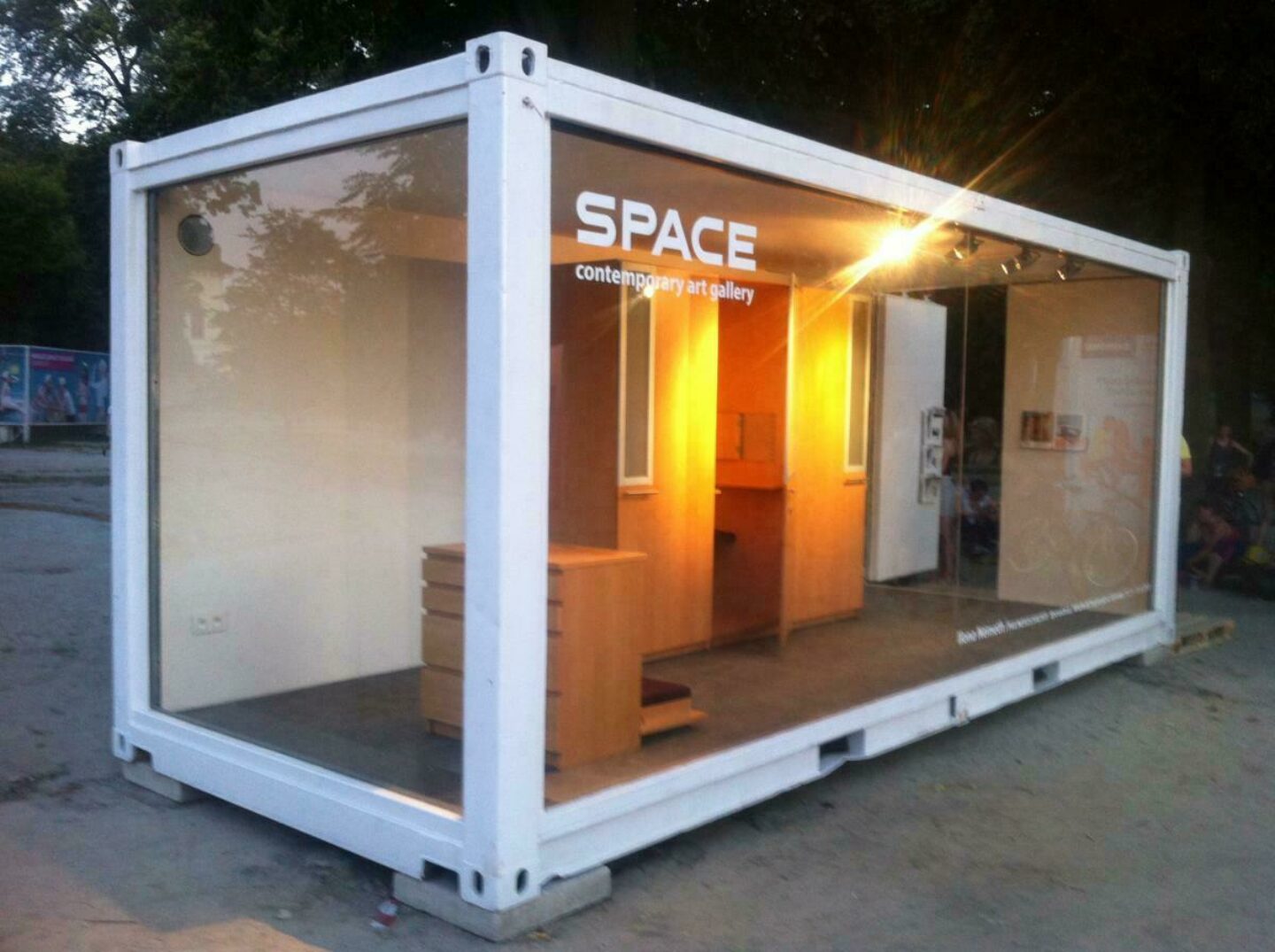
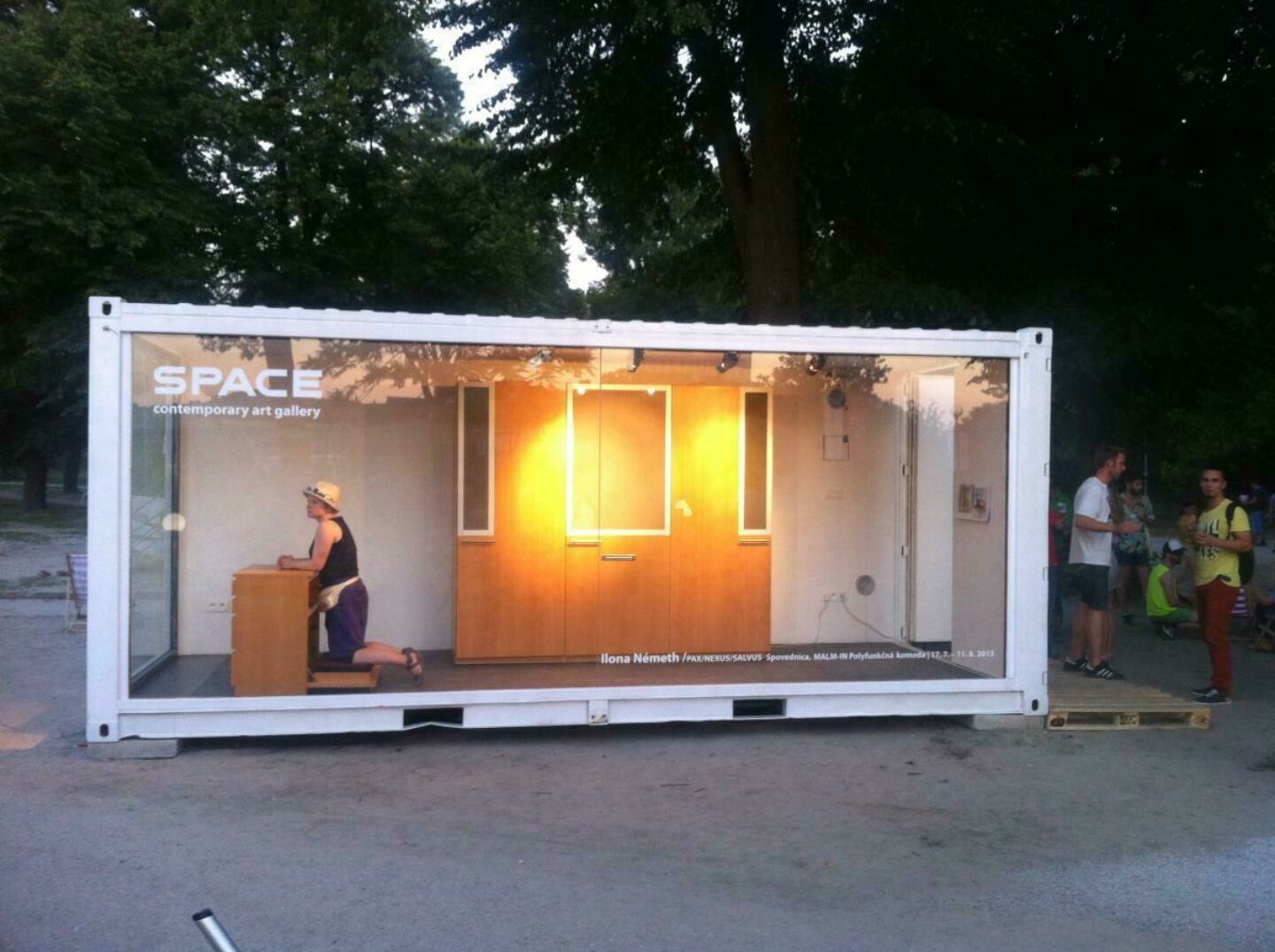
MALM-in, 2008
In cooperation with Marián Ravasz, architect
Polyfunctional drawer chest

80 x 75 x 48 cm
Furniture panel, aluminium, upholstery
Photos by József Rosta (2012), Marián Ravasz (2009)

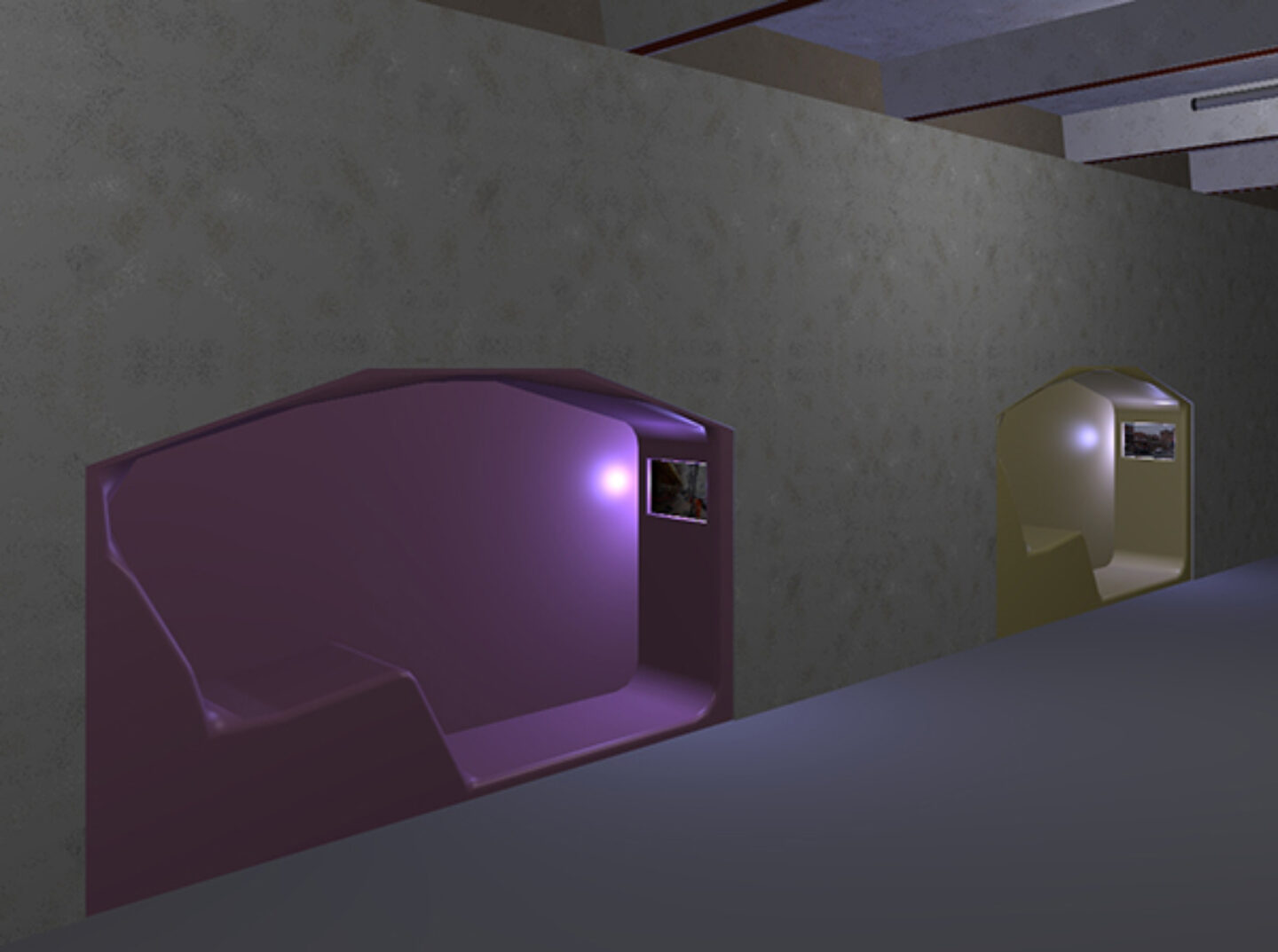
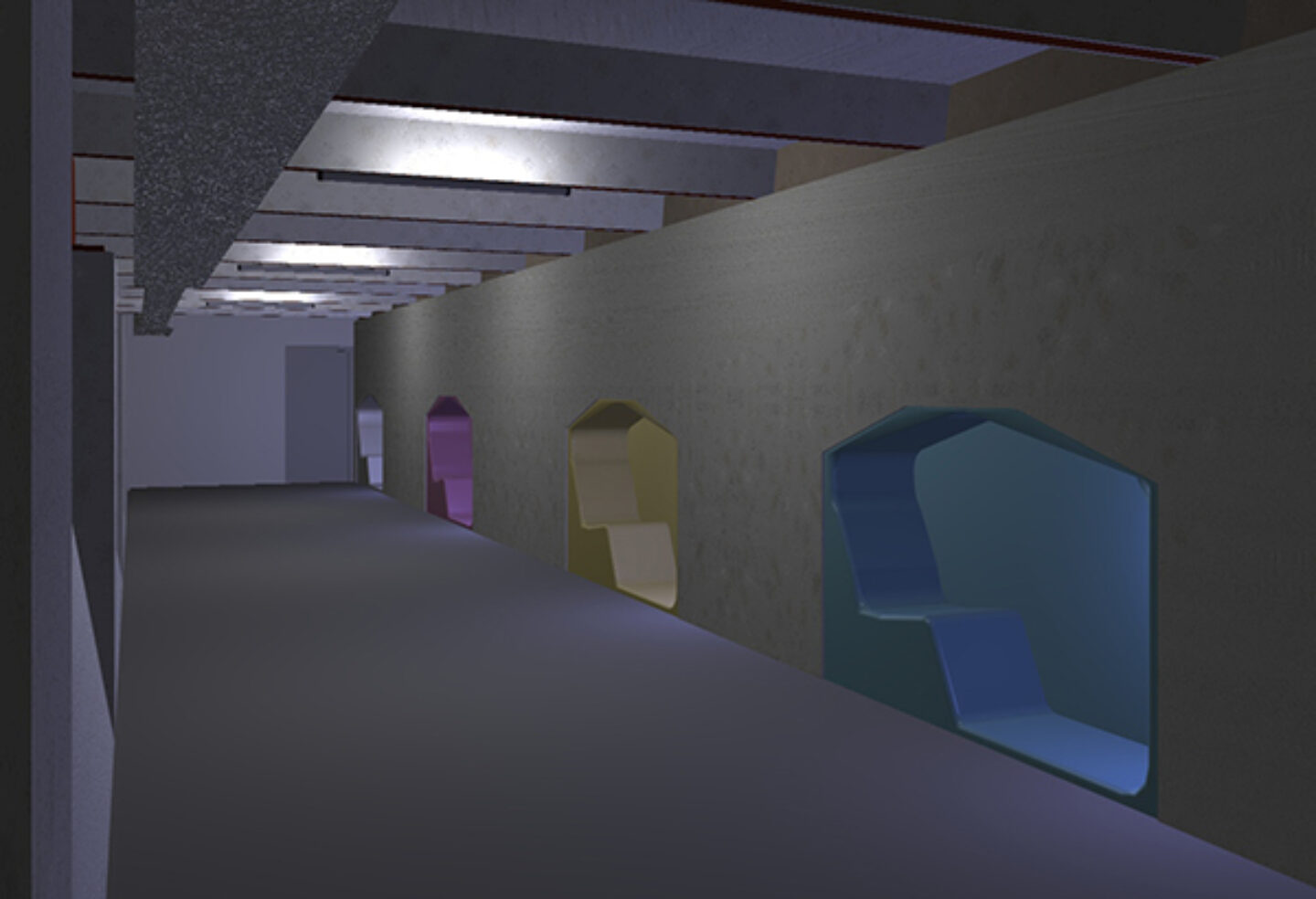
Sedilia

Sedilia, 2008
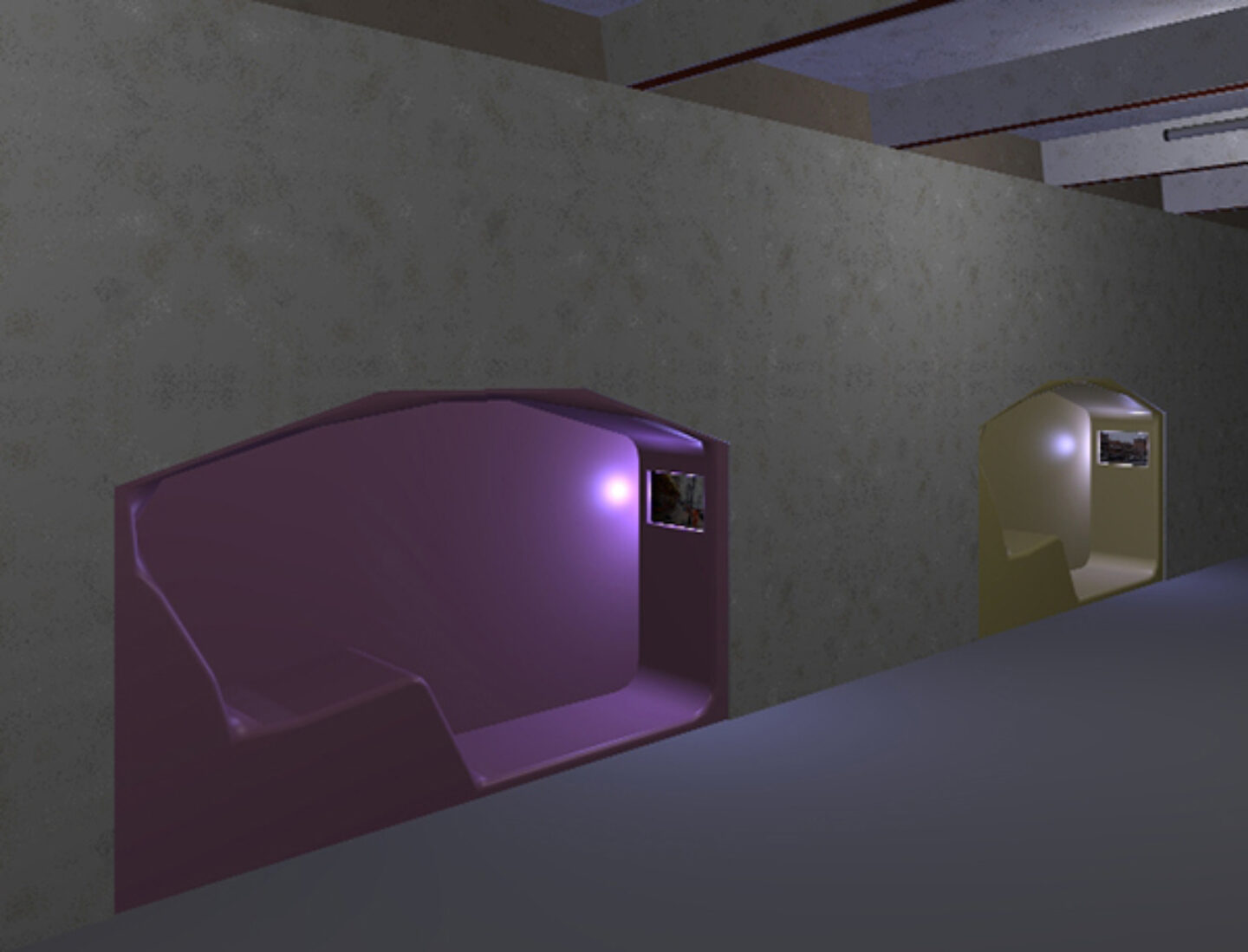
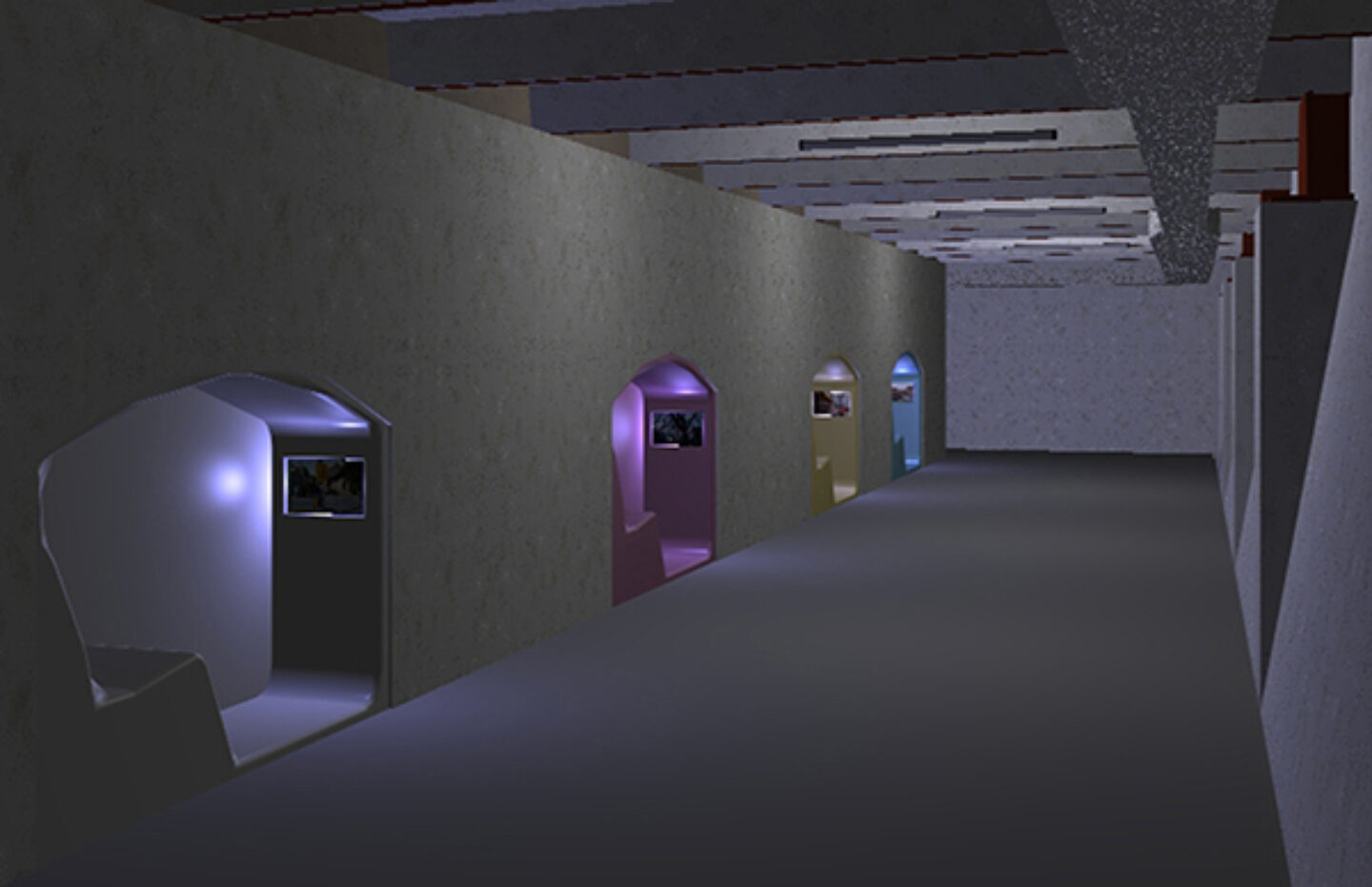
Project for a site specific installation

Location: Sculpture Center, New York, USA
Architect, visualisation: Marián Ravasz

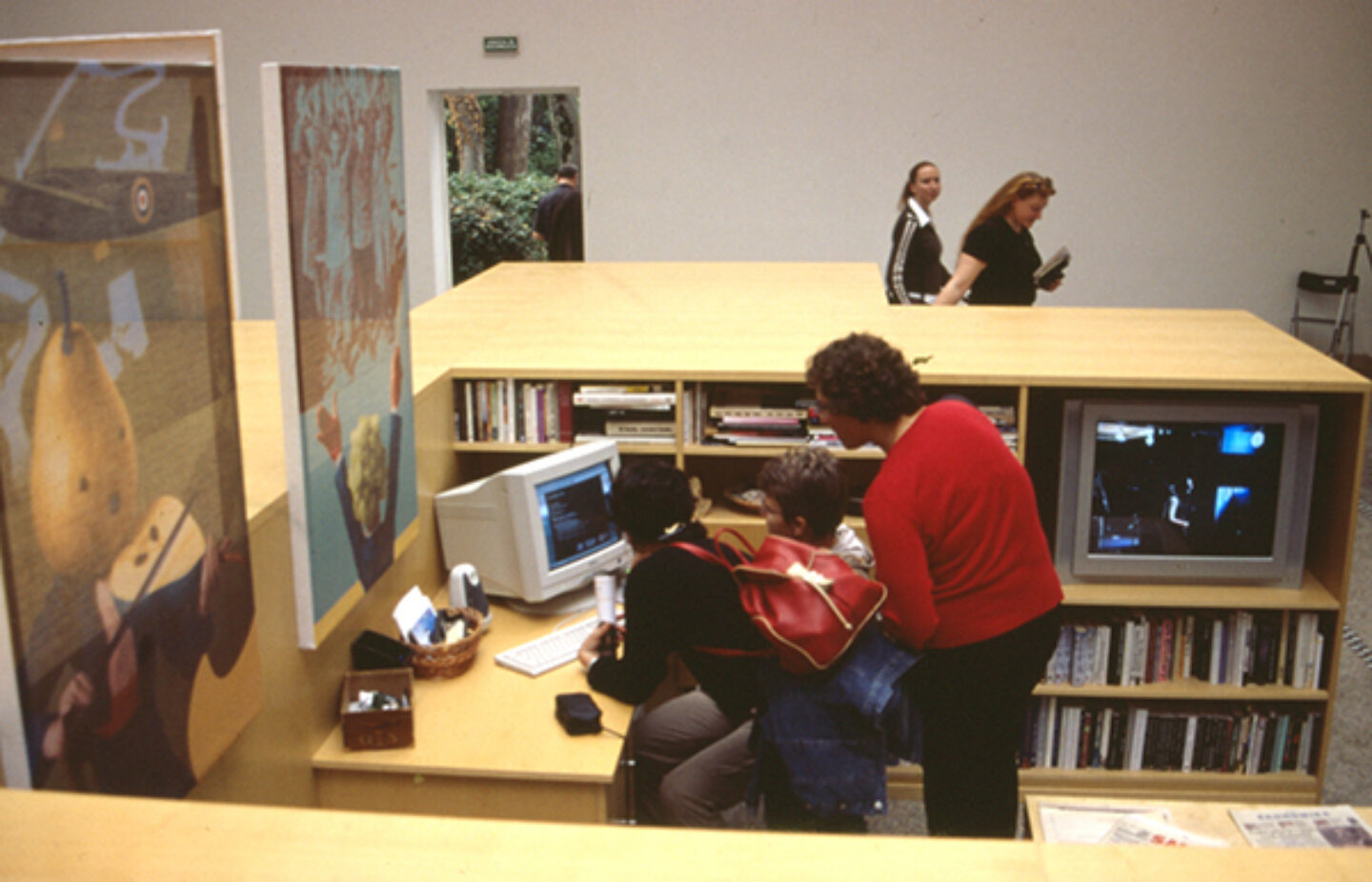
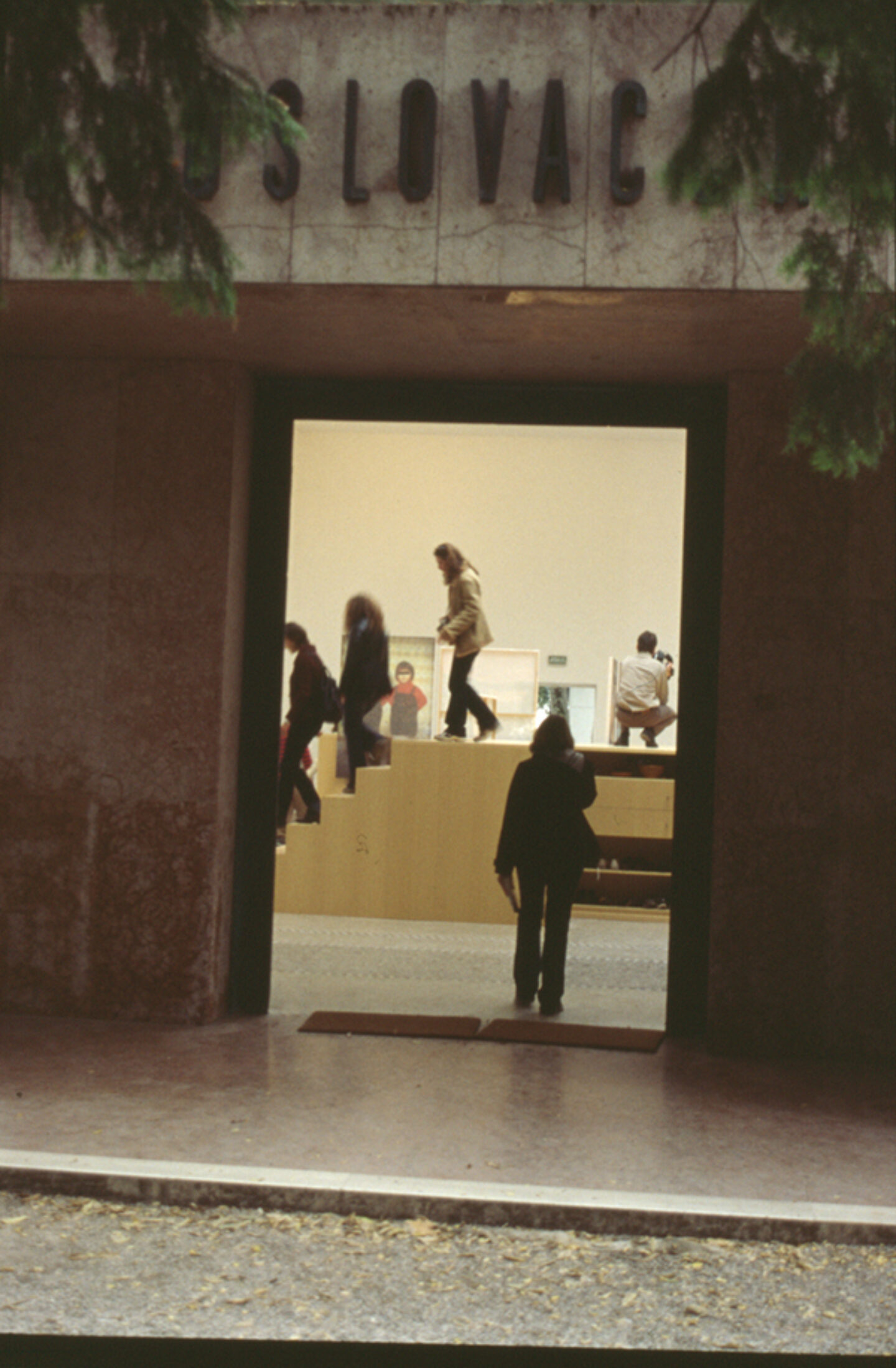
Invitation for a Visit

Invitation for a Visit, 2001
The Floor VI.
Interactive multimedia installation

135 x 528 x 968 cm
Furniture objects, ready-mades, various objects, electronics
Location: 49. La Biennale di Venezia, Pavilion of the Czech and Slovak Republic
Architect: Marián Ravasz
Curator: Katarína Rusnaková
Sound: Roman Laščiak

Photos by Marián Ravasz

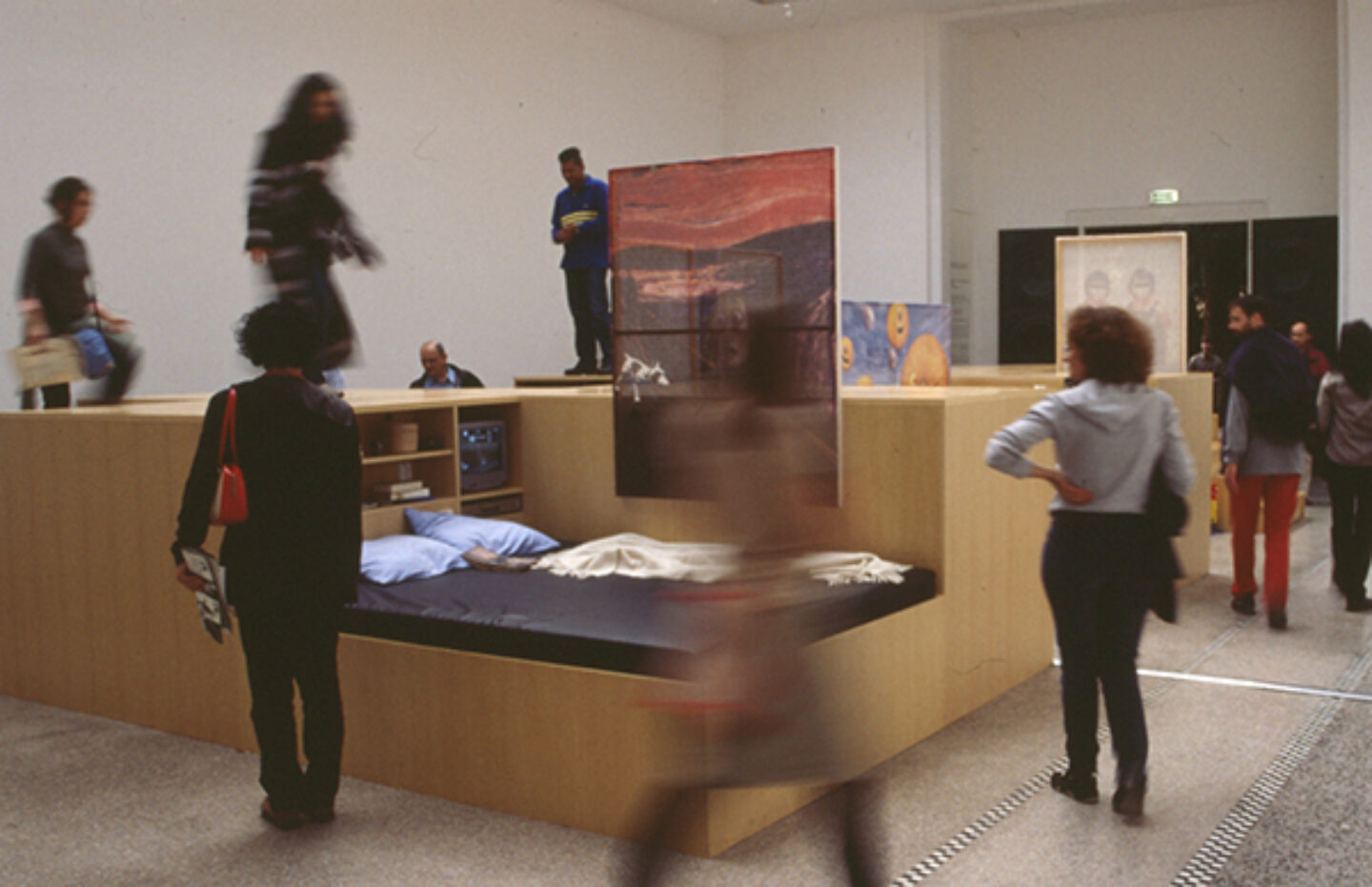
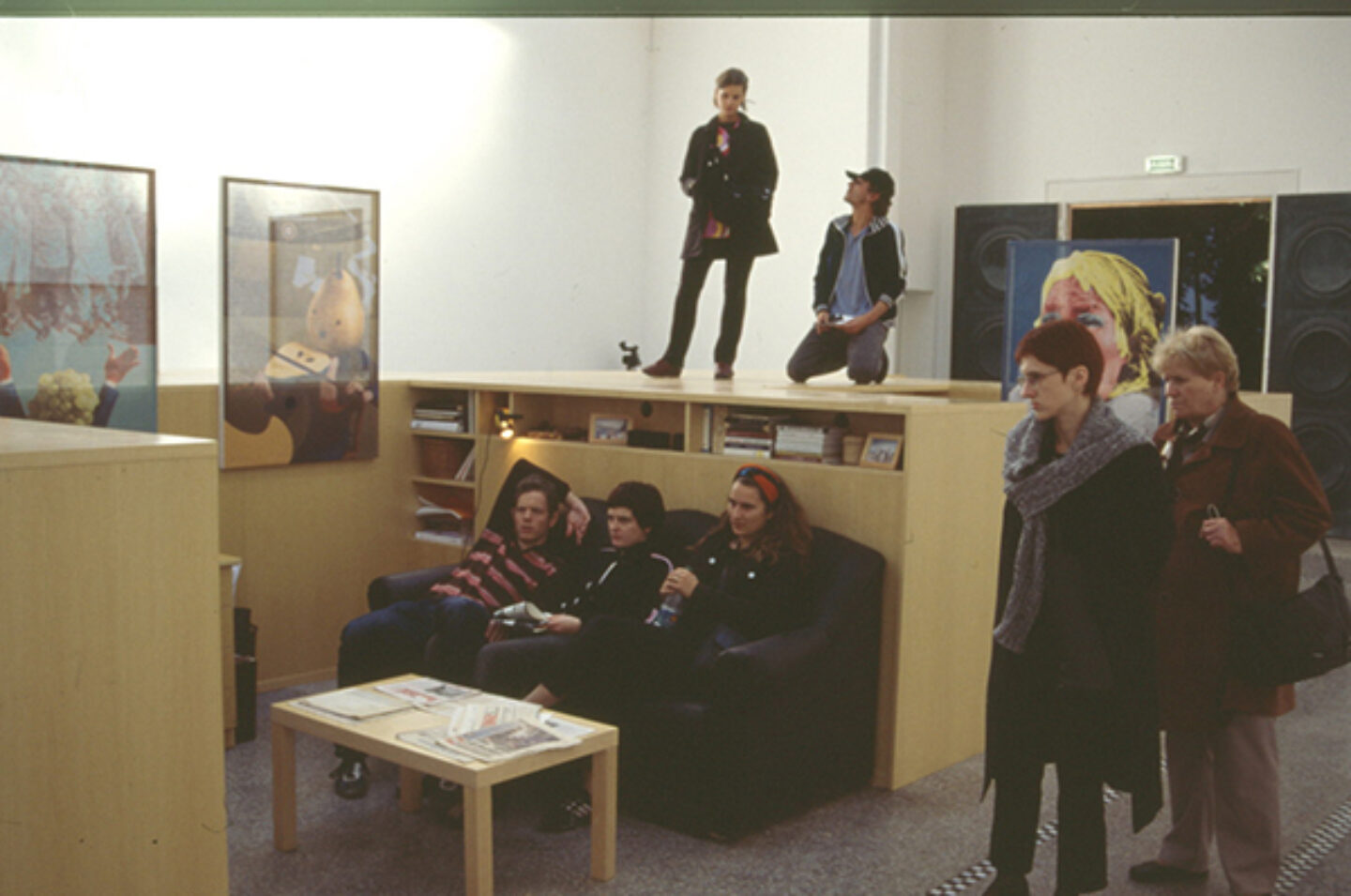
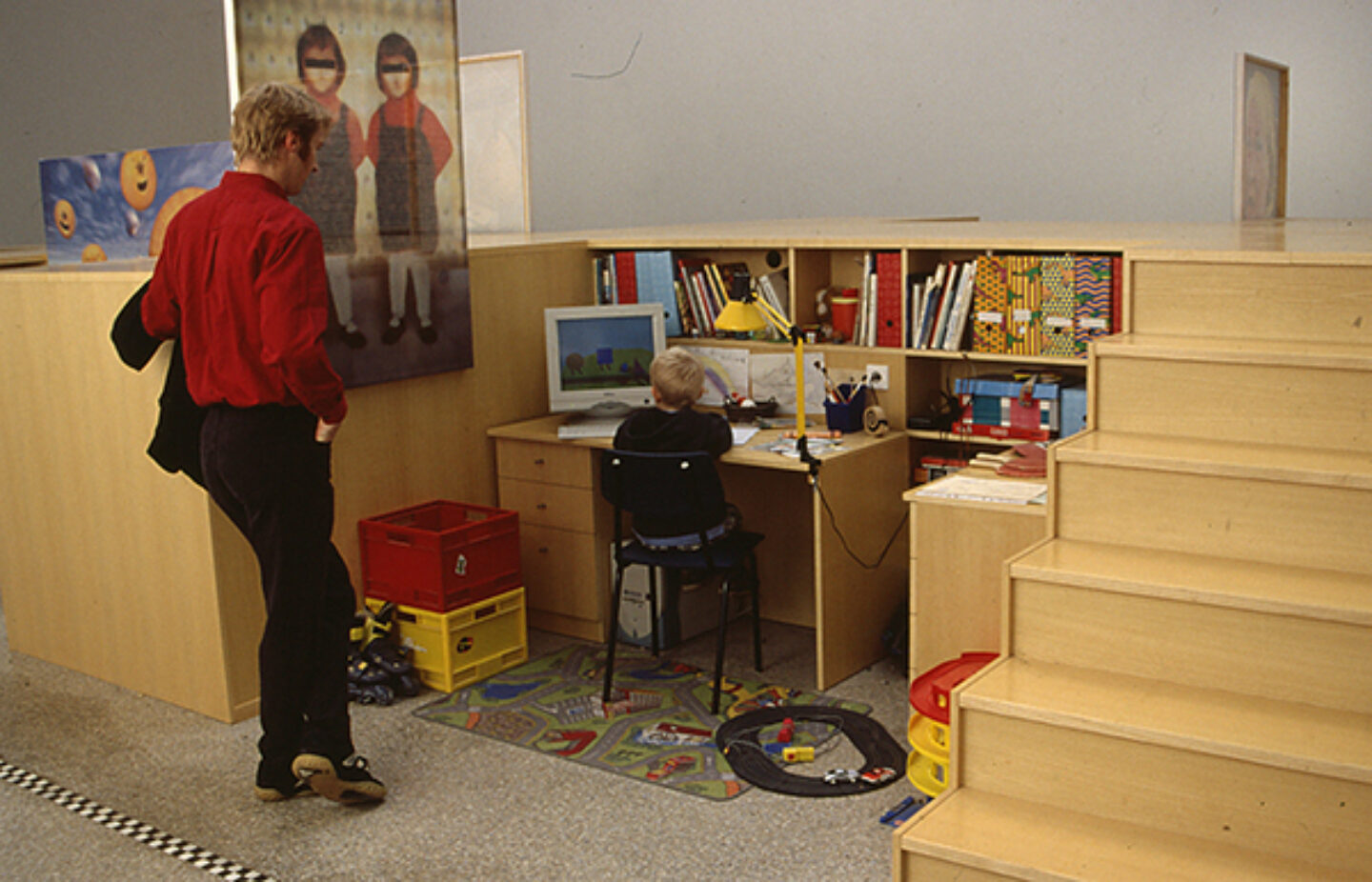
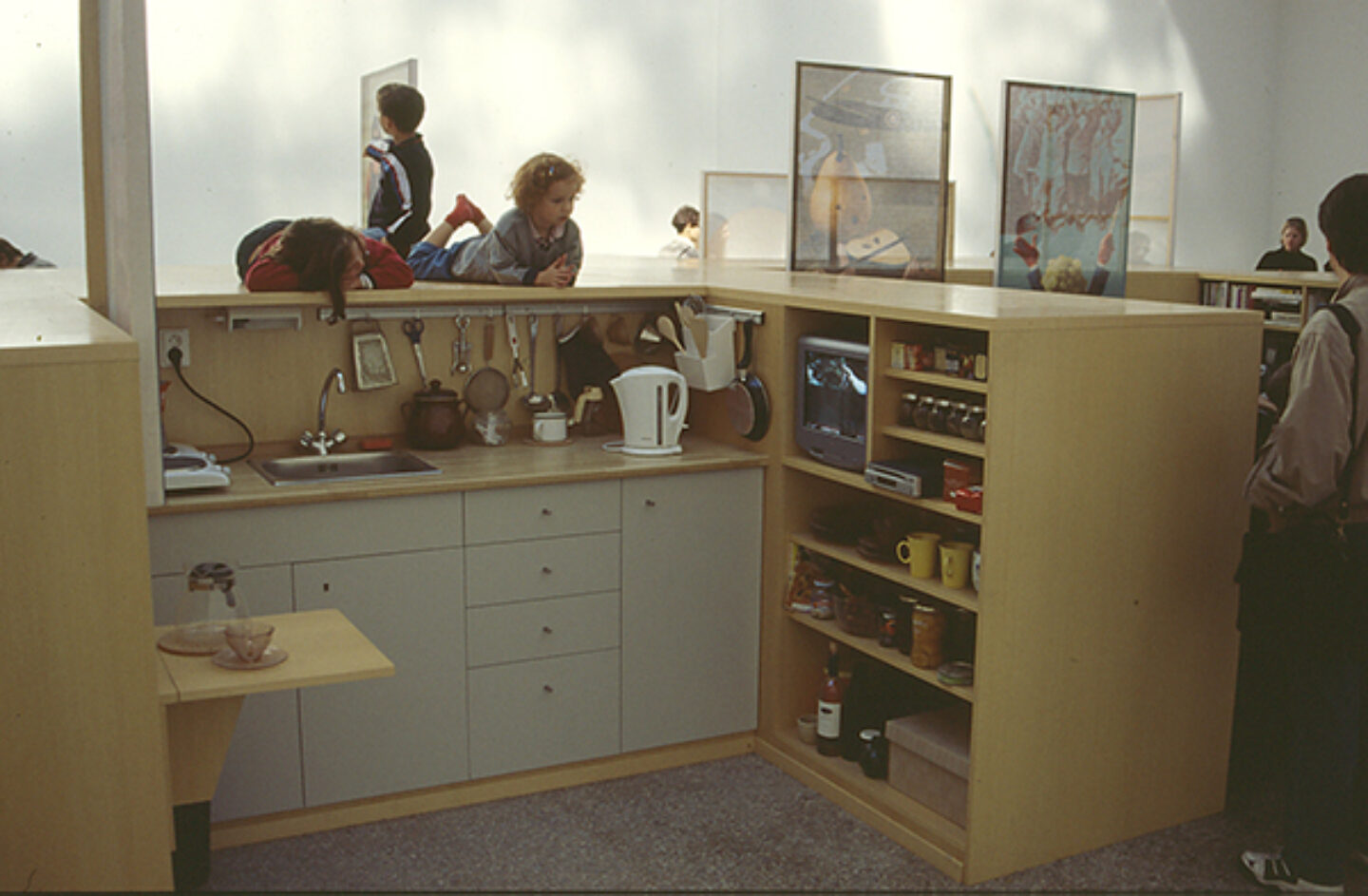
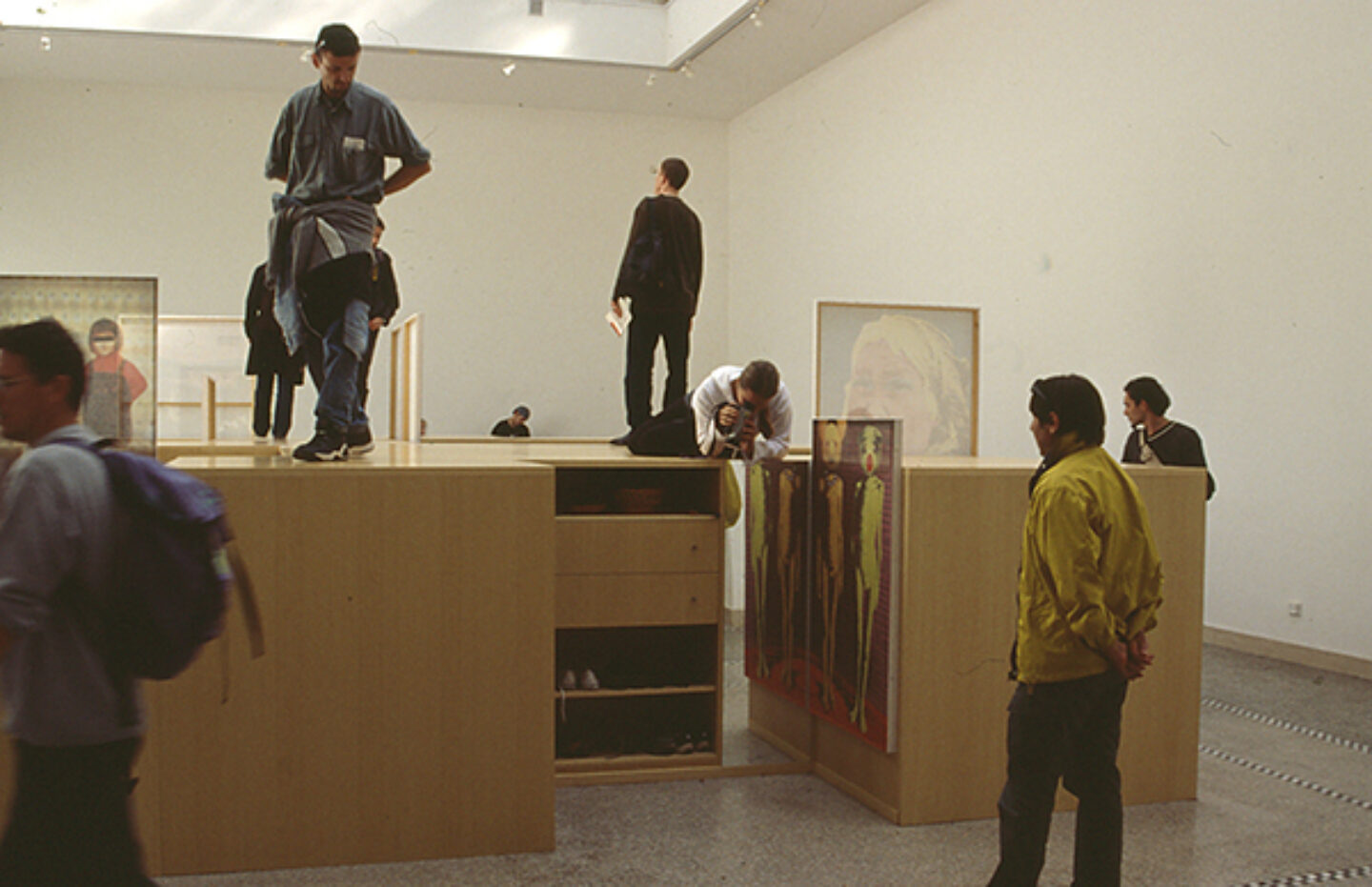
Ilona Németh created a multimedia installation for the 49th Biennalle, titled “Invitation for a visit,” in collaboration with Czech artist Jiří Suruvka. She made her home and privacy an art medium – she installed her Slovakian apartment, while accepting the architectonic disposition of the Czech and Slovak pavilion.

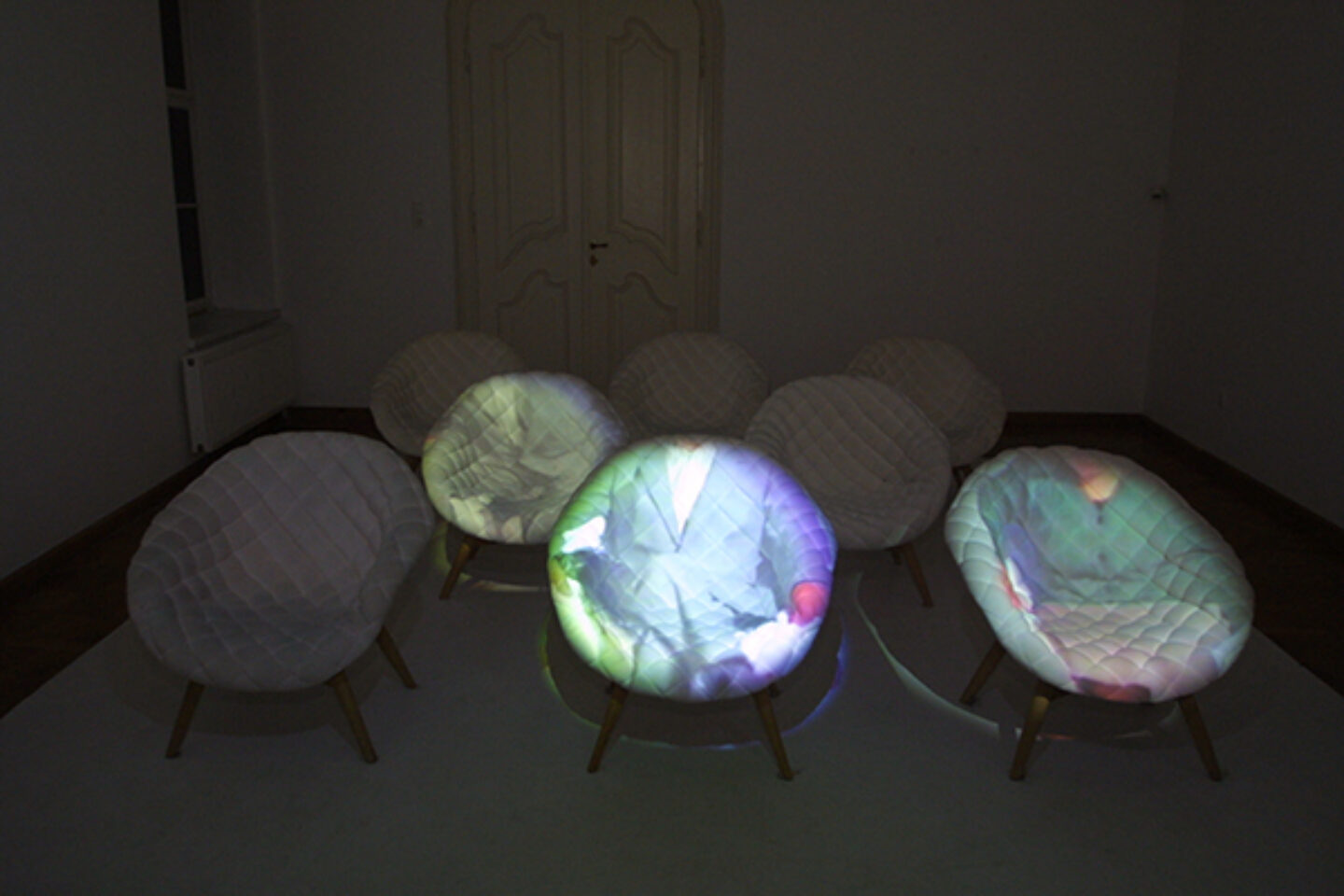
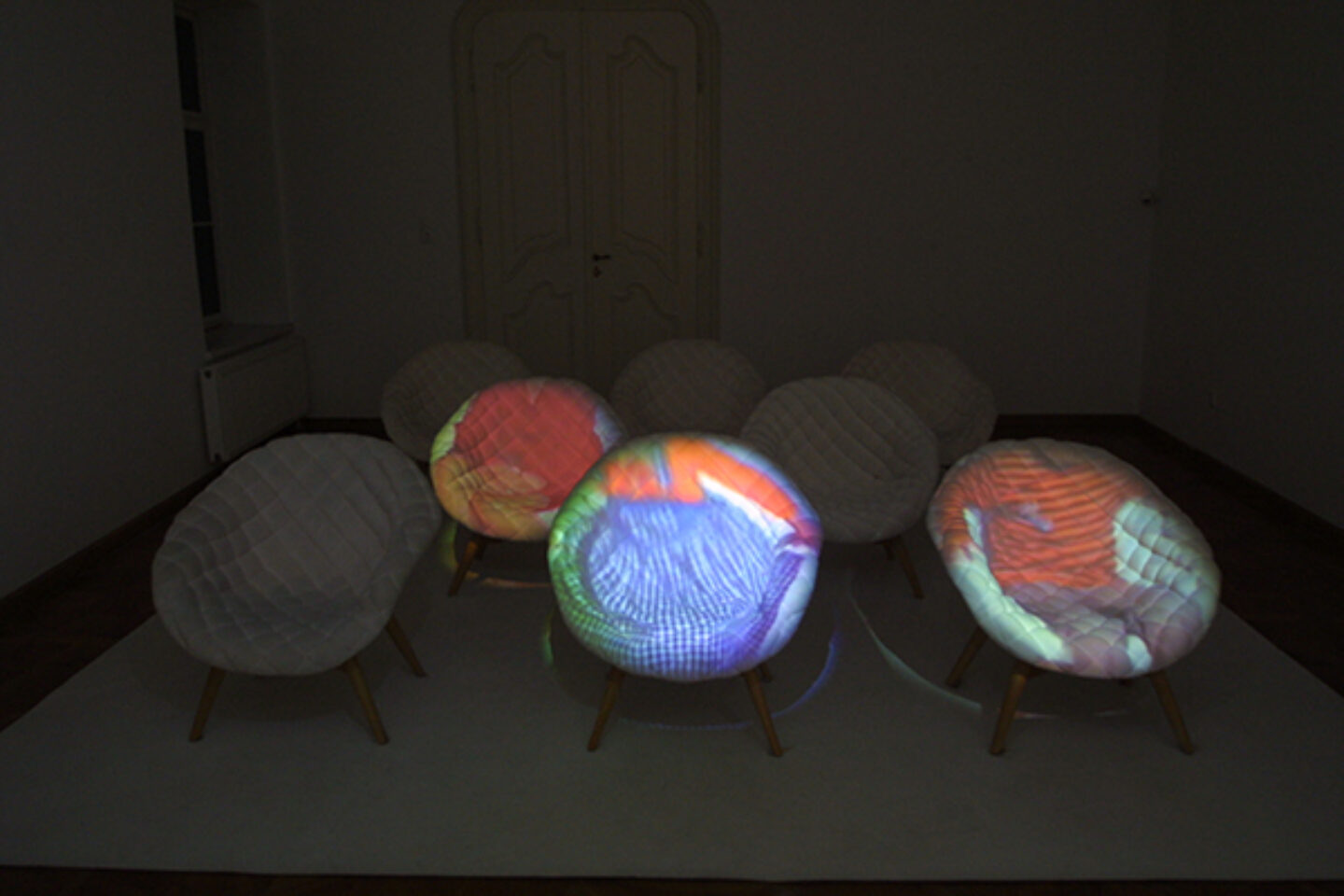
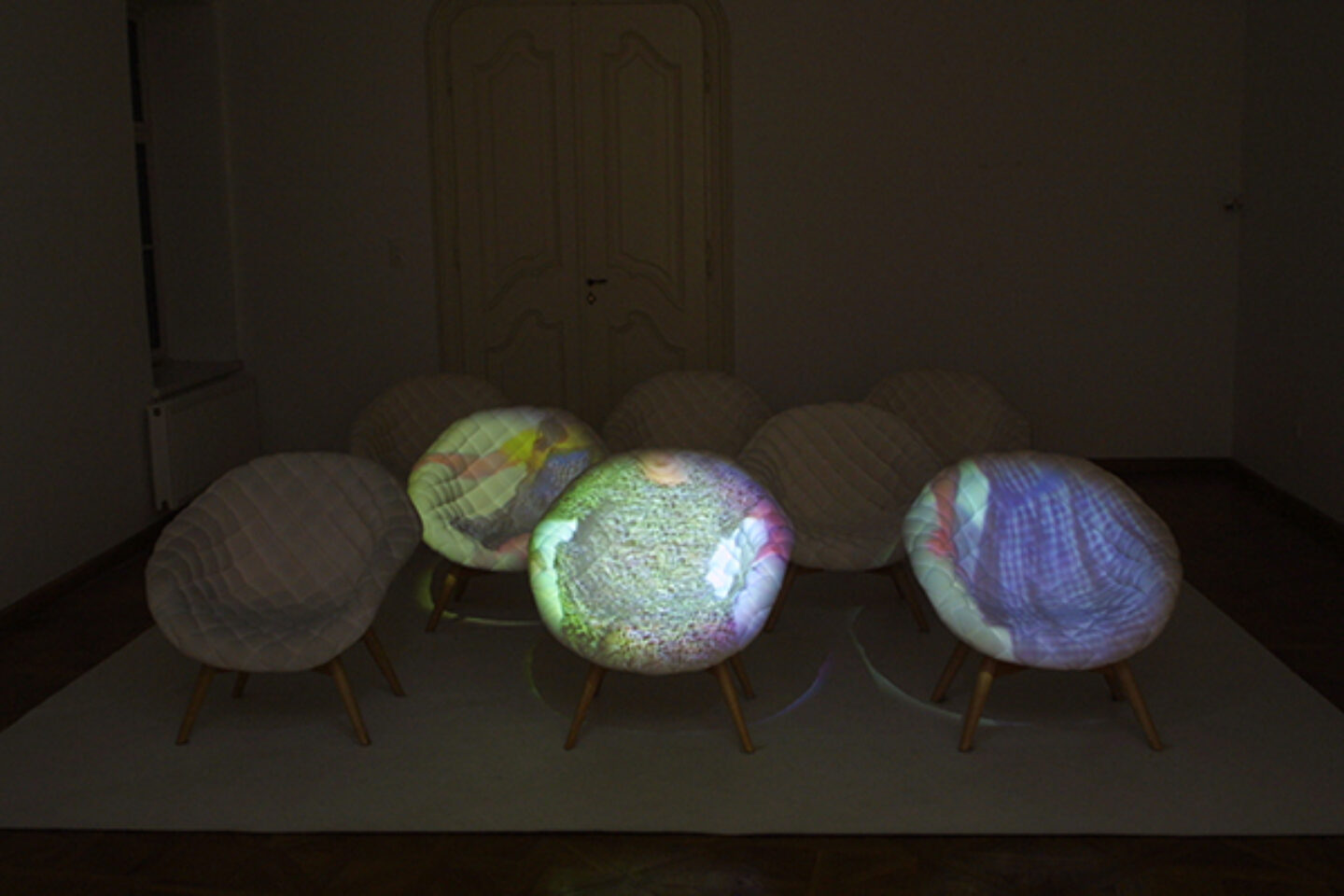
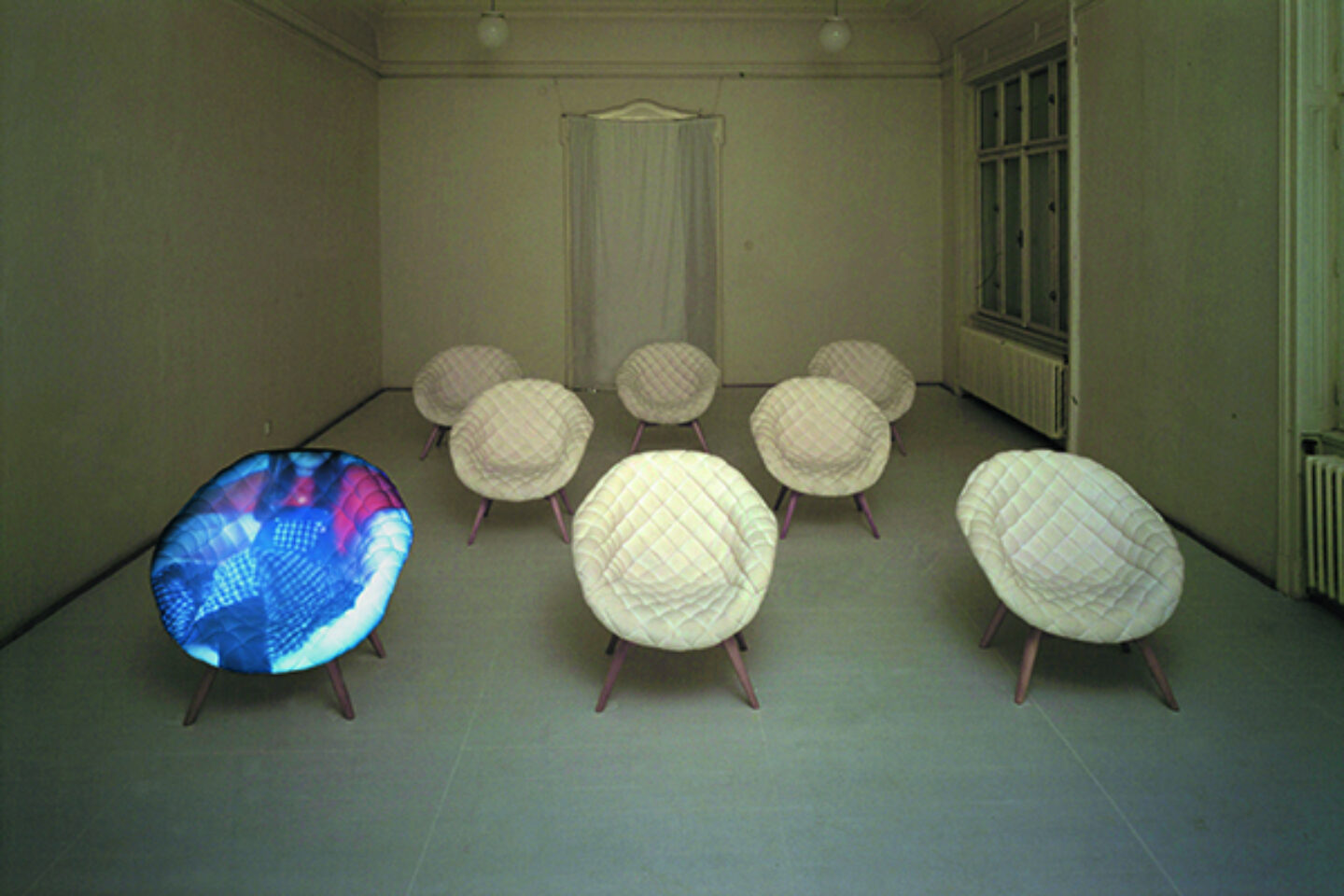
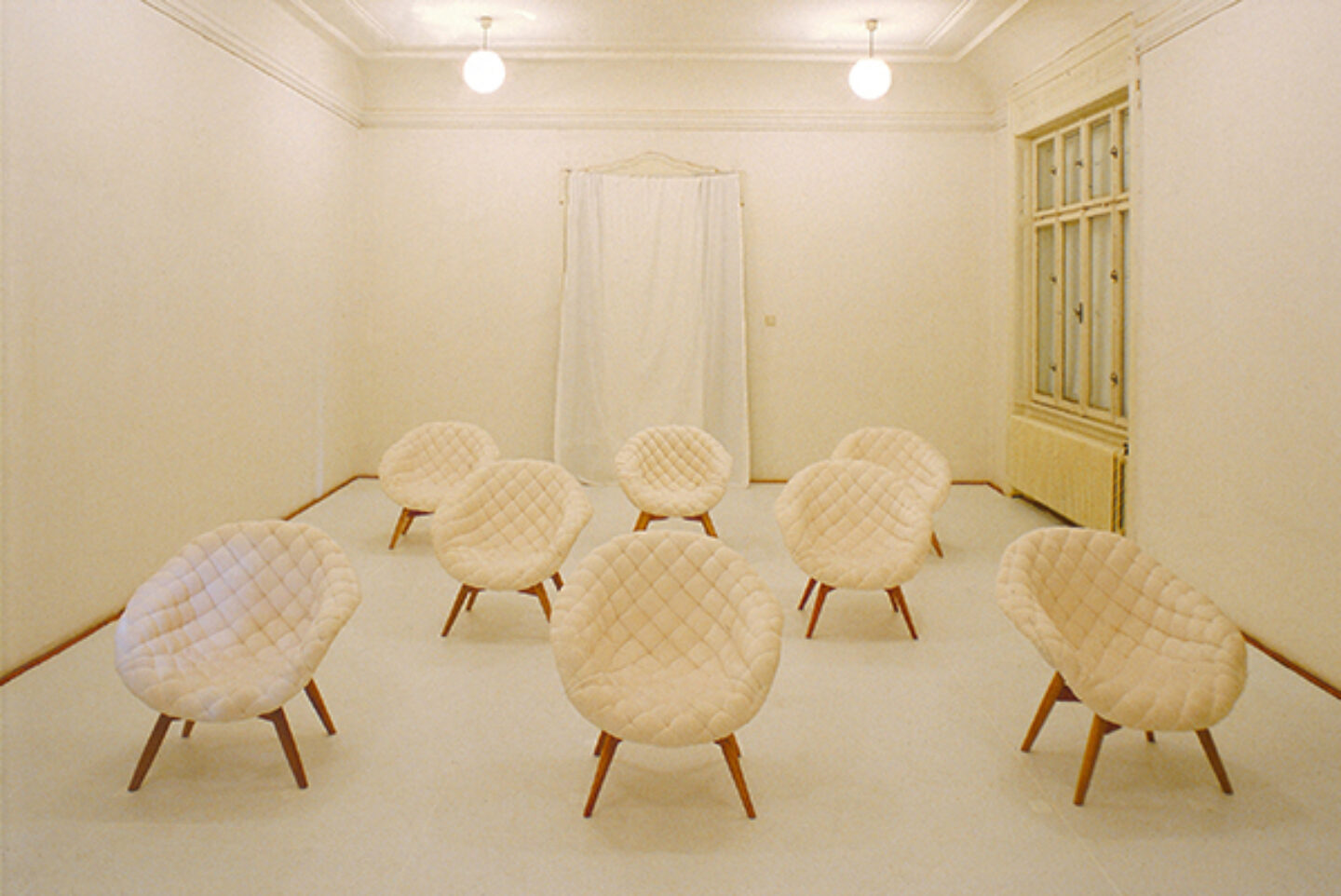
Armchairs

Armchairs, 2000
In cooperation with Csaba Czibula
Video installation

90 x 400 x 400 cm
8 x armchairs, video projection
Property of the Galéria mesta Bratislavy, Bratislava
Photos by Martin Marenčin

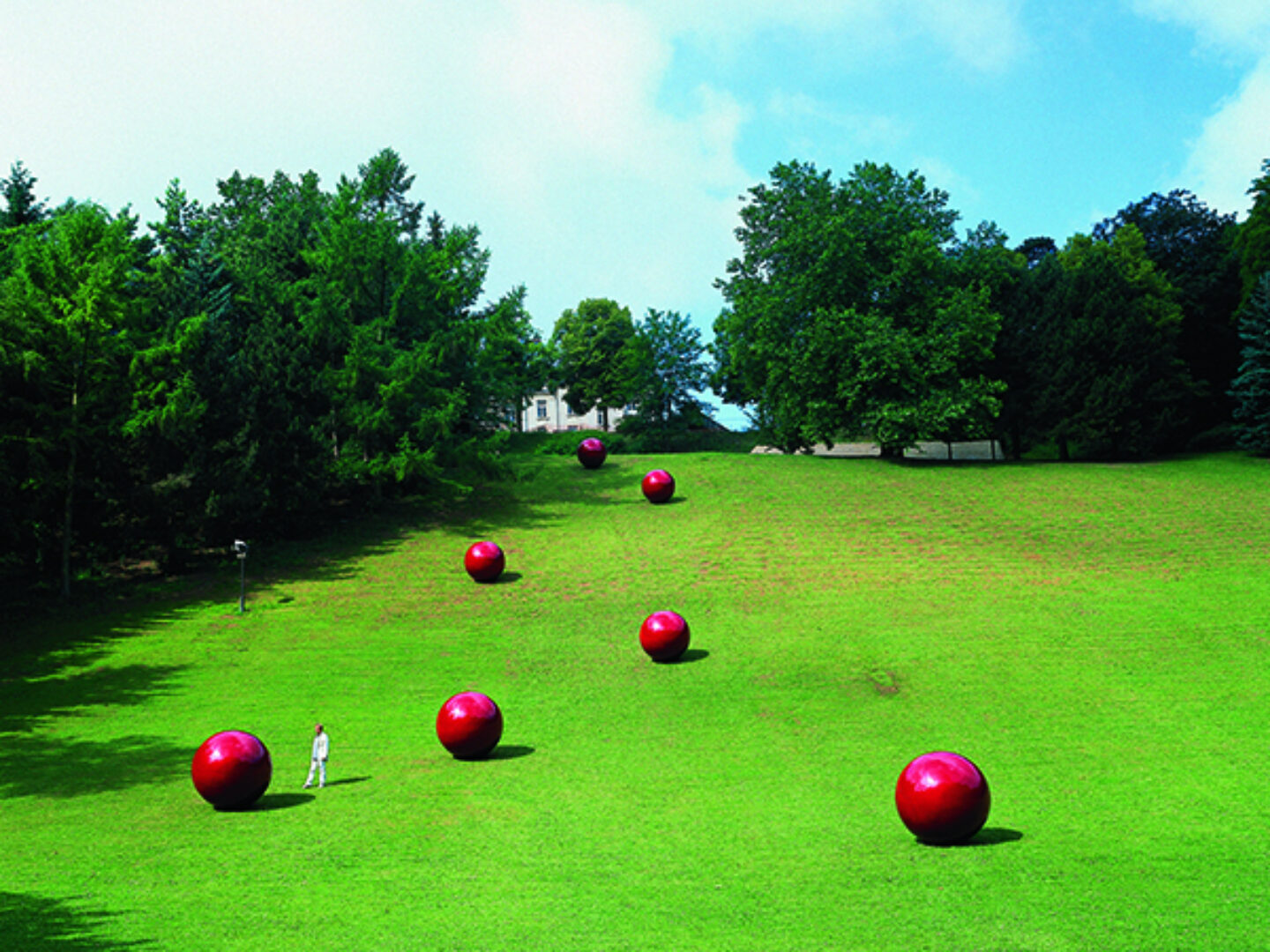
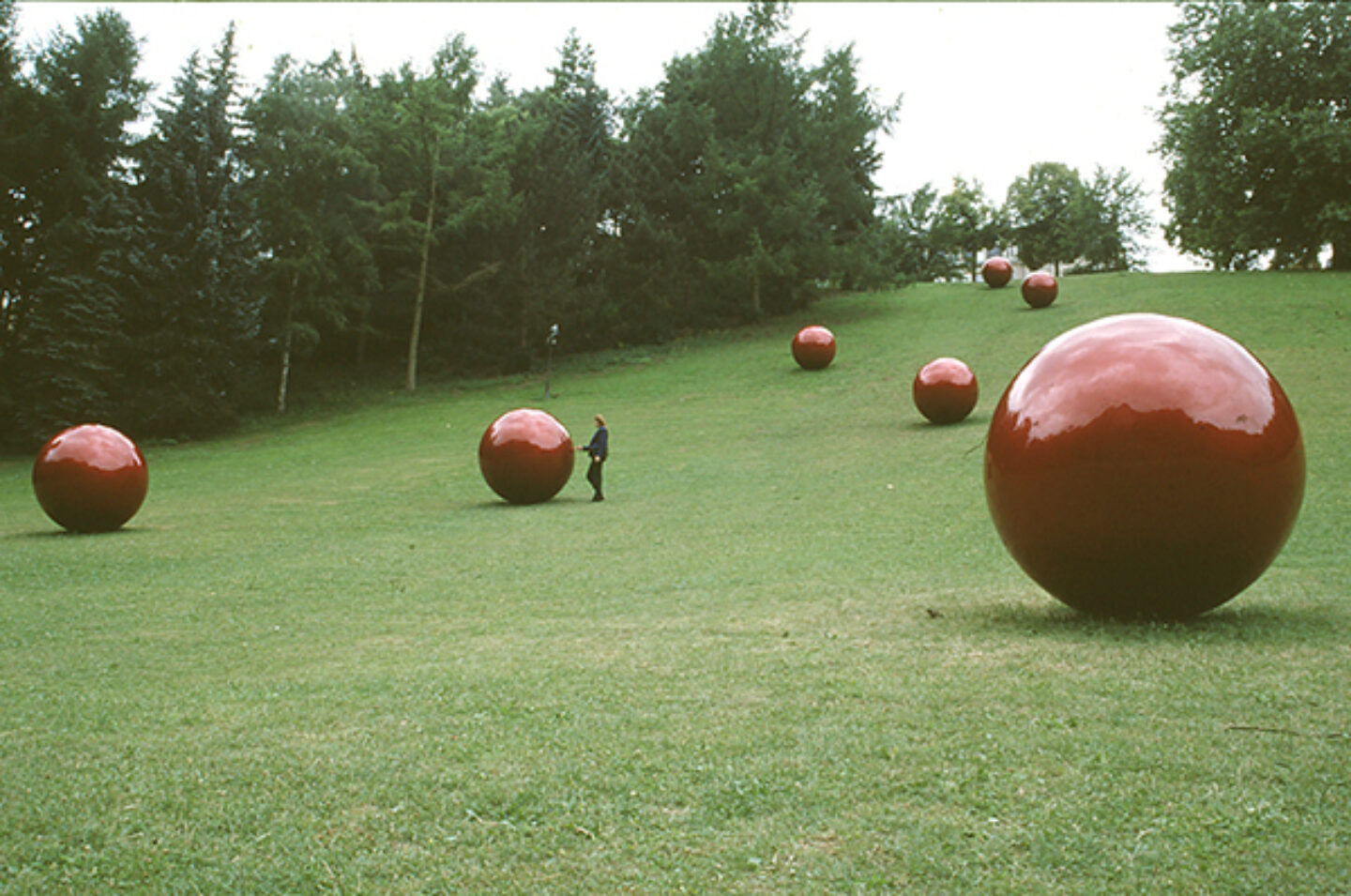
Balls

Balls, 2001
Object

7 balls (200 cm in diameter)
Polyester
Location: Luxembourg (selected by Casino Luxembourg)
Photos by Marián Ravasz

Code

Code, 2002
Interactive sound installation

400 x 900 x 74 cm
Table, chairs, electronics
Location: The Municipal Museum of Art, Győr, Hungary
Photos by Tibor Somogyi

Running the Gauntlet

Running the Gauntlet, 1994
Interactive installation

200 x 600 x 300 cm
Iron stands, branches, electronics
Property of the Galéria mesta Bratislavy, Bratislava
Photos by Martin Marenčin

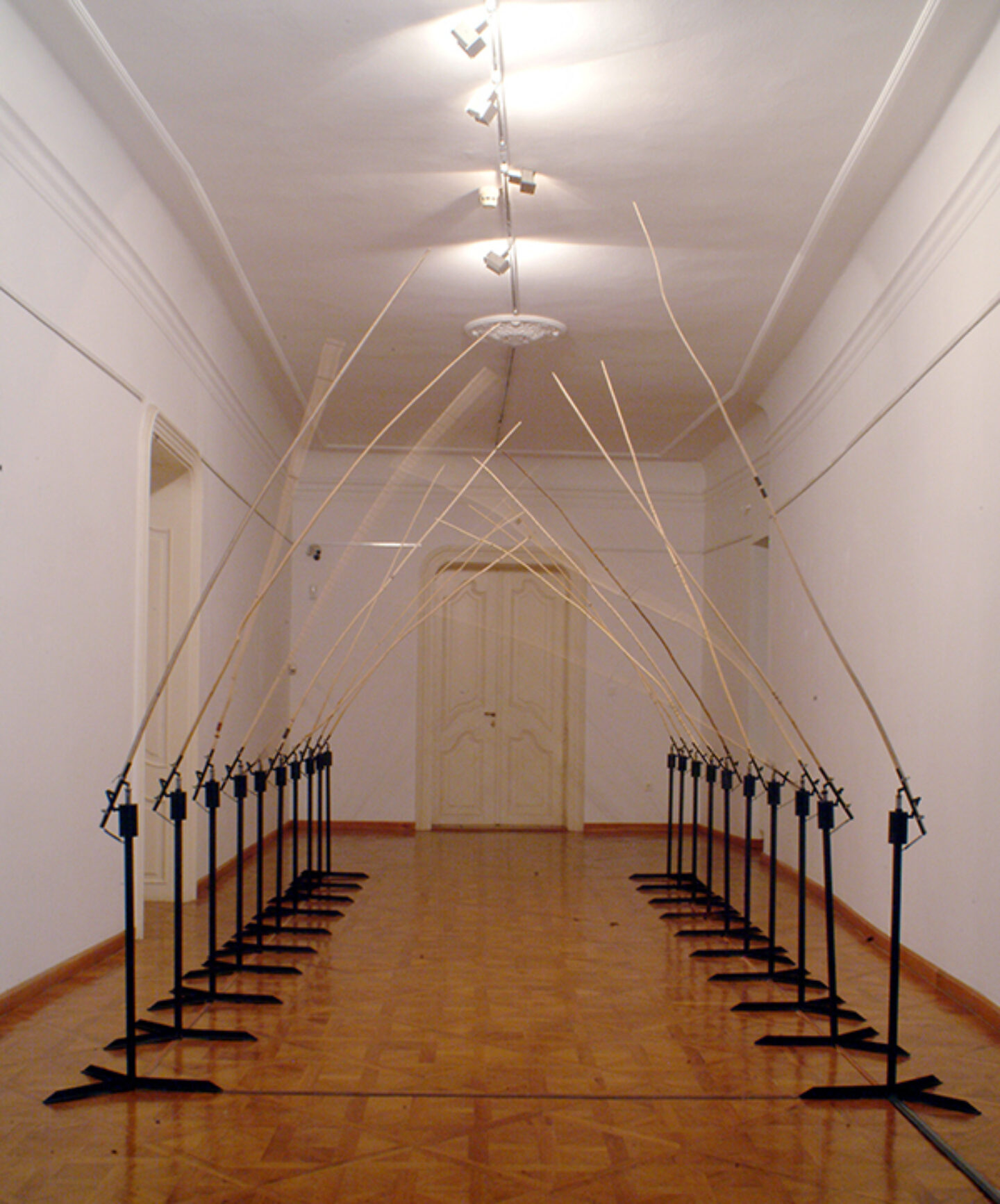
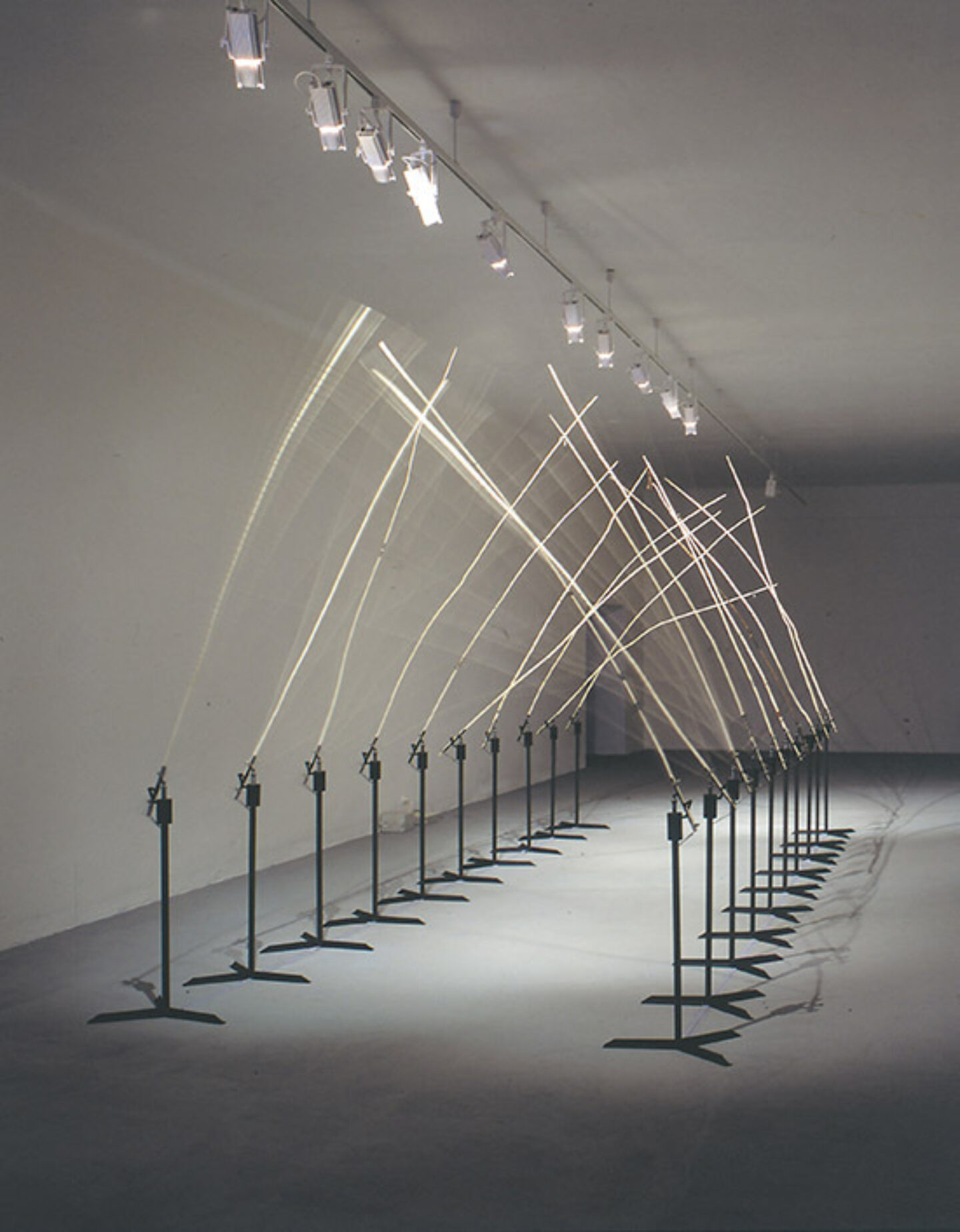
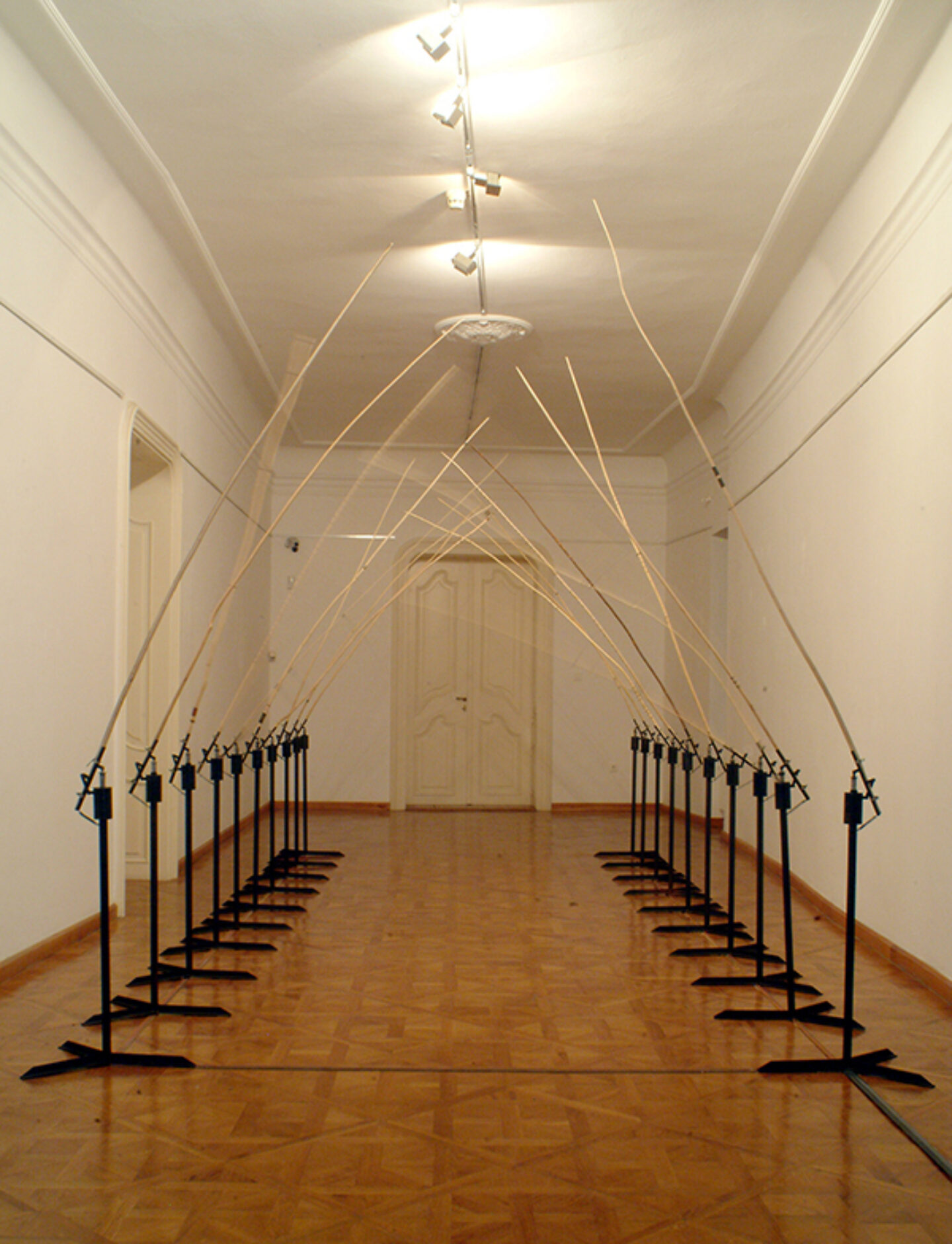
In the first part of the nineties I have mainly worked with natural materials and ready-mades. The installation Running The Gauntlet, 1994, was the first work where I used electronics to make a mobile interactive installation. This piece was followed by numerous more, where the possibilities of interactivity were explored and cooperation was made with technicians, who helped me out in realizing my ideas.

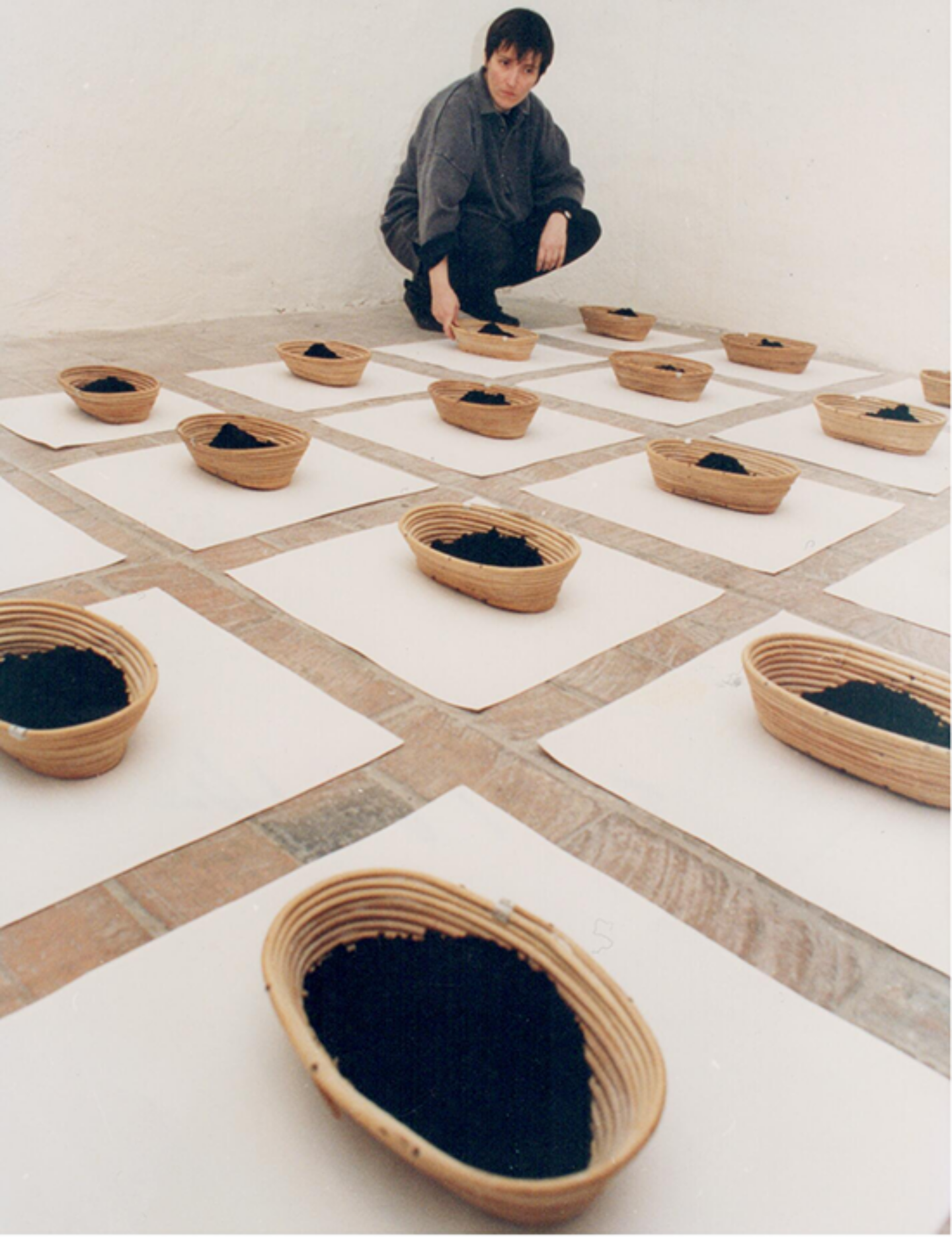
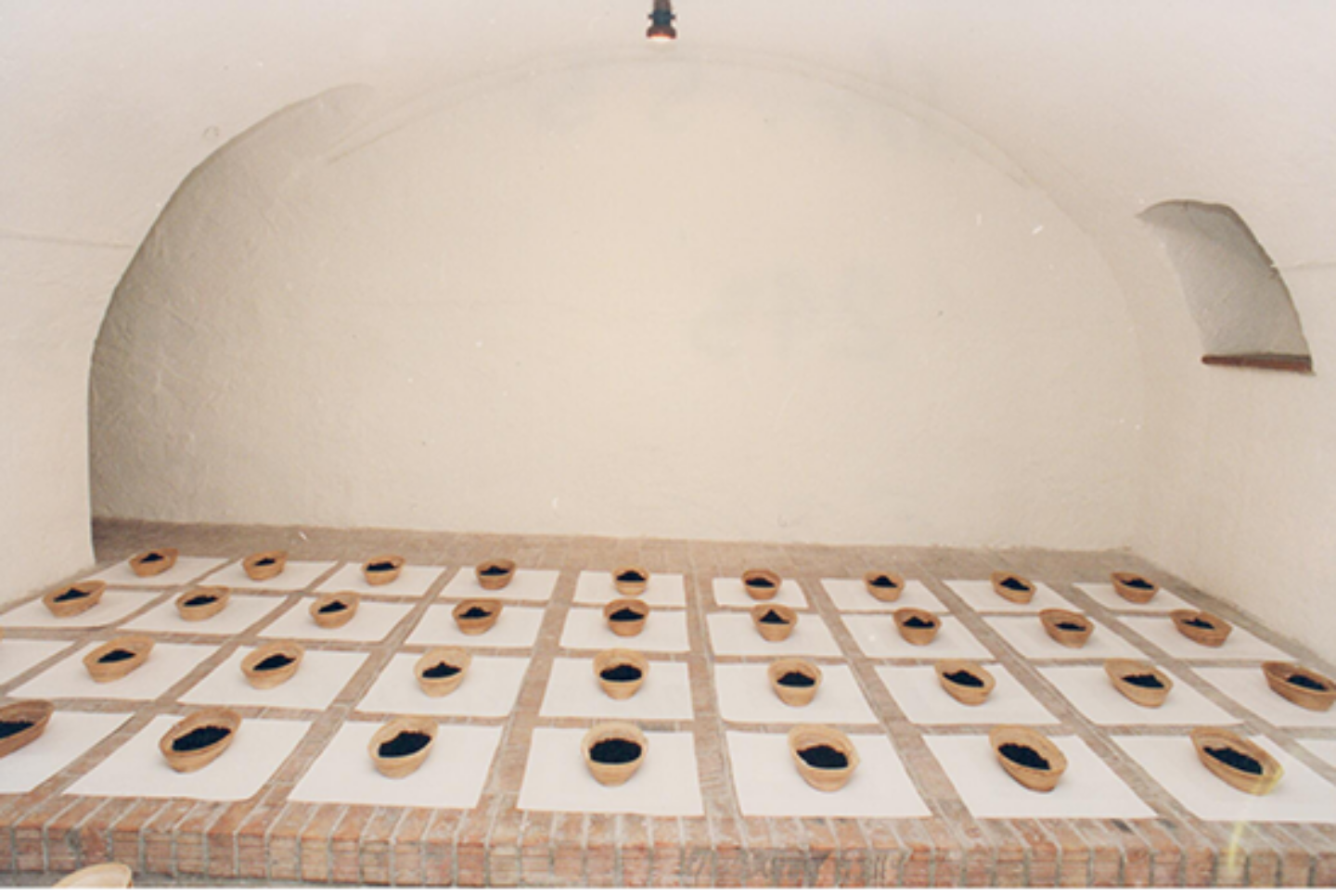
Untitled

Untitled, 1994
Installation

Baskets, soil, textile
Location: Társaskör Gallery, Budapest, Hungary

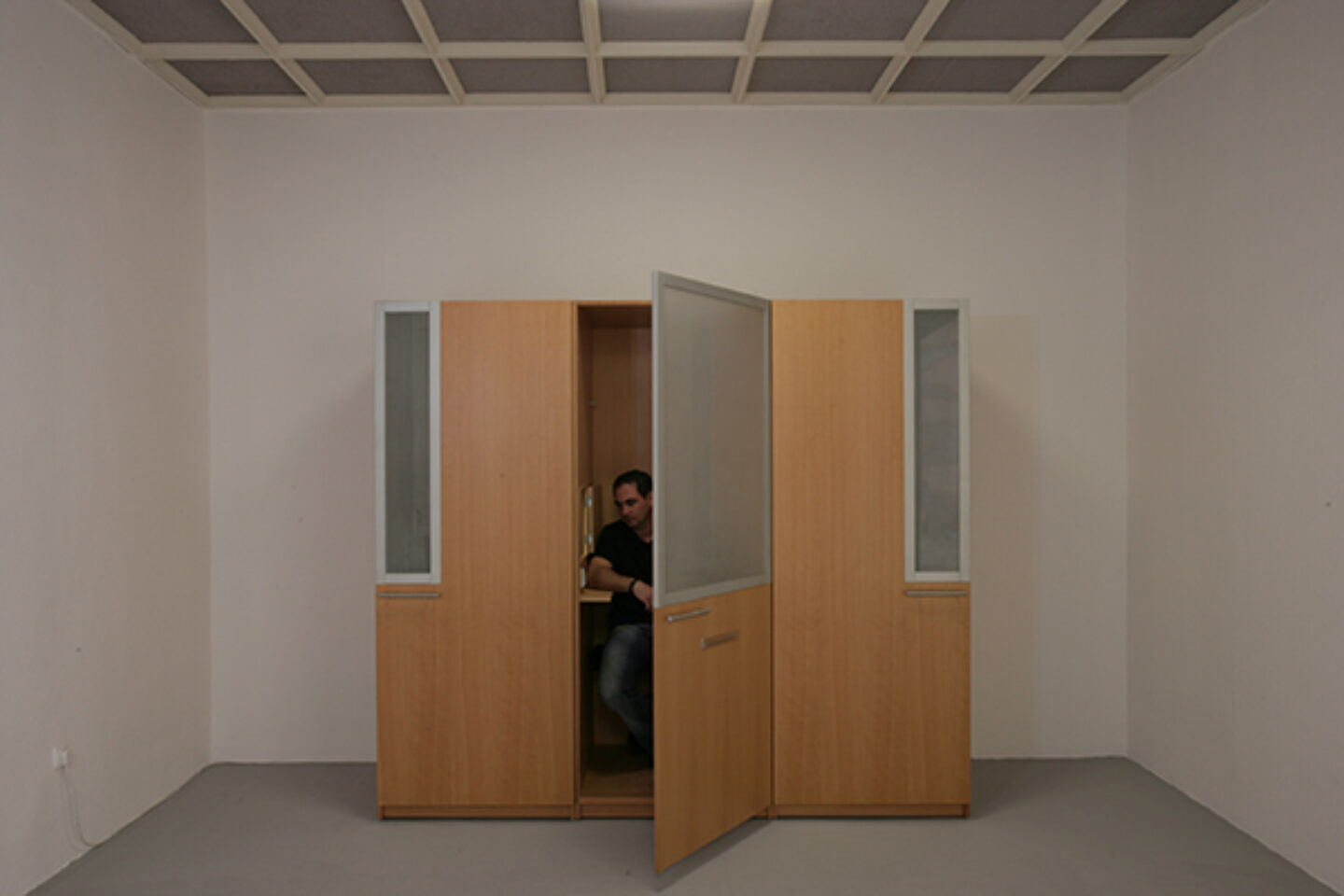
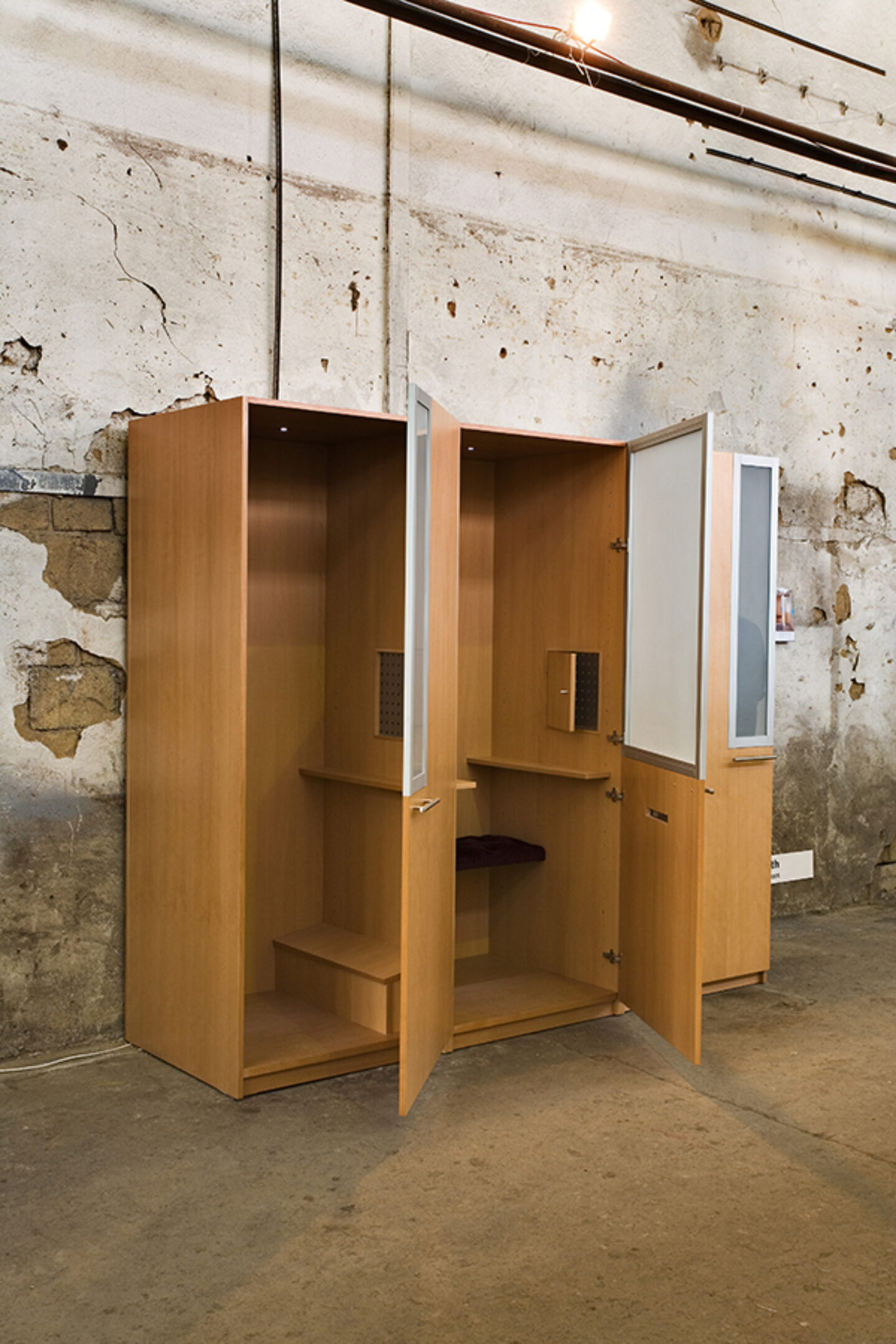
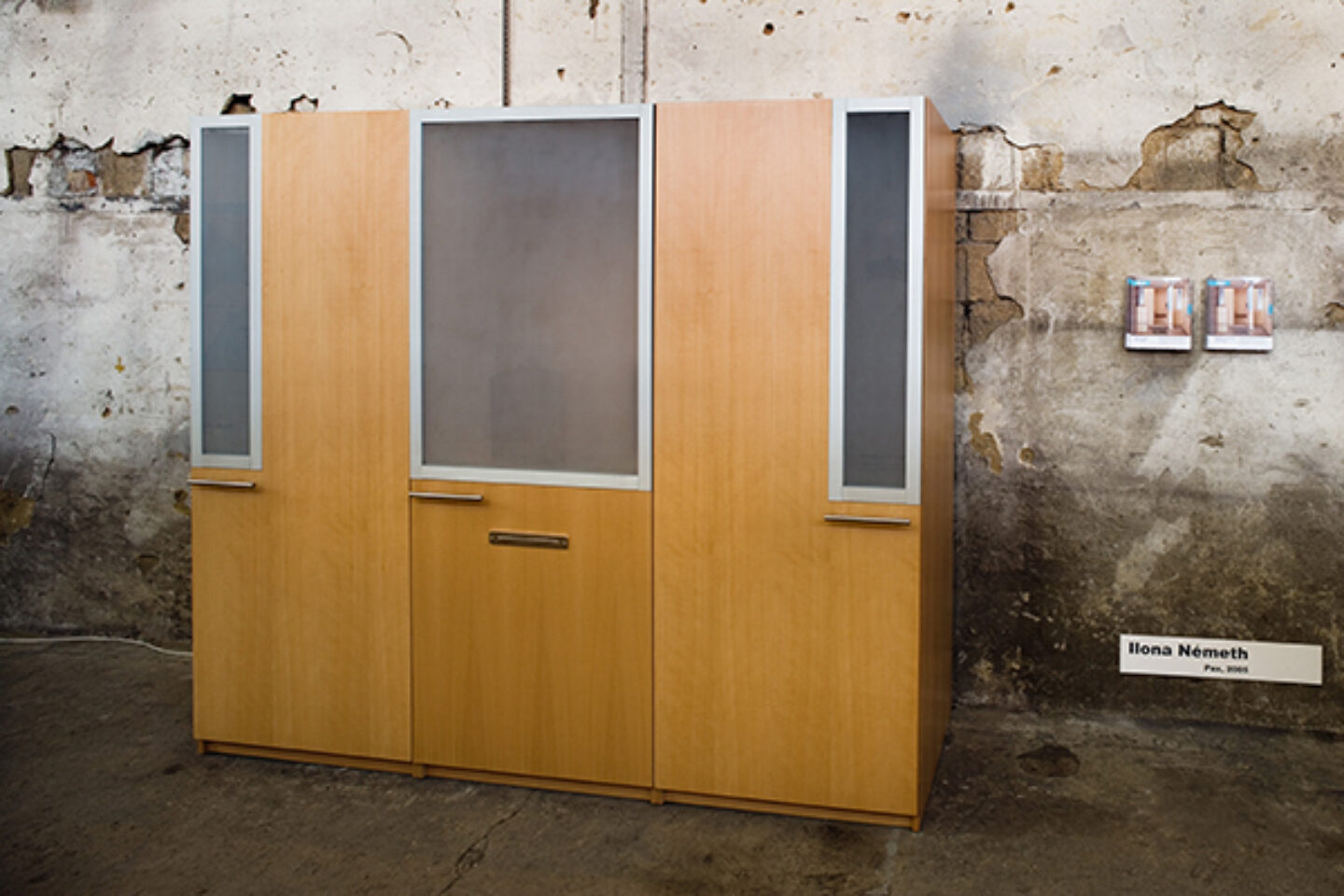
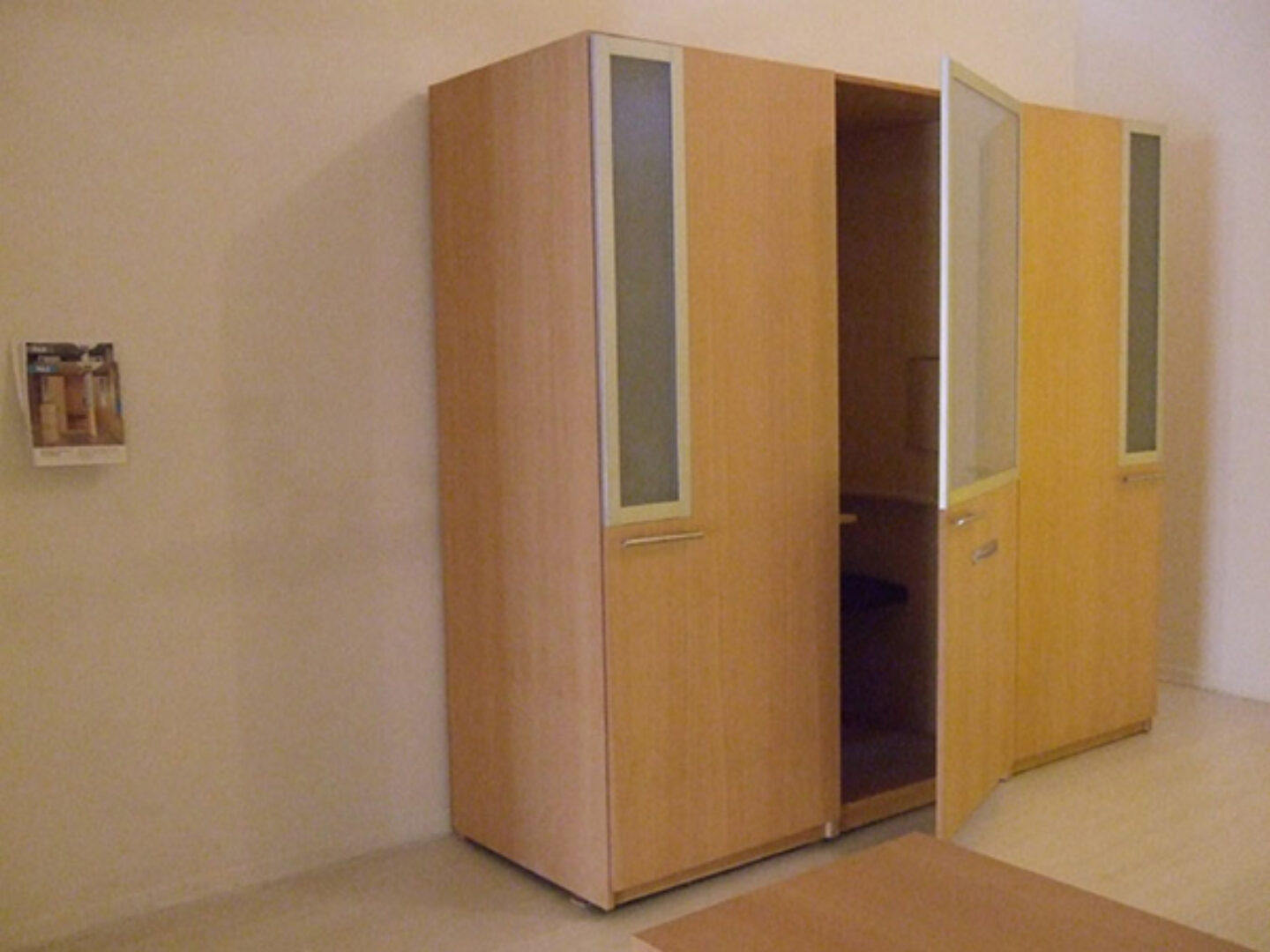
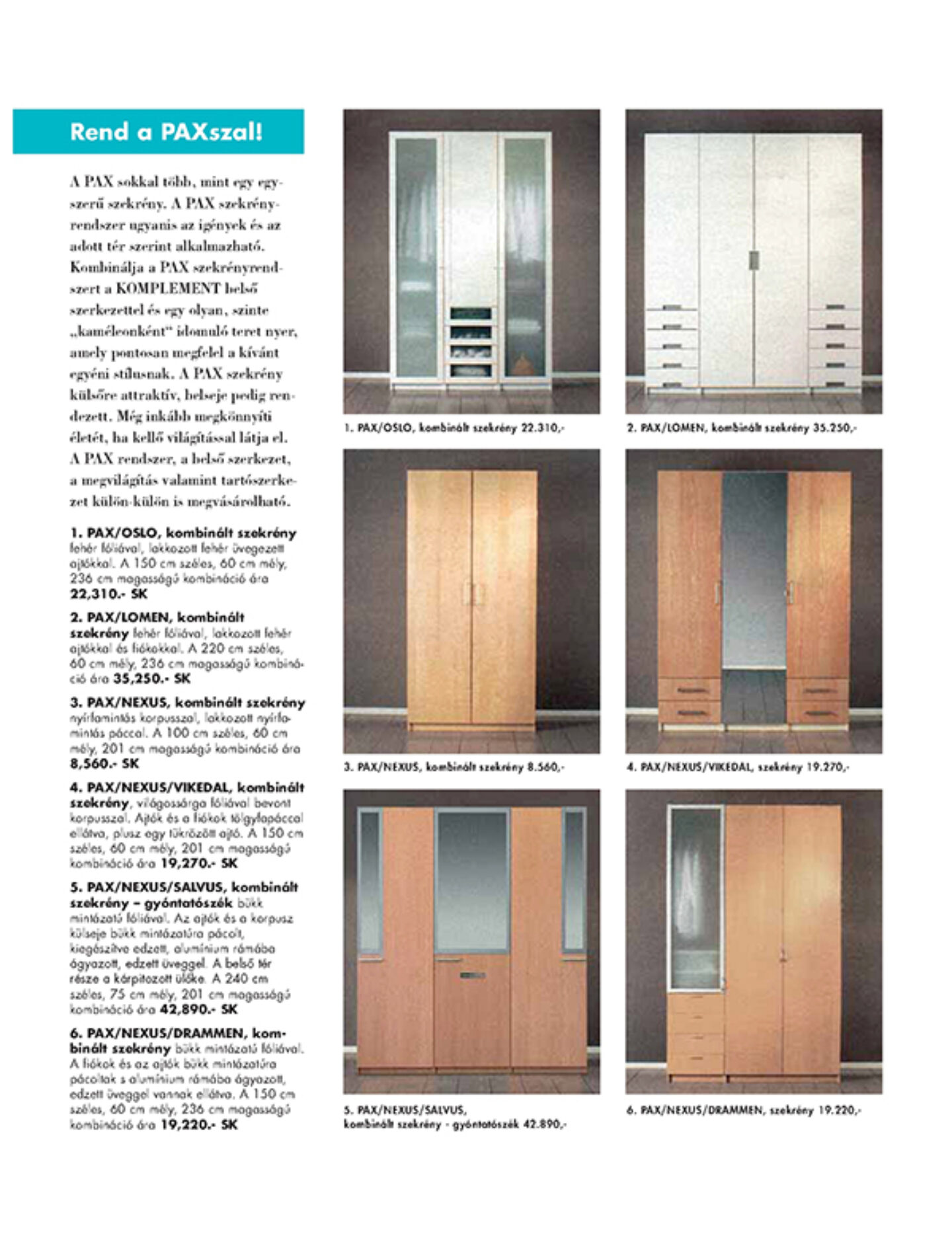
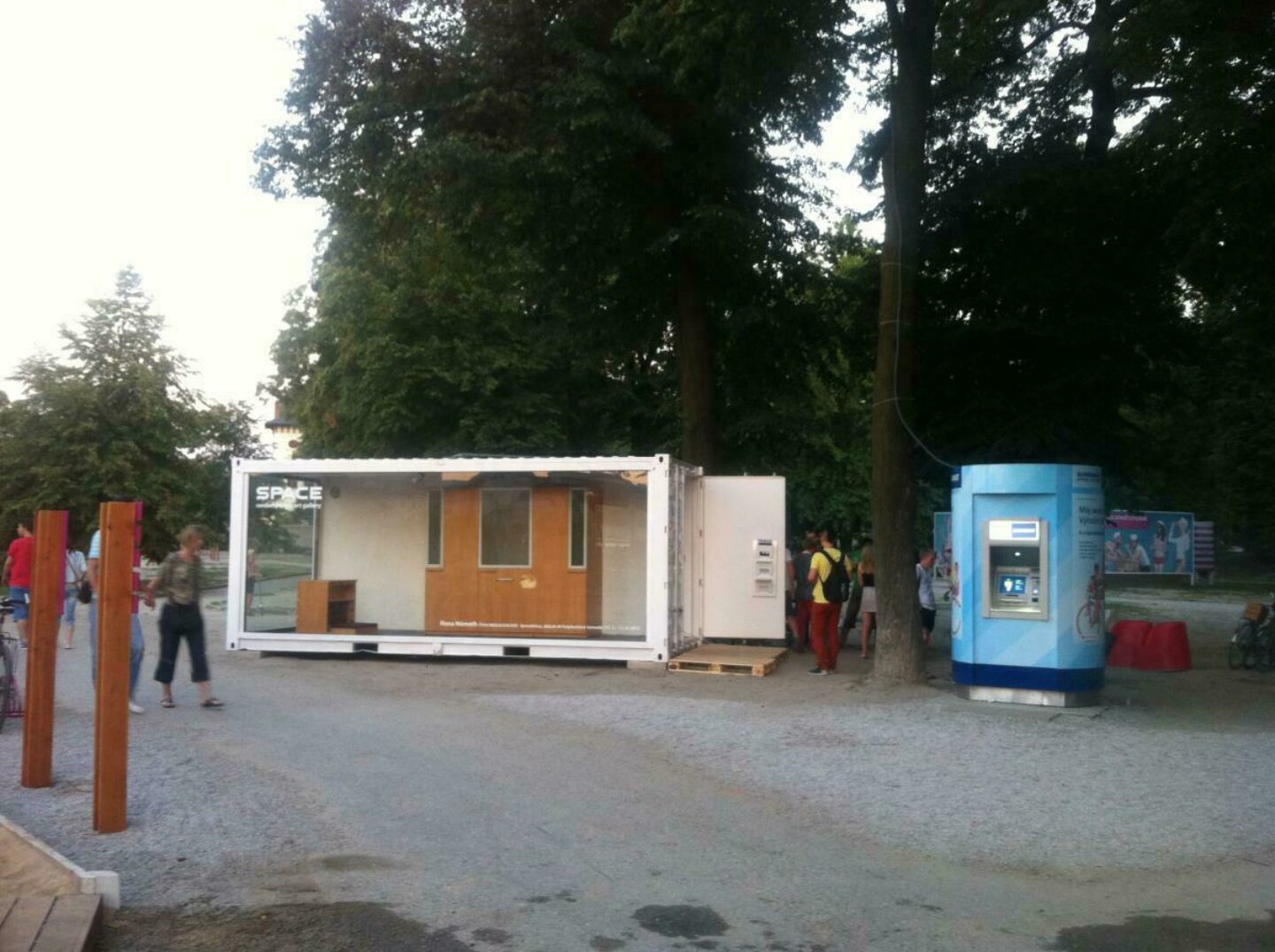
Pax Nexus Salvus

Pax Nexus Salvus, 2005
In cooperation with Marián Ravasz
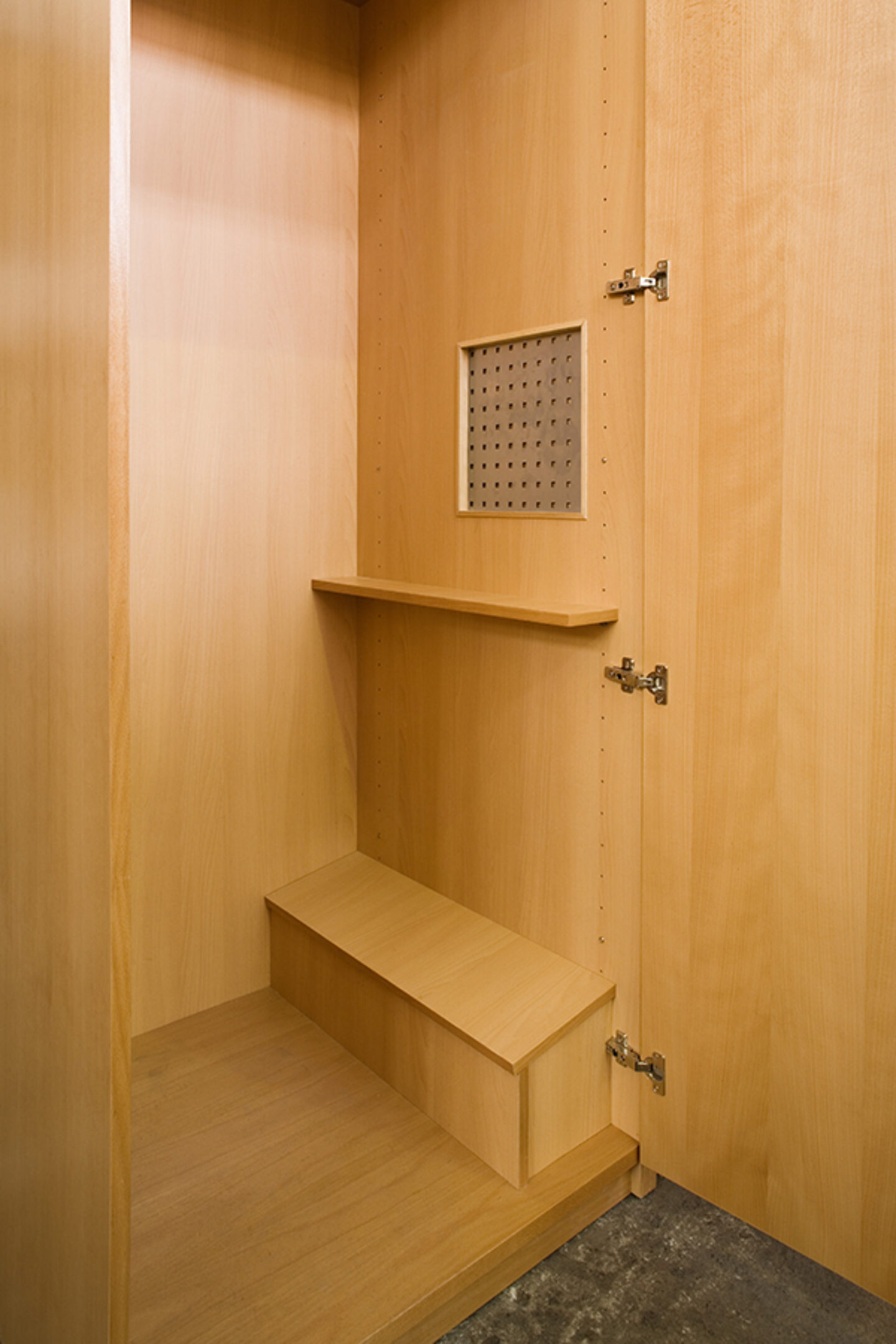
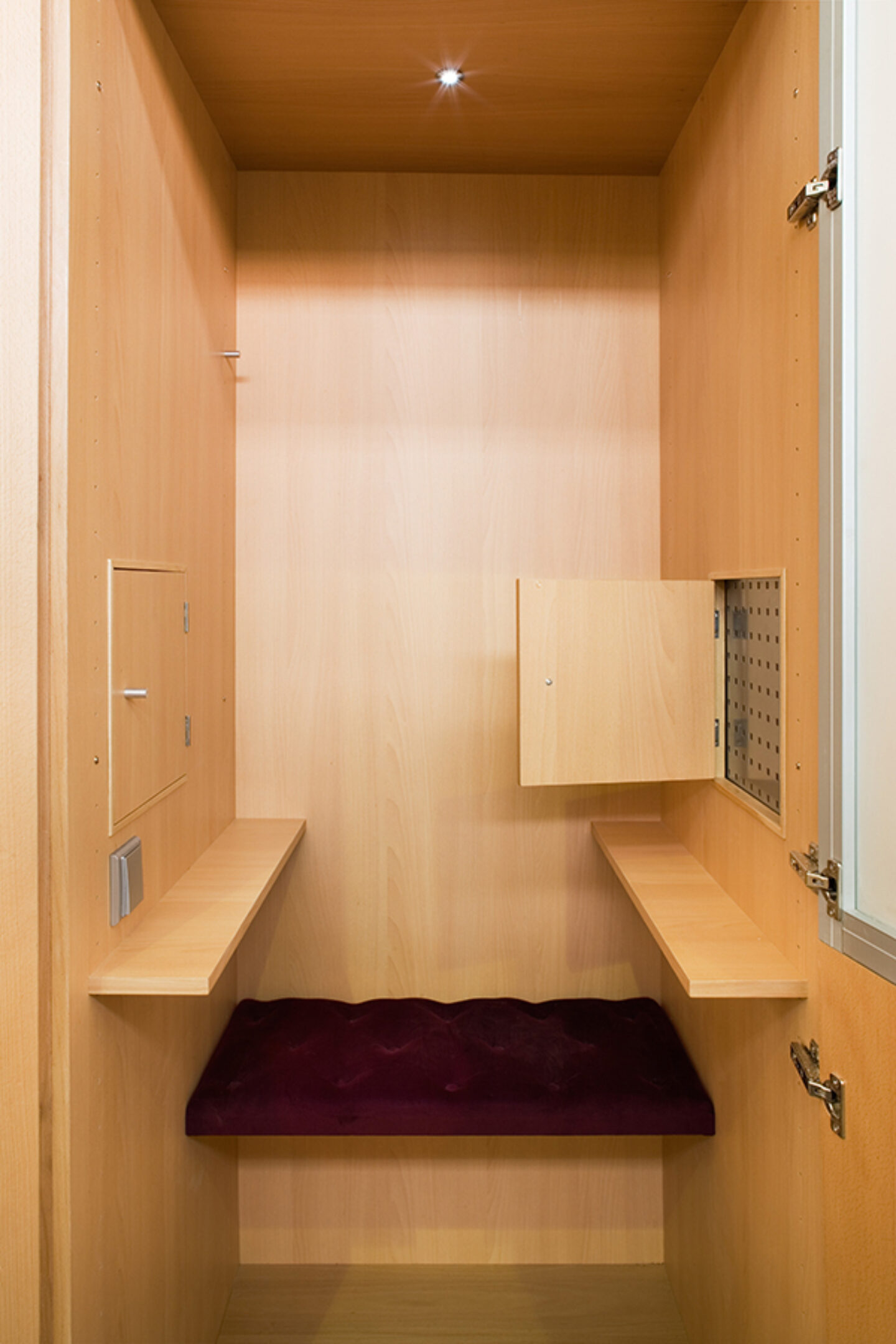
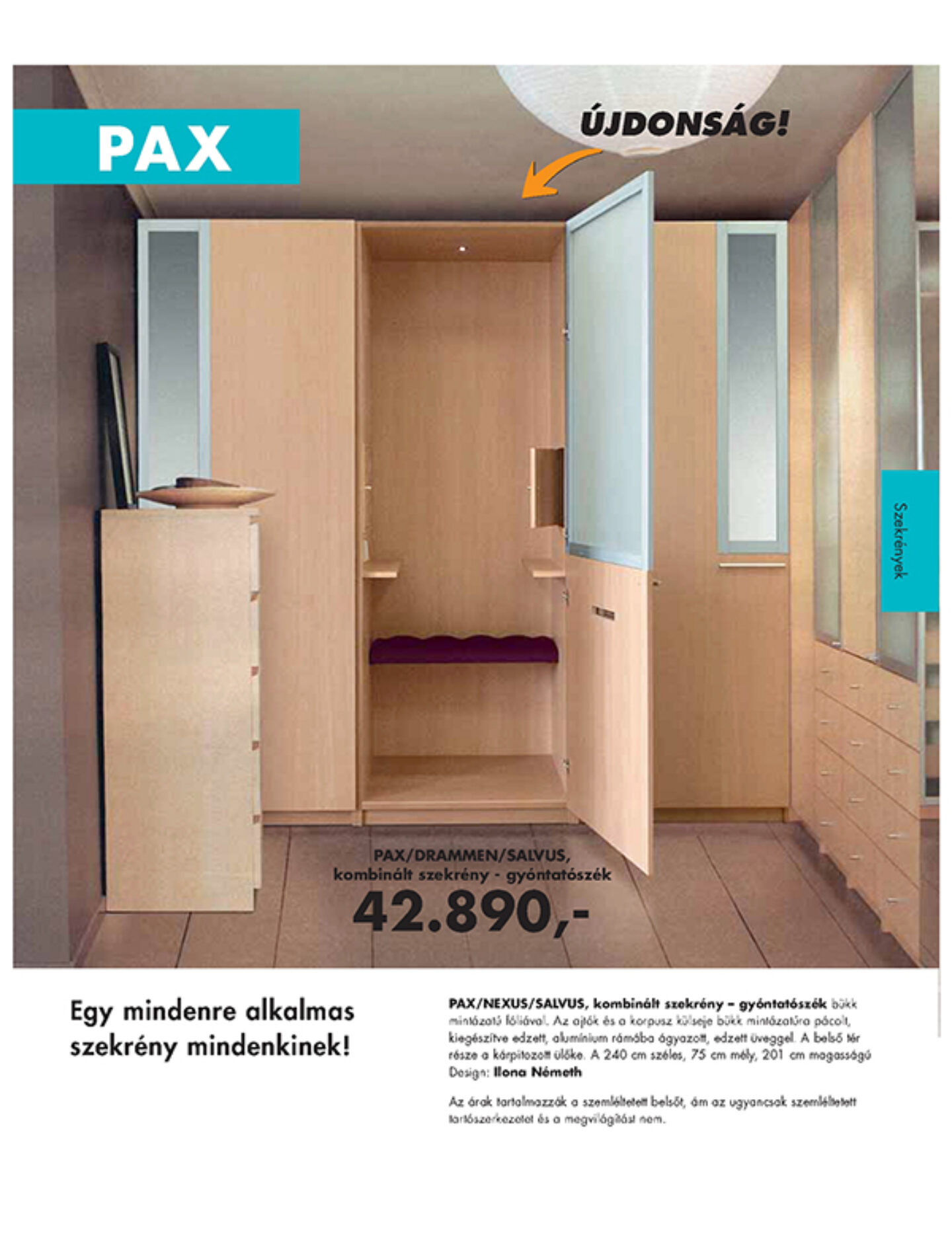
Wardrobe combination – confessional, leaflet

240 x 201 x 75 cm
Furniture panel, aluminium, glass, upholstery, electronics
Photos by Lajos Kalmár (2005), Martin Polák (2007)

“PAX is a lot more than just a simple wardrobe. The PAX wardrobe system can be adjusted to your needs and your space available. Complete the PAX wardrobe system with KOMPLEMENT interior fittings and you get the „chameleon” space that would exactly suit your personal style. The exterior of PAX wardrobe is attractive, and its interior is well arranged. Installing adequate lights into your wardrobe would make your life even easier. Interior fittings, lights, knobs or handles of the PAX system are sold separately.” (leaflet)